There`s not anything worse than moving into a chilly bathe or locating the laundry soaked in lukewarm water — specially while the wrongdoer is an getting older water heater. The massive query each house owner in the end faces is: When to replace a water heater? Replacing on the proper time saves money, avoids damage, and restores comfort. At Hutchinson Heating and Air, we assist owners decide the perfect substitute moment — whether or not which means a replacement hot water tank or a complete tankless water heater replacement. This manual explains the symptoms and sign to replace water heater, substitute options, actual costs, and what to anticipate from expert installation. Read directly to make the best choice on your home.
Table of Contents
ToggleHow Long Should a Water Heater Last?
Before selecting substitute, recognize regular lifespans:
Conventional tank water warmers: 8–12 years (average).
Electric tank warmers: 10–15 years.
Tankless water warmers: 15–20+ years with right maintenance.
Heat-pump / hybrid units: 10–15 years.
Age is a essential component while answering while to replace water heater — in case your unit is drawing near those limits, start making plans a substitute although it nonetheless functions.
Top Signs to Replace Water Heater
Here are the maximum dependable symptoms and sign to replace water heater — look ahead to any of the following:
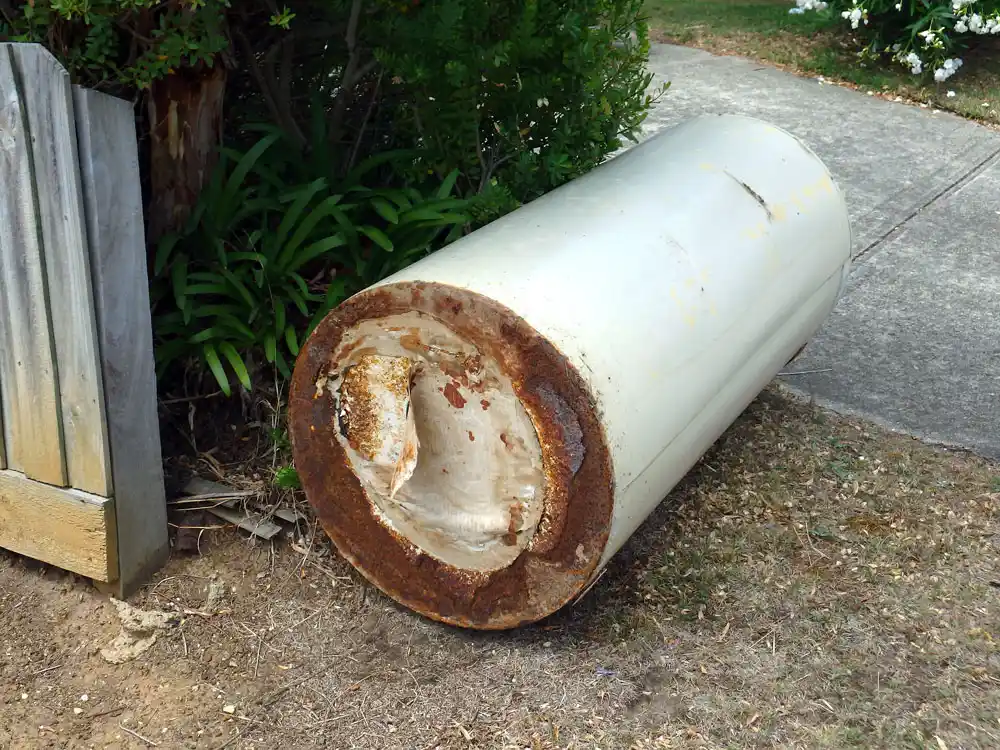
Rusty or Discolored Water
If your warm water is brown or metallic, the tank or inner pipes can be corroding. This is a prime sign to get a substitute warm water tank.
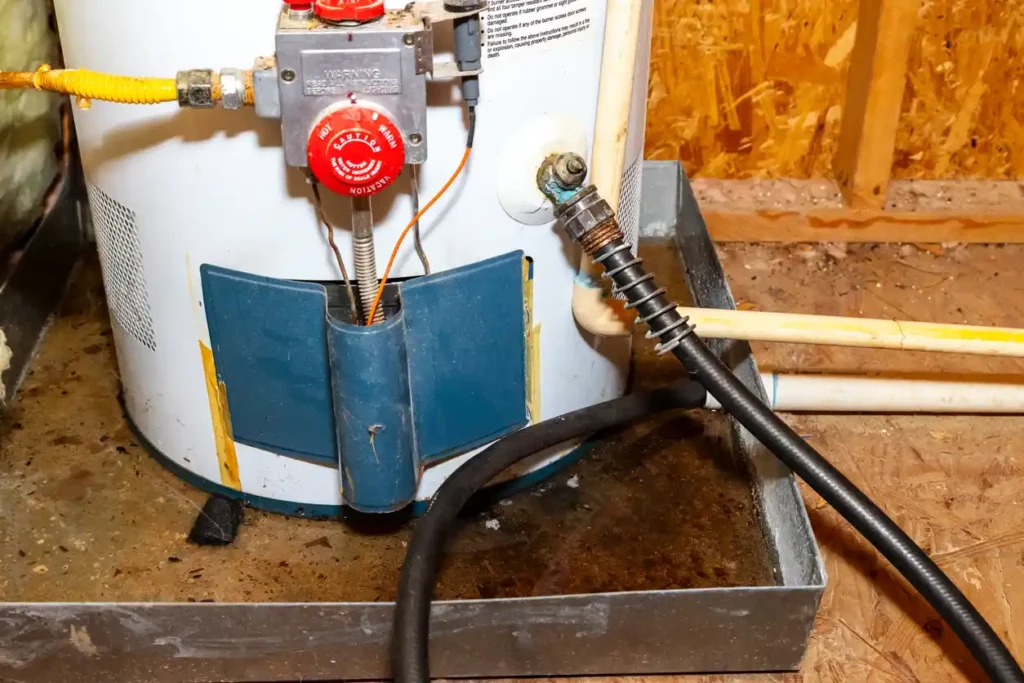
Leaks or Water Pooling Around the Tank
Leaks regularly imply the tank shell is compromised. A leaking tank isn’t always repairable — it`s time for substitute now.
Frequent Repairs & Rising Repair Costs
If you`ve paid for a couple of upkeep in a brief time, changing the unit is typically extra within your means than persisted fixes.
Noisy Operation — Popping, Rumbling, or Knocking
Sediment builds up on the tank bottom; boiling water below sediment reasons popping noises and decreases efficiency. Persistent noise is an indication of degradation.
Fluctuating or Insufficient Hot Water
If warm water runs out quicker than earlier than or temperatures fluctuate, factors or burners can be failing — or the tank is dropping capacity.
Visible Corrosion Around Fittings & T&P Valve
Rust across the pressure-alleviation valve or tank fittings suggests weakening metallic and the want to update.
Age Over Recommended Lifespan
If your tank is 10+ years old (or your tankless machine is nearing 15+ years), begin making plans a tankless water heater replacement or a brand new tank installation.
You may read Is a Noisy Water Heater Dangerous?
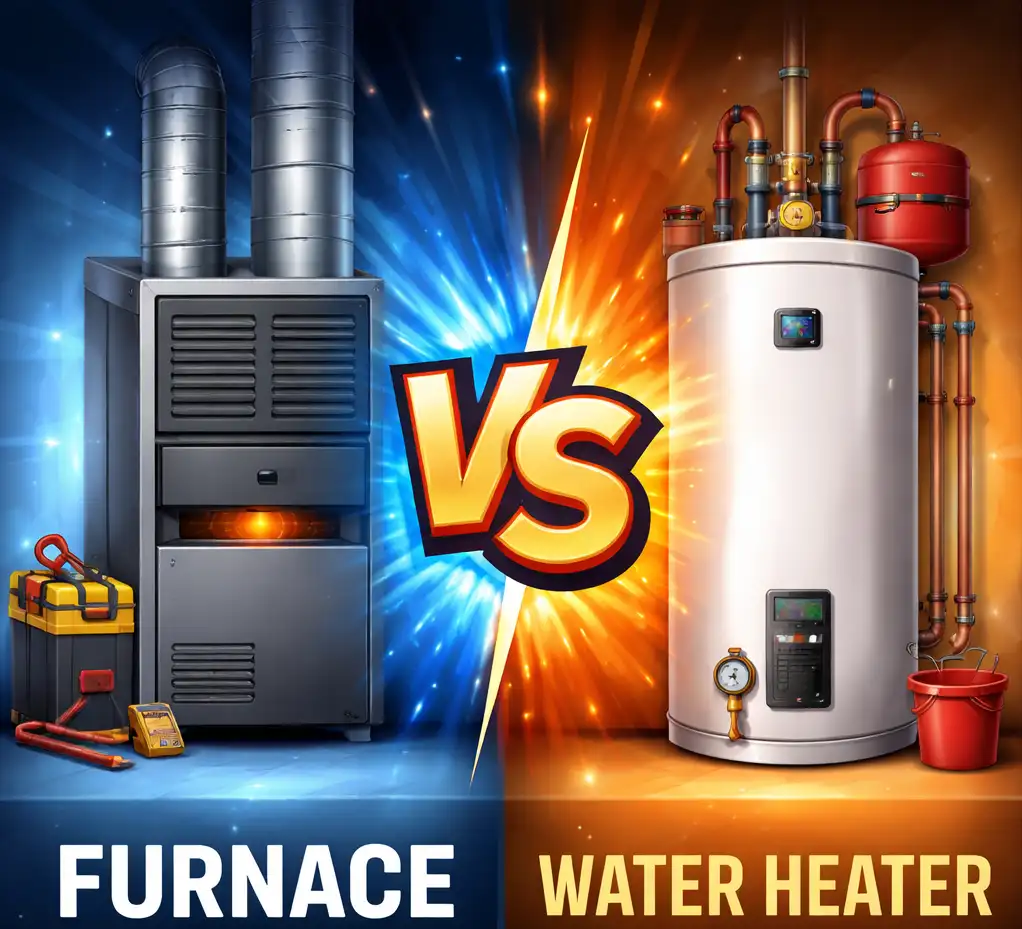
Tank vs Tankless: Replacement Options Explained
When identifying whilst to replace water heater, you`ll pick among changing with every other tank unit or upgrading to tankless. Each has professionals and cons.
Replacement Hot Water Tank (Traditional)
a)Pros:
- Lower prematurely price
- Simpler set up in maximum homes
- Reliable for high-volume, simultaneous warm-water use
b)Cons:
- Higher strength expenses over time
- Shorter lifespan (8–12 years)
- Larger footprint
Best for: Homeowners on a tighter finances or individuals who use quite a few warm water simultaneously.
Tankless Water Heater Replacement (On-Demand)
a)Pros:
- Endless warm water (no recuperation time)
- Higher strength efficiency (decrease running expenses)
- Longer lifespan (15–20+ years)
- Smaller, wall-hooked up unit
b)Cons:
- Higher prematurely price and set up complexity
- May require electric or gas-line enhancements
- Performance desires accurate sizing for simultaneous use
Best for: Long-time period savings, smaller spaces, or the ones searching for extra efficiency.
Costs: What to Expect for Replacement
Costs range extensively relying on capacity, gasoline type, complexity, and region. Typical ranges:
Replacement warm water tank (installed): $800–$2,500
Tankless water heater replacement (installed): $1,800–$5,500
Additional expenses: permits, exertions for enhancements, new venting, gas-line or electric enhancements, removal/disposal of vintage unit.
Hutchinson Heating and Air affords obvious estimates and could itemize parts, exertions, allow fees, and elective enhancements like water-softening prefilters or faraway controls.
Maintenance Tips to Extend Life & Delay Replacement
To postpone the instant you should determine when to replace water heater, do these:
- Flush the tank yearly to get rid of sediment (or each 6 months in hard-water areas).
- Check and update the anode rod each 3–five years — it protects the tank from corrosion.
- Test the temperature & pressure (T&P) valve yearly.
- Insulate older tanks and warm water pipes to lessen standby loss.
- Schedule annual expert upkeep with Hutchinson Heating and Air — early fixes regularly keep away from alternative.
When Immediate Replacement Is Required
Active leak from the tank (now no longer a valve) — update immediately.
Cracked warmness exchanger (in fueloline units) — instantaneously alternative advocated because of CO risk.
Extensive inner corrosion or tank bulging — unsafe; update now.
Choosing the Right Time: Replacement Checklist
Ask yourself:
- Is the heater older than its predicted lifespan?
- Have restore charges climbed recently?
- Are the overall performance and performance declining?
- Is there seen corrosion or proof of leaks?
- Are you making plans domestic improvements that would growth warm-water demand?
- If you answer “yes” to 2 or more, it`s prudent to behave on when to replace water heater.
Environmental & Efficiency Considerations
Switching to a tankless water heater replacement or a high-performance tank reduces electricity intake and greenhouse fueloline emissions. Consider Energy Star fashions and calculate payback periods (regularly five–10 years relying on utilization and neighborhood gasoline prices).
The Replacement Process.
When we update your unit, we provide:
- On-web website online assessment and sizing recommendation.
- Clear written estimate with alternatives and warranties.
- Permit pull and code-compliant set up (if needed).
- Removal and disposal of antique unit.
- Installation of recent unit with vital venting, line improvements, and protection checks.
- Post-set up checking out and patron walkthrough.
- Optional upkeep plan enrollment.
We cope with the entirety so that you recognize precisely while to replace water heater and the way to limit downtime.
Conclusion — Don`t Gamble: Plan the Replacement
Knowing when to replace a water heater protects your home from water damage, saves money on energy and repairs, and restores steady comfort. Whether you choose a hot water tank replacement or upgrade to a tankless water heater, Hutchinson Heating and Air offers expert guidance, transparent pricing, and certified installation. If your water heater is showing warning signs or nearing the end of its lifespan, it’s time to plan the swap — don’t wait for a leak or sudden failure. For trusted help, our Temecula Heater Installation service is ready to keep your home safe and comfortable. Call Hutchinson Heating and Air today to schedule your inspection and get fast, reliable installation you can count on.
Frequently Asked Questions (FAQs)
At what age have to I replace a water heater?
If your tank is older than 10 years (tank) or 15+ years (tankless), plan alternative. Age mixed with overall performance troubles hastens the timeline.
What are the main sign and symptoms to update water heater?
Rusty water, leaks, noisy operation, inadequate warm water, and continual upkeep are pinnacle symptoms and symptoms to update.
Is a tankless water heater replacement really well worth it?
Yes for lots homeowners. Tankless devices store power, provide longer life, and offer countless warm water — however require better in advance prices and right sizing.
Can I update simply elements of the water heater?
Minor elements (valves, thermostats, heating elements) may be replaced, however a leaking or corroded tank calls for complete alternative.
How lengthy does set up take?
A tank alternative typically takes 2–four hours. Tankless installations can take four–eight hours, relying on venting and software upgrades.