...

Hutchinson Heating and Air

HVAC Services

Why Does My Furnace Keep Turning Off? Common Causes & Fixes

Why Does My Furnace Keep Turning Off? A Complete Guide

If your furnace maintains shutting down repeatedly, the revel in may be each irritating and worrying. Homeowners frequently ask, Why does my furnace keep turning off? due to the fact the problem can interrupt consolation, boom power bills, and sign deeper mechanical problems. Understanding why a furnace maintains turning off, particularly if the furnace maintains turning on and off each few minutes, is important for fending off breakdowns, enhancing performance, and making sure protection. At Hutchinson Heating and Air, we regularly diagnose furnaces that brief-cycle—turning on and off rapidly—and the reasons can range from easy airflow regulations to severe mechanical failures. This manual explains each viable reason, how you may troubleshoot safely, and while it`s time to name a professional. What Does It Mean When a Furnace Keeps Turning On and Off? When a furnace maintains turning on and off, the device is experiencing brief biking. Instead of finishing a complete heating cycle, the furnace shuts down prematurely, simplest to restart quickly after. This now no longer simplest influences consolation however additionally places greater strain on components, decreasing the lifespan of the unit and growing restore costs. Short biking is sort of usually a symptom of a larger underlying issue, which makes early prognosis extraordinarily important. Most Common Reasons Your Furnace Keeps Turning Off A Dirty or Clogged Air Filter One of the maximum common reasons of a furnace keep turning off is a blocked air clear out out. When the clear out out will become clogged, right airflow is restricted. The furnace overheats and the protection device shuts it off automatically. If your furnace keep turning on and off each few minutes, checking the clear out out is the most effective first step. Thermostat Issues or Incorrect Settings A defective thermostat or bad thermostat placement can cause inconsistent signals. If your thermostat is hooked up close to a warmness source, direct sunlight, or a draft, it can misinterpret temperature and motive the furnace to show off prematurely. Overheating Due to Restricted Airflow Beyond air filters, blocked vents, closed registers, or grimy blower wheels additionally limition airflow. When airflow drops too low, the warmth exchanger overheats. The furnace`s protection transfer then forces it to close off. If the furnace keep turning off repeatedly, overheating can be the motive. A Dirty or Faulty Flame Sensor The flame sensor detects whether or not the burners are lit. If it`s dirty, the sensor can not affirm flame presence, inflicting the furnace to close off for protection. When a furnace turning on and off quickly after few sec, that is regularly the culprit. Low or Unstable Gas Supply Any fluctuation in fueloline stress—whether or not because of application troubles, defective valves, or an undersized line—can motive the furnace to keep turning off. Consistent brief biking would possibly suggest the furnace isn’t always receiving regular fuel. A Malfunctioning Blower Motor The blower distributes heat air all through your home. If it fails to begin or runs unevenly, the furnace will overheat and close off again and again. When your furnace keep turning off and on warming the residence nicely, blower troubles can be the problem. Blocked Exhaust or Flue Pipe Modern furnaces depend on a clean venting device to launch carbon monoxide and exhaust gases. Ice, chook nests, debris, or moisture can clog the flue pipe. The device senses hazard and shuts down again and again. This is a severe protection trouble that calls for instantaneously attention. Problems With the Furnace Limit Switch The high-restrict transfer is chargeable for detecting overheating. If it turns into defective, damaged, or miscalibrated, it may motive the furnace keep the turning off even if temperatures are normal. This creates common on-and-off biking that wishes expert prognosis. Incorrect Furnace Size for Your Home If your furnace is simply too large, it’ll warmth your area too speedy and close off earlier than finishing a complete cycle. This effects in consistent brief biking and sooner or later untimely device failure. An outsized furnace wastes power and reduces comfort. Hutchinson Heating and Air can examine your home`s heating load and affirm in case your furnace is nicely sized. How Hutchinson Heating and Air Diagnoses a Furnace That Keeps Turning Off When you name Hutchinson Heating and Air, our licensed technicians carry out a complete diagnostic service, which includes: Thermostat calibration and feature testing Airflow inspection, along with ducts, vents, and filters Flame sensor cleansing and burner testing Inspection of blower cars and belts Exhaust and flue device evaluation Heat exchanger situation assessment Gas stress and valve overall performance check Short biking is not a one-size-fits-all trouble, that is why expert prognosis is critical for long-time period answers and protection. You may read Why Is My Furnace Blowing Cold Air? Is It Safe If My Furnace Keeps Turning Off? A furnace that turns off again and again can be experiencing overheating, mistaken fueloline flow, or air flow problems. These can emerge as risky if ignored. Unexpected shut-offs are your furnace`s manner of protective you. However, non-stop brief biking indicators that the device cannot keep secure operation. If your furnace maintains turning on and off each few minutes, it`s great to time table a expert inspection with Hutchinson Heating and Air as quickly as possible. How to Prevent Your Furnace From Turning Off Repeatedly Routine renovation is the great protection towards quick biking. Cleaning filters monthly, scheduling annual furnace tune-ups, retaining vents open, and making sure right thermostat placement all lessen the possibilities of repeated furnace shutdowns. Hutchinson Heating and Air gives complete renovation plans to make sure to prevent from the situation where furnaces keep turning off. Conclusion A furnace that keeps turning off is more than just an inconvenience—it’s a warning that something inside the system needs quick attention. Whether it’s a clogged filter, faulty thermostat, dirty flame sensor, or restricted airflow, these issues can lead to bigger problems if ignored. When your furnace keeps shutting down or short-cycling, early diagnosis is the key to avoiding costly damage. For fast and reliable furnace

Why Does My Furnace Keep Turning Off? A Complete Guide Read More »

Gas vs Electric Furnace – Which Heating Option Is Better?

Gas vs Electric Furnace | Complete Guide to Choosing the Right System

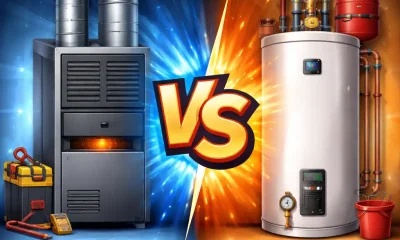
Choosing among a gas vs electric furnace can sense overwhelming, specifically whilst you need the pleasant stability of comfort, safety, and long-time period fee savings. At Hutchinson Heating and Air, we assist owners make assured selections via way of means of explaining the actual gas vs electric furnace difference, how every machine performs, how secure they are, and what you could assume in ongoing expenses. This complete manual compares the whole lot—electricity use, heating power, upkeep, safety, lifespan, and gas vs electric powered heating bills—so that you can select the ideal heating machine for your private home. Understanding the Gas vs Electric Furnace Difference To apprehend the actual gas vs electric furnace difference, it facilitates to first examine how every unit works. A gas furnace burns herbal fueloline or propane, producing warmth thru combustion and warming the warmth exchanger. An electric powered furnace, on the alternative hand, makes use of electric heating coils to heat air that circulates all through your private home. While each structures maintain your private home comfortable, their operation, electricity use, and overall performance range significantly. These variations effect the whole lot from month-to-month heating payments to noise, safety, and long-time period upkeep needs. Heating Performance: How Gas and Electric Furnaces Compare One of the most powerful differences withinside the gas vs electric powered furnace difference is heating overall performance. Gas furnaces are regarded for generating warmer air quickly, making them perfect for houses in chillier climates. They provide speedy temperature restoration and sturdy heating output. Electric furnaces warmth greater gradually. They nevertheless maintain your private home heat—however with a softer, much less extreme warmth. They`re frequently encouraged for moderate climates in which intense wintry weather temperatures are rare. If fast heating is your priority, fueloline has the clean advantage. Energy Efficiency and Real-World Operating Costs Electric furnaces convert strength into warmth with almost 100% efficiency, however that doesn`t imply they may be the most inexpensive option. Electricity is frequently priced better than herbal fueloline, which closely influences gas vs electric heating bills. Gas furnaces are pretty green too, with current fashions attaining as much as 98% AFUE. Even aleven though fueloline furnaces lose a small quantity of warmth thru venting, the decrease fee of herbal fueloline makes them greater low cost to run over time—specifically in bloodless regions. This is certainly considered one among the most important elements that have an impact on a homeowner`s decision. Gas vs Electric Heating Bills: Which One Costs More to Run? When evaluating gas vs electric heating bills, fueloline is nearly usually extra affordable. Natural fueloline has a decrease value consistent with unit of warmth produced, and fueloline furnaces generate extra BTUs with much less strength waste. Electric furnaces can come to be steeply-priced in chillier months due to the fact they need to run longer and harder, and strength costs are usually a lot better than fueloline. However, in regions with moderate winters—or wherein strength is cheaper—an electric powered furnace may also nevertheless be a clever economic choice. You may read Does a Gas Water Heater Need Electricity? Installation and Maintenance Differences Another crucial a part of the gas vs electric furnace difference is set up and long-time period care. Gas furnaces require: Gas line set up and inspection Venting/combustion analysis Heat exchanger exams Carbon monoxide monitoring These structures need to be serviced annually, and their protection is extra complex. Electric furnaces require no fueloline lines, no combustion chamber cleaning, and no flue protection. Their inner additives are simpler, making protection less difficult and much less steeply-priced over the unit`s lifespan. For house owners prioritizing comfort and occasional upkeep, electric powered furnaces are appealing. Safety of Gas vs Electric Furnace Systems Safety is one of the maximum essential factors withinside the gas vs electric powered furnace comparison. Gas Furnace Safety Gas furnaces are extraordinarily reliable, however due to the fact they burn fuel, they create dangers such as: Carbon monoxide leaks,Gas leaks, Venting problems and Combustion hazards These dangers are minimized with right set up and habitual provider from Hutchinson Heating and Air. Electric Furnace Safety Electric furnaces do now no longer burn fuel, so there is: No carbon monoxide No combustion No fueloline line issues This makes electric powered furnaces the more secure alternative in phrases of combustion-associated concerns. However, they nevertheless require electric protection exams to keep away from overheating or wiring issues. When comparing the safety of gas vs electric powered furnace structures, electric powered fashions win in simplicity, even as fueloline stays secure whilst nicely serviced. Environmental Impact Electric furnaces produce 0 emissions in the home. Their environmental effect relies upon on how strength is generated on your area. Gas furnaces burn fossil fuels and launch emissions, aleven though high-performance fashions considerably lessen environmental effect in comparison to older units. Which Furnace Lasts Longer? Electric furnaces can remaining 20–30 years, in large part due to the fact they don`t use combustion, which reasons put on on components. Gas furnaces normally remaining 15–20 years, relying on renovation quality, venting conditions, and utilization patterns. This distinction can impact your lengthy-time period heating investment. Which One Is Best for Your Home? The proper furnace relies upon on: Local climate Energy prices Whether your property already has a fueloline line How lengthy you intend to live withinside the home Comfort preferences (rapid warmness vs smooth warmness) Budget for set up vs working prices Gas furnaces are normally advocated for chillier states and massive homes. Electric furnaces are best for moderate climates, small homes, and conditions in which set up finances is limited. At Hutchinson Heating and Air, we examine everything—from insulation to ductwork—that will help you pick wisely. Conclusion Choosing between a gas vs electric furnace depends on your home’s heating needs and long-term comfort goals. Gas furnaces deliver stronger heat and lower monthly bills, while electric furnaces offer easier installation, low maintenance, and added safety. No matter which option fits your home, Hutchinson Heating and Air Conditioning provides trusted guidance and quality workmanship. Our team specializes

Gas vs Electric Furnace | Complete Guide to Choosing the Right System Read More »

How Much Does It Cost to Repair a Furnace? | Pricing Guide

How Much Does It Cost to Repair a Furnace?

When your furnace all at once stops working, blows bloodless air, or makes ordinary noises, one of the first questions that involves thoughts is: How much does it cost to repair a furnace? As uncomfortable as furnace breakdowns may be—in particular in the course of less warm months—know-how furnace restore price elements permit you to make smart, knowledgeable selections and keep away from needless expenses. At Hutchinson Heating and Air, we cope with all styles of furnace maintenance, from minor electric problems to foremost thing failures. Below is a complete, in-intensity manual protecting furnace repair cost, price to repair a furnace, oil furnace repair cost, and popular furnace repair price, supporting you already know what to anticipate earlier than scheduling a service. Understanding the Average Furnace Repair Cost The cost to repair a furnace varies extensively relying at the sort of furnace, the severity of the difficulty, the additives involved, and the age of your heating gadget. On average, U.S. house owners spend everywhere between $150 to $900 on furnace maintenance, however the rate may be better for older structures or specialised maintenance. Gas furnaces, electric powered furnaces, and oil furnaces all have exceptional price levels because of the complexity of elements and exertions involved. At Hutchinson Heating and Air, we continually offer upfront, sincere pricing so that you realize precisely what you`re procuring earlier than the paintings begins. What Affects the Cost to Fix a Furnace? Type of Furnace Different furnaces include exceptional restore requirements: Gas furnaces are the maximum not unusualplace and price mild quantities to restore because of reachable elements. Electric furnaces generally price much less to restore due to the fact they have got fewer additives. Oil furnaces regularly have better restore prices because of gasoline gadget complexity and element availability. If you are specially involved approximately oil furnace repair cost, it`s beneficial to realize that oil structures generally tend to fall at the better stop of furnace restore prices. The Age of the Furnace Older furnaces: Break down greater frequently Require harder-to-locate substitute elements May want greater big exertions to repair right function A furnace older than 15–two decades regularly prices greater to restore than it`s worth, wherein case substitute is every so often the greater price-green option. Hutchinson Heating and Air technicians will continually manual you truly and propose what`s really quality to your home. Nature of the Problem Some maintenance are short fixes, whilst others require elements substitute and diagnostic testing. Here are some examples: Thermostat recalibration: Low price Blower motor substitute: Moderate to excessive price Heat exchanger damage: High price Electric ignition problems: Moderate price Control board failure: Higher-stop restore Because every difficulty varies in severity, the precise furnace restore price relies upon on what’s damaged and the way urgently it have to be repaired. Emergency vs Regular Service If your furnace calls for late-night, weekend, or emergency restore, costs can be better because of off-hour rates. During severe wintry weather temperatures, emergency upkeep are extra common, and Hutchinson Heating and Air stays to be had to help whilst you want us maximum—however we continually continue to be obvious with fees. Replacement Parts Specific components have various rate points, including: Flame sensors Blower motors Ignition systems Control boards Limit switches Replacing a high-give up thing including a warmness exchanger or motor evidently fees extra than repairing a sensor or valve. You may read What Size Furnace Do I Need? Average Furnace Repair Prices via way of means of Type Gas Furnace Repair Cost Gas furnace upkeep generally variety from $two hundred to $600, relying at the thing involved. Issues including grimy burners, failed igniters, or defective sensors are the maximum common. Electric Furnace Repair Cost Electric furnace upkeep have a tendency to be extra affordable, frequently ranging from $a hundred and fifty to $450, as they contain easier electric components. Oil Furnace Repair Cost Oil furnace restore fee normally begins offevolved around $three hundred and may work up to $1,000+ relying at the complexity of the gasoline device and the components required. Hutchinson Heating and Air technicians are absolutely geared up to restore all 3 furnace kinds with precision and long-lasting solutions. Should You Repair or Replace Your Furnace? Sometimes repairing a furnace is worthwhile; different times, a substitute is the higher investment. You must take into account substitute when: Your furnace is extra than 15–twenty years old Repairs have emerge as common and costly Your power payments have elevated significantly The warmness exchanger is cracked Parts are out of date or extraordinarily expensive At Hutchinson Heating and Air, we compare your furnace absolutely and assist you make a decision whether or not a restore or a complete substitute makes extra experience financially. Conclusion Choose Hutchinson Heating and Air for Affordable, Reliable Furnace Repair Near Temecula, CA.When your furnace stops running or starts showing unusual signs, fast and professional repair protects your home and prevents bigger damage.We provide quick response times, accurate diagnostics, and honest pricing for all furnace repair needs—from ignition issues to airflow problems and emergency breakdowns. Our licensed technicians help you choose the smartest solution, whether repair or replacement gives better value.With years of trusted service and clear communication, we remain the top choice for local homeowners. Need fast furnace repair? Call Hutchinson Heating and Air today—we’ll keep your home warm, safe, and efficient year-round. Frequently Asked Questions (FAQ) How much does it cost to repair a furnace? The common furnace restore price tiers between $150–$900, however the very last rate relies upon at the component desiring restore, machine age, and carrier type. Is repairing a furnace really well worth it? If your furnace is beneathneath 15 years antique and the restore price is reasonable, repairing is frequently the pleasant option. Older structures can also additionally require alternative. Why is my furnace blowing cold air? Common motives consist of thermostat troubles, ignition failure, grimy filters, or blower motor problems. A expert prognosis from Hutchinson Heating and Air will discover the cause. Are oil furnace restore expenses better than

How Much Does It Cost to Repair a Furnace? Read More »

How Often Should I Have My Tankless Water Heater Flushed

How Often Should I Have My Tankless Water Heater Flushed?

Tankless water heater are one of the value able improvements for any home — efficient, compact, and able to provide countless warm/ hot water but if they maintained properly. But one query house owners frequently ask is: How often should I have to my tankless water heater flushed? The answer of this question depends upon for your water quality, usage, and the age of your unit, however in general, each tankless system needs a complete flush at the least in a year. In houses with hard/harsh water, flushing should manifest greater often to save you mineral buildup, constrained flow, and broken heat exchangers. At Hutchinson Heating and Air, we carry out masses of hot water heater flush service appointments each year. This unique manual explains the hot water heater flush frequency, signs that you notice are, what takes place for the duration of the process, and the way flushing protects the lifestyles and performance of your system. How Often Should You Flush a Tankless Water Heater? Every 12months for maximum houses Every 6 months when you have hard /harsh water Every 18–24 months handiest when you have a top rate filtration & softening gadget Immediately in case you be aware overall performance problems including gradual warm water, temperature fluctuation, or noises Flushing isn`t optional — it’s miles a vital a part of water heater cleansing routine and long-time period tank water heater maintenance. Why Flushing Matters for Tankless Water Heaters Unlike conventional tanks, tankless fashions warmness water on demand. They use a heat exchanger, a especially touchy inner element that heats water because it flows. Because water continuously circulates via the heater, minerals including: calcium magnesium limescale …stick with the inner piping and warmth exchanger walls. This mineral buildup reduces performance and overheats the exchanger, and it will increase strength usage, and ultimately ends in overall gadget failure. A right hot water heater flush service eliminates this buildup earlier than it will become damaging. What Happens If You Don`t Flush Your Tankless Water Heater? Failing to keep a normal water heater cleaning routine ends in critical problems, including: Overheating the Heat Exchanger When minerals construct up, warmness can’t switch properly. The gadget overheats and triggers protection shutoffs. Reduced Water Flow Scale constricts pipes, inflicting low strain or gradual warm water delivery. Lukewarm or Inconsistent Hot Water The gadget can’t warmness efficiently. Higher Energy Bills A scaled heater works harder — costing you some distance greater every month. Loud Noises Popping, crackling, vibration, and whistling suggest heavy buildup. Shortened Lifespan A tankless unit have to closing 15–20 years. Without flushing, which could drop to 5–eight years. Complete Heat Exchanger Failure Replacing a warmness exchanger can value nearly as a whole lot as a brand new heater — and is typically avoidable with flushing. Ideal Water Heater Flush Frequency — Based on Your Conditions Homes With Hard Water (Most of California) Flush each 6 months Hard water = fast limescale buildup Hutchinson Heating and Air pretty recommends water softeners or descaling structures in those regions. Homes With Standard City Water (Moderate Water Quality) Flush each one year This is the same old encouraged with the aid of using nearly all primary manufacturers Homes With Water Softener + Filter Combo Flush each 18–24 months Minerals are minimized, however annual inspection remains required. Homes With Heavy Hot Water Usage Examples: Large families High-glide showers Tankless gadgets imparting a couple of fixtures Recirculating structures Flush each 6–,1 year relying on demand. You may read How to Hide Tankless Water Heater? Signs Your Tankless Water Heater Needs Immediate Flushing If you be aware any of those symptoms, your water heater cleansing routine is overdue: Delay in warm water delivery Hot water slicing off mid-shower Low warm water pressure Water feels cooler than usual Popping or scorching noises Error codes on display (regularly scale buildup warnings) Metallic odor or strange taste Visible white chalky residue round valves/fittings The longer you wait, the greater harm is done. What`s Included in a Professional Hot Water Heater Flush Service? At Hutchinson Heating and Air, our licensed technicians observe a multi-step, manufacturer-accepted process: 1: Shut down fueloline or electric powered power Ensures secure operation. 2: Close cold/warm water isolation valve Prevents backflow. 3: Connect carrier hoses Links the heater to the flush pump system. 4:Add expert descaling answer This dissolves cussed calcium, magnesium, and limescale. 5:Circulate answer for 45–60 minutes Deep cleans the warmth exchanger and inner piping. 6: Rinse with clean smooth water Removes leftover answer and debris. 8:Clean inlet filters & screens Often clogged with rust, sediment, and debris. 8:Run diagnostics We check for temperature accuracy, ignition efficiency, glide rate, and mistakess codes. 9: Inspect venting, sensors, and burners Ensures secure long-time period performance. This is a ways greater powerful than a DIY vinegar flush and guarantees longevity. DIY vs Professional: Which Is Better?  A)DIY Flushing Possible for skilled homeowners Requires pump, hoses, buckets, cleansing chemicals Does NOT consist of sensor inspection, burner cleansing, or gadget diagnostics Mistakes can void warranties B) Professional Flushing with the aid of using Hutchinson Heating and Air Uses high-grade descaler (some distance greater powerful than vinegar) Cleans inner monitors and filters Includes protection inspection Catch early harm earlier than foremost failure Protects warranty Provides correct protection c program languageperiod guidance DIY is ok for protection, however expert flushing guarantees the gadget is actually smooth and safe. Tank Water Heater Maintenance vs Tankless Maintenance — What`s the Difference? Many human beings assume tankless devices require much less protection, however that`s now no longer true. a)Tank Water Heater Maintenance Includes: Sediment draining Anode rod inspection Temperature checks Pressure alleviation valve testing b)Tankless Maintenance Includes: Full gadget flush Cleaning inlet filters Burner inspection Venting inspection System diagnostics Both require annual carrier — simply one-of-a-kind procedures. Conclusion — Keep Your Tankless Water Heater Running Like New Look, here’s the bottom line – get your tankless water heater flushed once a year, and you’ll avoid a ton of headaches down the road. Nobody wants to deal with

How Often Should I Have My Tankless Water Heater Flushed? Read More »

Can You Lay a Water Heater on Its Side? Guide

Can You Lay a Water Heater on Its Side?

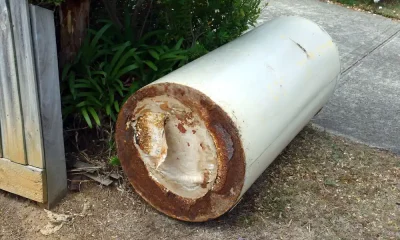
Transporting or transferring a water heater raises a common question: Can you lay a water heater on its side? This is an important concern for homeowners planning to move or replace their units. Understanding proper handling methods can mean the difference between successful installation and costly damage. At Hutchinson Heating and Air, we move and service water heaters daily. The answer is generally no — you should not lay a water heater on its side. Laying a water heater horizontally can damage internal components, increase the risk of leaks, and significantly shorten the unit’s lifespan. The internal structure isn’t designed for sideways positioning, which can shift critical parts, crack the glass lining, or damage heating elements. If you must transport a unit horizontally due to space constraints, do so with extreme care, including proper securing, minimal transit time, and allowing the unit to stand upright for several hours before installation. Why the orientation matters — technical dangers explained When you lay down a water heater you danger harming numerous inner parts: Glass-Lined Inner Tank Most garage tanks have a skinny glass lining to face up to corrosion. Impact or choppy stress whilst on its facet can crack this lining. Cracks cause expanded corrosion and eventual tank failure. Dip Tube and Internal Plumbing The dip tube (cold-water inlet) and different inner fittings are designed for vertical orientation. Lateral stresses can bend, fracture, or dislodge them, generating negative blending and on the spot overall performance issues. Sediment Disturbance (Used Tanks) Older tanks frequently incorporate sediment. Laying the tank sideways stirs and relocates sediment, that could clog valves or harm heating factors. Heating Elements & Immersion Parts — Electric factors are vertical and may be harassed or kinked if the tank is rolled or dropped. Gas burners and combustion additives in fueloline warmers can shift, main to risky combustion. Outer Shell and Insulation Compression Dents at the outer shell frequently suggest inner harm. Insulation compression reduces efficiency. Control & Valve Damage Pressure-alleviation valves, thermostats, fueloline controls, and panels may be jarred or harassed while the unit isn`t upright. You may read What Causes a Water Heater to Leak? Manufacturer steerage — continually test first Always seek advice from the heater`s proprietor guide or producer website. Many producers explicitly nation whether or not horizontal delivery is permitted. If the guide forbids laying the unit on its facet, do now no longer do it — assurance and protection worries apply. If the guide lets in facet delivery, it’s going to typically encompass orientation limits, cushioning, and minimal relaxation instances earlier than startup. When it`s OK to put a water heater on its facet Brand-new gadgets: Factory-sparkling tanks frequently live on facet delivery higher due to the fact no sediment or thermal biking has weakened the lining. Short-distance actions wherein upright delivery is not possible however the unit stays well-supported and cushioned. Manufacturer permits horizontal delivery: When commands explicitly allow it (uncommon however possible). Even in those cases, comply with strict dealing with protocols (below). When it`s NOT OK — keep away from facet delivery Used tanks older than ~5–7 years (chance of inner corrosion). Heaters with water inside (by no means pass with water inside). Tankless heaters (touchy electronics and coils). Gas gadgets with fragile venting or burner assemblies until producer steerage permits. If assurance or neighborhood code prohibits it. Step-with the aid of using-step: How to move a water heater on its facet (safely) If you haven’t any opportunity and need to transport water heater on side, use this expert procedure: Drain absolutely Shut off water supply. Shut off power (electric powered breaker) or fueloline supply (fueloline valve + pilot). Attach a lawn hose to the drain valve and open a warm tap to vent the tank. Drain absolutely till dry. Disconnect utilities Remove electric wires on the get admission to panel (electric powered models) and cap safely. Disconnect fueloline piping and cap the fixture (fueloline connections need to be sealed with the aid of using an authorized tech after reinstall). Disconnect water strains and insulate or cap fittings to save you contamination. Secure and defend valves & fittings Remove or tie off fragile components (thermostats, manage panels). Cover all openings with taped cardboard, caps, or foam. Ensure the T&P (temperature & pressure) valve is capped and protected. Pad and cushion Place heavy blankets, foam pads, or cardboard beneathneath the tank. Cushion each lengthy aspects and each stop caps. Use a robust base: delivery on a pallet, dolly, or flat platform to save you direct touch with tough surfaces. Positioning When laying on its facet, location the heater in order that the get admission to panels and valves are going through upward (much less pressure on components). Avoid putting valves at once downwards into the helping surface. Secure the load Use ratchet straps or ropes to save you rolling or sliding. Restrain the unit at more than one factors to steady orientation. Drive gently Avoid hard roads, sharp turns, surprising braking, and high-velocity bumps. Keep speeds low. Upright relaxation Immediately after attaining destination, stand the heater upright. Let it take a seat down upright for at the least 24 hours (1–four hours minimal in a few cases, however 24 hours is safest). This lets in inner components, fluids, and sealants to settle lower back into designed positions. Professional inspection earlier than startup Before reconnecting fueloline or electricity, investigate for damage. Hutchinson Heating and Air recommends a expert technician carry out the reconnection and a combustion/stress take a look at for fueloline gadgets, and an electrical detail continuity take a look at for electric powered gadgets. Post-shipping inspection checklist (do NOT skip) After upright relaxation, check: Outer shell dents, cracks, or deformation Visible inner get entry to panel damage T&P valve circumstance and operation (no leakage) Water inlet/outlet fittings for cracks or looseness Pilot assembly (fueloline gadgets) and burner alignment Heating detail integrity and wiring (electric powered gadgets) Strange noises after refill & first warmth cycle Any leaks for the duration of a stress

Can You Lay a Water Heater on Its Side? Read More »

How to Drain an Electric Water Heater Step-by-Step

How to Drain an Electric Water Heater | Full Guide

If your electric powered water heater isn`t generating sufficient warm water, makes popping noises, or takes too lengthy to warmness, it could be time to empty it. Draining an electric powered water heater is one of the maximum essential renovation responsibilities owners can do to increase the lifestyles in their unit and preserve it strolling efficiently. Whether you`re looking to drain an electric hot water heater, need to realize the proper approach for draining an electric  water heater, or you`re virtually searching out a step by step manual to right electric powered water heater draining, this entire academic will assist you do it correctly and correctly. At Hutchinson Heating and Air, we assist loads of owners keep and guard their water warmers each year. Below is the identical procedure our specialists use withinside the field—defined in simple, clear, and secure steps. Why You Need to Drain an Electric Water Heater Over time, minerals like calcium and magnesium settle at the lowest of your tank. This buildup of sediment: Reduces heating efficiency Causes water heater rumbling or popping sounds Traps warmness and overheats the tank Increases your electric powered bill Shortens the lifespan of the tank Failing to empty your water heater frequently can purpose the lowest of the tank to overheat and ultimately crack, main to a entire unit failure. Most professionals—which includes our technicians at Hutchinson Heating and Air—suggest draining the tank each 6–12 months. Tools You Need Before Draining a Water Heater To correctly drain an electric water heater, acquire the following: Garden hose Bucket (optional) Flathead screwdriver Towel or rag Gloves Flashlight Nearby ground drain (optional) Safety First: Before You Begin Turn OFF the Power Electric water warmers use 240 volts, which may be deadly. Go for your electric panel, find the water heater breaker, and flip it OFF. Allow the Water to Cool Wait at the least 1–2 hours after shutting off the power. Draining warm water can purpose burns. Check for Leaks Before Draining If the tank is already leaking, touch us immediately. Draining a compromised tank can purpose flooding. You may read How Long Does a Water Heater Take to Heat Up? Step-by-Step Guide | How to Drain an Electric Water Heater Below is the complete, secure system for correctly draining an electric powered water heater. Turn Off the Cold Water Supply Locate the bloodless-water shutoff valve above the heater and flip it clockwise to forestall the water flow. This prevents greater water from filling the tank throughout the drain system. Connect a Hose to the Drain Valve Attach a general lawn hose to the drain valve placed close to the lowest of the heater. Make sure: The hose is tightly attached The different give up results in a ground drain or outside If you`re draining right into a bucket, be organized to drain it numerous instances. Open a Hot Water Faucet to Release Pressure Go to any sink or bath in your private home and flip the recent water take care of ON. This prevents vacuum stress and facilitates the tank drain faster. Open the Drain Valve Use a flathead screwdriver (or the valve take care of if yours has one) and slowly open the drain valve. Water must begin flowing. If water doesn`t come out: There can be heavy sediment blocking off the valve Tap the valve lightly with a device or open/near it till sediment breaks free. Flush Out Remaining Sediment Once the tank is almost empty: Turn ON the bloodless water deliver in brief for 10–20 seconds Let it push out greater sediment Turn it OFF again Continue draining Repeat till water runs clean from the hose. This step is essential—maximum owners overlook it, lowering the effectiveness of draining. Close the Drain Valve and Remove the Hose Once the water is clean: Close the drain valve tightly Remove the hose Check for leaks across the valve If the drain valve won`t near absolutely or drips, Hutchinson Heating and Air can update it. Refill the Tank Turn the bloodless water deliver valve returned ON. Go to the sink tap you left open and wait till: Water flows smoothly No air bubbles are present This guarantees your tank is absolutely refilled. Restore Power Once the tank is full, pass returned on your breaker panel and flip the water heater breaker ON. Never flip the energy returned on earlier than the tank is full Dry heating factors can burn out instantly. Common Problems When Draining a Water Heater (and How to Solve Them) Nothing Comes Out Sediment blockage is not unusualplace in older heaters. Try opening/ultimate the valve numerous instances or growth water stress with a brief bloodless-water burst. Drain Valve Leaks After Closing Plastic drain valves frequently put on out. A leaking valve normally desires replacement. Brown or Rusty Water Indicates tank corrosion. Replacement can be wanted soon. Water Drains Very Slowly Sediment buildup is severe—expert flushing required. When to Call Hutchinson Heating and Air Draining a water heater is simple, however now no longer continually easy—in particular if: Your tank is 10+ years old The drain valve is clogged You see rust withinside the water The tank is leaking The breaker maintains tripping You have low warm water pressure Your tank takes too lengthy to refill Our educated technicians can carry out a complete expert electric water heater draining, inclusive of sediment flush, valve inspection, heating detail test, and protection checks. Conclusion Learning how to drain an electric water heater is one of the simplest ways to prevent breakdowns and keep your hot water supply running smoothly. Regular electric water heater draining removes sediment, improves efficiency, lowers energy bills, and helps protect the tank from early damage. However, if your system hasn’t been serviced in years or you notice rust, leaks, or slow draining—professional help is the safest choice. That’s where Hutchinson Heating and Air is here to support you with reliable Temecula heater maintenance service. Contact our team today and keep your home warm, efficient, and worry-free with trusted

How to Drain an Electric Water Heater | Full Guide Read More »

When to Replace a Water Heater | Key Signs to Know

When to Replace a Water Heater | Key Signs to Know

There`s not anything worse than moving into a chilly bathe or locating the laundry soaked in lukewarm water — specially while the wrongdoer is an getting older water heater. The massive query each house owner in the end faces is: When to replace a water heater? Replacing on the proper time saves money, avoids damage, and restores comfort. At Hutchinson Heating and Air, we assist owners decide the perfect substitute moment — whether or not which means a replacement hot water tank or a complete tankless water heater replacement. This manual explains the symptoms and sign to replace water heater, substitute options, actual costs, and what to anticipate from expert installation. Read directly to make the best choice on your home. How Long Should a Water Heater Last? Before selecting substitute, recognize regular lifespans: Conventional tank water warmers: 8–12 years (average). Electric tank warmers: 10–15 years. Tankless water warmers: 15–20+ years with right maintenance. Heat-pump / hybrid units: 10–15 years. Age is a essential component while answering while to replace water heater — in case your unit is drawing near those limits, start making plans a substitute although it nonetheless functions. Top Signs to Replace Water Heater Here are the maximum dependable symptoms and sign  to replace water heater — look ahead to any of the following: Rusty or Discolored Water If your warm water is brown or metallic, the tank or inner pipes can be corroding. This is a prime sign to get a substitute warm water tank. Leaks or Water Pooling Around the Tank Leaks regularly imply the tank shell is compromised. A leaking tank isn’t always repairable — it`s time for substitute now. Frequent Repairs & Rising Repair Costs If you`ve paid for a couple of upkeep in a brief time, changing the unit is typically extra within your means than persisted fixes. Noisy Operation — Popping, Rumbling, or Knocking Sediment builds up on the tank bottom; boiling water below sediment reasons popping noises and decreases efficiency. Persistent noise is an indication of degradation. Fluctuating or Insufficient Hot Water If warm water runs out quicker than earlier than or temperatures fluctuate, factors or burners can be failing — or the tank is dropping capacity. Visible Corrosion Around Fittings & T&P Valve Rust across the pressure-alleviation valve or tank fittings suggests weakening metallic and the want to update. Age Over Recommended Lifespan If your tank is 10+ years old (or your tankless machine is nearing 15+ years), begin making plans a tankless water heater replacement or a brand new tank installation. You may read Is a Noisy Water Heater Dangerous? Tank vs Tankless: Replacement Options Explained When identifying whilst to replace water heater, you`ll pick among changing with every other tank unit or upgrading to tankless. Each has professionals and cons. Replacement Hot Water Tank (Traditional) a)Pros: Lower prematurely price Simpler set up in maximum homes Reliable for high-volume, simultaneous warm-water use b)Cons: Higher strength expenses over time Shorter lifespan (8–12 years) Larger footprint Best for: Homeowners on a tighter finances or individuals who use quite a few warm water simultaneously. Tankless Water Heater Replacement (On-Demand) a)Pros: Endless warm water (no recuperation time) Higher strength efficiency (decrease running expenses) Longer lifespan (15–20+ years) Smaller, wall-hooked up unit b)Cons: Higher prematurely price and set up complexity May require electric or gas-line enhancements Performance desires accurate sizing for simultaneous use Best for: Long-time period savings, smaller spaces, or the ones searching for extra efficiency. Costs: What to Expect for Replacement Costs range extensively relying on capacity, gasoline type, complexity, and region. Typical ranges: Replacement warm water tank (installed): $800–$2,500 Tankless water heater replacement (installed): $1,800–$5,500 Additional expenses: permits, exertions for enhancements, new venting, gas-line or electric enhancements, removal/disposal of vintage unit. Hutchinson Heating and Air affords obvious estimates and could itemize parts, exertions, allow fees, and elective enhancements like water-softening prefilters or faraway controls. Maintenance Tips to Extend Life & Delay Replacement To postpone the instant you should determine when to replace water heater, do these: Flush the tank yearly to get rid of sediment (or each 6 months in hard-water areas). Check and update the anode rod each 3–five years — it protects the tank from corrosion. Test the temperature & pressure (T&P) valve yearly. Insulate older tanks and warm water pipes to lessen standby loss. Schedule annual expert upkeep with Hutchinson Heating and Air — early fixes regularly keep away from alternative. When Immediate Replacement Is Required Active leak from the tank (now no longer a valve) — update immediately. Cracked warmness exchanger (in fueloline units) — instantaneously alternative advocated because of CO risk. Extensive inner corrosion or tank bulging — unsafe; update now. Choosing the Right Time: Replacement Checklist Ask yourself: Is the heater older than its predicted lifespan? Have restore charges climbed recently? Are the overall performance and performance declining? Is there seen corrosion or proof of leaks? Are you making plans domestic improvements that would growth warm-water demand? If you answer “yes” to 2 or more, it`s prudent to behave on when to replace water heater. Environmental & Efficiency Considerations Switching to a tankless water heater  replacement or a high-performance tank reduces electricity intake and greenhouse fueloline emissions. Consider Energy Star fashions and calculate payback periods (regularly five–10 years relying on utilization and neighborhood gasoline prices). The Replacement Process. When we update your unit, we provide: On-web website online assessment and sizing recommendation. Clear written estimate with alternatives and warranties. Permit pull and code-compliant set up (if needed). Removal and disposal of antique unit. Installation of recent unit with vital venting, line improvements, and protection checks. Post-set up checking out and patron walkthrough. Optional upkeep plan enrollment. We cope with the entirety so that you recognize precisely while to replace water heater and the way to limit downtime. Conclusion — Don`t Gamble: Plan the Replacement Knowing when to replace a water heater protects your home from water damage, saves money on energy and repairs, and restores steady comfort. Whether you choose a hot water

When to Replace a Water Heater | Key Signs to Know Read More »

How to Hide Tankless Water Heater at Home

How to Hide Tankless Water Heater | Smart Solutions for Your Home

Tankless water heaters are great for saving space and energy. But even small units can stand out in your home. Many people want to know how to hide tankless water heater units without losing access or safety. This guide shows you simple ways to hide hot water heater systems. You’ll learn safe methods that look good and work well. Let’s make your water heater blend into your space. Why Tankless Water Heaters Should Be Hidden Your home should look the way you want it. A water heater sitting in plain sight can break up your design. This is true whether it’s in your kitchen, bathroom, or laundry area. Here’s why people hide their units: Looks Matter A bare water heater doesn’t fit most home styles. Hiding it keeps rooms looking clean and put together. Protects Your Unit Covers keep dust away. They also prevent bumps and scrapes. This helps your heater last longer. Cuts Down Noise Some tankless models make sounds when they run. A proper cover can reduce this noise. Helps Resale Value A clean, modern look appeals to buyers. Hidden units show you care about your home. Keeps Kids Safe Young children might touch hot pipes. A barrier adds a layer of safety. At Hutchinson Heating and Air, we see these concerns every day. Our heater installation in Temecula always includes advice on placement and covering options. Understanding Your Space and Unit Type Before you hide anything, check your heater’s needs. Different models have different rules. Indoor vs Outdoor Models Indoor units need more airflow. Outdoor models are built tougher but still benefit from weather protection. Gas vs Electric Gas heaters produce exhaust. They need proper venting. Electric models are easier to cover since they don’t create fumes. Manufacturer Requirements Always read your manual first. Breaking clearance rules can void your warranty. It can also create fire risks. Most tankless heaters need: 6 inches of space on sides 12 inches in front for service Clear exhaust paths for gas models Creative Methods for Hiding Water Heaters Now let’s look at ways to hide hot water heater units. These methods work in different rooms and budgets. Custom Cabinet Enclosures A cabinet is one of the best options. You can build one or buy pre-made units. What Works Well: Use louvered doors for airflow Install on hinges for easy access Match your existing cabinets Add a small fan if needed Wood cabinets look great in most homes. Metal options work well in modern spaces. Make sure any cabinet has vents at top and bottom. Sliding Panel Systems Sliding panels save space and look sleek. They work great in tight areas like utility closets. Benefits: Slides open for full access Takes up less room than swinging doors Modern appearance Easy to install You can use barn door hardware for a rustic look. Or try track systems for something more minimal. Decorative Screens and Room Dividers Freestanding screens are quick and affordable. You can move them when needed. Good Options: Wooden folding screens Metal lattice panels Woven bamboo dividers Fabric room dividers on frames Place the screen a few inches from the unit. This allows air to flow behind it. Curtain and Fabric Solutions For tight budgets, fabric works well. Choose thick material that matches your decor. Installation Tips: Use ceiling-mounted tracks Pick fire-resistant fabrics Leave 4-6 inches of clearance Consider washable materials This works best for electric models. Gas heaters need more substantial coverage. Built-In Wall Solutions If you’re renovating, consider building the heater into a wall. This creates the cleanest look. What to Include: Removable access panel Proper insulation around unit Service space behind wall Ventilation channels This option costs more but adds real value. It’s perfect for new construction or major remodels. Shelf and Storage Combinations Turn your heater area into useful storage. Build shelves around the unit. Smart Designs: Open shelving above and beside heater Storage baskets that hide the unit Combination of closed and open storage Built-in countertop above if space allows This approach works great in laundry rooms and garages. You may read How Much to Install a Hot Water Heater? How to Hide Your Water Heaters in Bathroom Bathrooms need special attention. Space is limited and moisture is high. Vanity Integration Installing your heater inside a vanity works if you have room. The vanity must be large enough and properly vented. Requirements: Ventilated cabinet doors Minimum clearances met Access panel for repairs Moisture-resistant materials Not every vanity fits a water heater. Measure carefully before planning this option. False Wall Construction A false wall creates a hidden alcove. This works in larger bathrooms. Build Steps: Frame a shallow wall 6-8 inches deep Add access door or panel Include ventilation grates Paint to match existing walls You can add hooks or small shelves to the false wall. This makes it look intentional. Mirror and Artwork Covers A large mirror or cabinet can hide a small tankless unit. The mirror needs to be on hinges or easily removable. Installation Points: Use French cleats for easy removal Ensure daily access isn’t needed Keep minimum clearances Choose substantial frames This works best for units that don’t need frequent checking. Recessed Wall Niches If your wall has depth, recessing the unit looks cleanest. This requires professional installation. Benefits: Completely hidden No lost floor space Professional appearance Permanent solution Talk to Hutchinson Heating and Air about recessed options. Our team handles this type of heater installation in Temecula regularly. Tile or Panel Concealment Custom tile work or wall panels can hide your heater while matching your bathroom style. Design Ideas: Continuation of shower tile Accent wall that extends over heater Textured panels that match Magnetic access panels disguised as decor This option needs a contractor who understands plumbing and heating needs. Garage and Utility Room Ideas Garages and utility rooms offer more flexibility. You can use larger covers without tight space concerns. Practical Options: Industrial-style metal cabinets Pegboard covers with tool storage Large sliding barn doors Floor-to-ceiling utility closets These spaces

How to Hide Tankless Water Heater | Smart Solutions for Your Home Read More »

Does a Gas Water Heater Need Electricity? Find Out

Does a Gas Water Heater Need Electricity? The Complete Guide

Imagine a severe winter storm knocking out power in your neighborhood. Will your furnace still provide heat? If you have an older model, the answer is often yes. However, modern high-efficiency furnaces typically rely on electricity for ignition, venting, and controls. Understanding the type of furnace you own is essential to determine whether you need a generator, an uninterruptible power supply (UPS), or a backup heating solution. In this complete manual from Hutchinson Heating and Air, we give an explanation for precisely while a gas water heater needs electricity, what the not unusualplace gas water heater power preparations are, how the gas heater power sour /supply influences reliability and protection, and what the actual gas water heater power requirement looks as if in actual homes. We ladditionally cowl backup options, troubleshooting, maintenance, and solution the maximum not unusualplace property owner questions. The Quick Overview — Does a Gas Water Heater Need Electricity? Do now no longer require power to provide warm water. The pilot flame burns constantly and could ignite the burner even at some point of an outage. Electronic-ignition fueloline water warmers (present day tanks): Do require power — the ignition system, manipulate board, and protection sensors won`t paintings at some point of outages. Power-vent and condensing fueloline water warmers: Require power for fans, pumps, and controls. Tankless fueloline water warmers: Always require power for sensors, ignition, and controls. So — whether or not your unit desires power relies upon on its design. Let`s dig into the details. How Gas Water Heaters Use Power (What Actually Needs Electricity) Modern fueloline water warmers have numerous electrically powered components: Ignition structures: Electronic spark or warm-floor ignitors require small quantities of power to mild the burner (in contrast to a status pilot). Control boards & protection sensors: Digital controllers, flame sensors, strain switches, and diagnostic electronics want non-stop low-voltage energy. Power-vent blowers & exhaust fans: These forced-draft fans (on energy-vent and condensing gadgets) pass combustion gases; they run constantly while the burner operates. Condensate pumps: Condensing gadgets may also want a pump to eliminate acidic condensate if gravity drain isn`t possible. User interface & Wi-Fi features: Smart thermostats and Wi-Fi tracking want energy for presentations and communications. Bottom line: If your unit has a plug, a virtual display, a fan motor, or a PVC vent, anticipate it desires power. You may read How to Repair an Electric Hot Water Heater? Common Configurations — What to Expect During Outages Standing-pilot (atmospheric vent): Pilot lit continuously → warm water stays to be had till tank is depleted. Intermittent/digital ignition (contemporary-day tank): No pilot → no warm water throughout outage due to the fact ignition and manage electronics are unpowered. Power-vent / condensing heaters: Fan required for venting → unit will lock out with out strength for protection. Tankless fueloline heaters: Relies on waft sensors, ignition, and modulating valves → no characteristic with out strength. How Much Electricity Do Gas Water Heaters Use? Gas gadgets draw an awful lot much less strength than electric powered-simplest heaters, however necessities vary: Ignitor & controls: normally some watts to 3 dozen watts (intermittent). Power-vent fanatics: typically 20–two hundred watts whilst running (non-stop throughout heating cycles). Tankless electronics & pumps: can draw 100–500+ watts relying on version. Generator/UPS planning: A small UPS can preserve manage electronics for a quick time however won`t reliably run fanatics or pumps. For extended outages or strength-vented gadgets, a generator sized to address non-stop fan and pump hundreds is recommended. Safety & Code Considerations Combustion venting: Power-vent and induced-draft structures rely on fanatics — working them with out right venting is dangerous. Systems encompass protection interlocks that save you operation if fanatics are unpowered. Carbon monoxide (CO): Any venting failure or cracked warmness exchanger can motive CO hazards. Always have CO detectors hooked up and functioning. Local codes: Many jurisdictions require positive venting, electric, and combustion air provisions. Only certified professionals (like Hutchinson Heating and Air) ought to adjust fueloline venting or electric connections. Troubleshooting — How to Tell If Your Gas Heater Needs Electricity Signs your fueloline heater is electrically structured: Digital display / blunders codes Visible strength wire or outlet nearby Audible fan/blower whilst firing PVC venting in place of steel flue Unit stops running throughout a strength outage If your warm water stops throughout a blackout, you possibly have an electrically structured version. Backup Options — Keep Hot Water When Power Fails Whole-residence generator: Best for lengthy outages; strength complete domestic circuits such as water heater blowers. Dedicated generator circuit: Smaller transportable generator devoted to the water heater`s circuit (have to be nicely sized and hooked up). UPS for manage electronics: Useful for quick outages to keep electronics (won`t run fanatics/pumps). Choose a non-electric powered version: In outage-susceptible regions, remember an atmospheric (standing-pilot) or non-powered direct-vent unit — however weigh performance trade-offs. Hutchinson Heating and Air can suggest on sizing, switch switches, and secure generator integration. Maintenance Tips & Best Practices Schedule annual service: test ignitor, manage board, fan motor, venting, and combustion. Keep vent terminals clean of snow/debris. Install and take a look at CO detectors close to slumbering regions and the equipment. If you’ve got got a strength-vent or condensing unit, look into condensate drains and pumps yearly. Document version electric specifications for generator sizing. Conclusion So, does a gas water heater need electricity? It depends on the model. Modern electronic-ignition, power-vent, condensing, and tankless gas water heaters require power for ignition, venting, and controls. At Hutchinson Heating and Air, we provide expert heating installation in Temecula, helping you choose the right system and backup solutions for your home. Ensure reliable heat and safety with our professional guidance. Contact us today to schedule your installation or consultation! F&Qs — Frequently Asked Questions Does a gas water heater paintings with out energy? A: Only fashions with a standing pilot or non-electric powered venting will perform with out strength. Most present day tanks and all tankless gadgets require energy. Why did my fueloline heater prevent running at some stage in

Does a Gas Water Heater Need Electricity? The Complete Guide Read More »

Why Does Your Water Heater Run Out of Hot Water Quickly

Why Does Your Water Heater Run Out of Hot Water Quickly?

Imagine ,You switch on your bathe anticipating a relaxing, heat begin to your day. But inside minutes… the water turns icy cold. If your water heater runs out of hot water quickly, you`re now no longer alone—that is one of the maximum not unusualplace problems owners face. Whether your hot water runs out quickly, you sense your hot water running out fast, otherwise you continuously wonder why does hot water run out?, the hassle typically factors to a deeper difficulty internal your water heater. Let`s dive into each feasible purpose your warm water is jogging out rapid and the way Hutchinson Heating and Air can repair it. At Hutchinson Heating and Air, we assist owners diagnose and connect each form of water heater running out of hot water difficulty—from easy thermostat changes to fundamental tank upkeep. This entire manual explains ALL the feasible motives your warm water deliver is jogging out so rapid, how risky it would be, what upkeep you can need, and a way to save you it from taking place again. Top Reasons Your Water Heater Runs Out of Hot Water Quickly Sediment Build-Up withinside the Tank (Most Common Cause) Over time, minerals—mainly calcium and magnesium—settle at the lowest of your water heater tank. These minerals harden and construct a thick layer of sediment that reduces the tank`s cappotential to warmth and shop water. What this reasons: Less area for warm water Hot water jogging out fast Longer heating times Rumbling or popping noises Why this results in cold water: Your burner or heating detail should warmth water thru the sediment. This reduces performance and reasons your water heater to run out of hot water quickly. Fix: A expert tank flush via way of means of Hutchinson Heating and Air. Broken or Worn Heating Elements (Electric Water Heaters) Electric water warmers have top and decrease heating elements. If one burns out, your water heater loses heating capacity. Signs include: Hot water lasts just a few minutes Water temperature varies The tank refills with bloodless water A burned-out detail is a chief motive why hot water runs out quickly. Fix: Replace the defective heating detail and test for electric issues. Faulty Thermostat Setting or Thermostat Failure If your thermostat is about too low or isn`t functioning properly, your tank might not warmth water to the ideal temperature. Common symptoms: Warm however now no longer warm water Hot water that disappears too fast Water heater continuously jogging Fix: Adjust or update the thermostat. You may read Is a Noisy Water Heater Dangerous? Dip Tube Failure (A Hidden however Serious Problem) The dip tube directs bloodless water to the lowest of the tank so it could be heated. If it breaks, bloodless water mixes with warm water on the top. What you experience: Hot water jogging out fast Lukewarm water inside minutes Plastic fragments withinside the faucet This is one of the maximum not noted motives why hot water runs out. Fix: Replace the dip tube. Your Tank Is Too Small for Your Household Your warm water needs can also additionally have improved due to: More own circle of relatives members Longer showers New appliances (dishwasher, washing machine) Hot tubs or jetted tubs If your tank is undersized, your water heater will run out of hot water quickly each unmarried time. Fix: Upgrade to a bigger tank or keep in mind a tankless water heater. Incoming Water Temperature Is Too Cold (Winter Effect) During winter, groundwater will become appreciably colder. Your water heater should paintings tougher to warmness it, causing: Longer heating cycles Less warm water available Hot water walking out quicker than usual Fix: Raise the thermostat barely or improve to a greater green system. Leaking Tank or Hidden Water Leak If your tank or pipes are leaking, your warm water deliver decreases rapidly. Warning signs: Water across the heater Rust at the tank Rapidly walking out of warm water A leak also can motive extreme water damage. Fix: Repair small leaks or update the water heater if the tank is damaged. Broken Gas Burner or Pilot Light (Gas Water Heaters) If your burner is dirty, damaged, or now no longer functioning, your heater won`t produce sufficient warmness. Symptoms: Water now no longer warm sufficient Hot water disappears quickly Pilot mild regularly going out Fix: Clean or restore the burner and relight or update the pilot assembly. Problems with Mixing Valves A malfunctioning blending valve might also additionally dilute warm water with extra bloodless water. What you notice: Lukewarm water Hot water walking out fast Sudden temperature shifts Fix: Adjust or update the combination valve. High Hot Water Usage at Once Running more than one warm water sports on the identical time—showers, washing machine, dishwasher—can motive your water heater to run out hot water quickly. Fix: Stagger warm water utilization or improve your system. Is It Dangerous When Your Hot Water Runs Out Fast? Mostly, it’s far inconvenient, however positive troubles may be dangerous, including: Tank leaks → flooding Sediment buildup → tank explosion risk Faulty fueloline burner → carbon monoxide danger Electrical detail troubles → quick circuit or fire How Hutchinson Heating and Air Fixes This Problem Our technicians observe a entire diagnostic checklist: Flush the tank and cast off sediment Test heating elements Inspect thermostat Examine dip tube Check burner and pilot Test blending valves Look for leaks Evaluate tank size Assess family usage We discover the precise motive and attach it properly—no guesswork. How to Prevent Running Out of Hot Water Flush your water heater yearly Insulate the tank Raise thermostat slightly (secure limits) Install low-waft showerheads Check for leaks regularly Schedule annual renovation with Hutchinson Heating and Air Proper renovation maintains your warm water flowing smoothly. Conclusion: Don`t Let Hot Water Problems Disrupt Your Home If your water heater runs out of hot water quickly, the issue won’t solve itself. Whether it’s sediment buildup, thermostat trouble, or worn-out heating elements, delaying repairs only makes things worse. No matter the cause, Hutchinson Heating and Air

Why Does Your Water Heater Run Out of Hot Water Quickly? Read More »

Seraphinite AcceleratorOptimized by Seraphinite Accelerator
Turns on site high speed to be attractive for people and search engines.