Owning a heat pump is a smart way to keep your home comfortable throughout the year. These systems are unique because they handle both cooling and heating duties. Because they work during almost every season, many homeowners ask if these systems really require professional attention every single year.
At Hutchinson Heating and Air, we see how regular care saves local families money and stress. So, do heat pumps need annual maintenance to stay efficient? The short answer is yes, but because these units work double duty, many experts recommend a slightly more frequent schedule for the best results.
How Often Do Heat Pumps Need Maintenance?
Most heat pumps require professional service twice annually. Schedule one visit in spring before cooling season starts and another in fall before heating season begins.
This twice-yearly schedule differs from standard furnaces or air conditioners. Those systems typically need just one annual visit because they only operate during specific seasons.
Why Heat Pumps Need More Frequent Service
Year-round operation means more wear on parts. Filters get dirtier faster. Coils collect more debris. Refrigerant levels need frequent checks. Components experience constant stress from switching between heating and cooling modes.
Skipping maintenance shortens system lifespan. Regular service typically extends equipment life by 5 to 10 years. The average heat pump lasts 15 years with proper care but may fail in just 10 years without it.
Protecting Your Investment
Twice-yearly visits also maintain warranty coverage. Many manufacturers require proof of professional maintenance to honor warranty claims. Missing scheduled service could void your protection.
Why Heat Pumps Need More Frequent Service
Year-round operation means more wear on parts. Filters get dirtier faster. Coils collect more debris. Refrigerant levels need frequent checks. Components experience constant stress from switching between heating and cooling modes.
Skipping maintenance shortens system lifespan. Regular service typically extends equipment life by 5 to 10 years. The average heat pump lasts 15 years with proper care but may fail in just 10 years without it.
Protecting Your Investment
Twice-yearly visits also maintain warranty coverage. Many manufacturers require proof of professional maintenance to honor warranty claims. Missing scheduled service could void your protection.
What To Expect During a Heat Pump Tune-Up Service
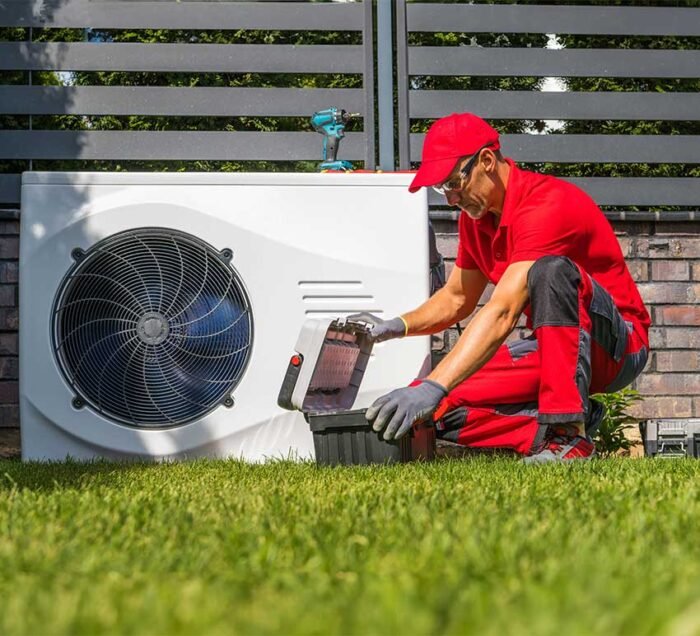
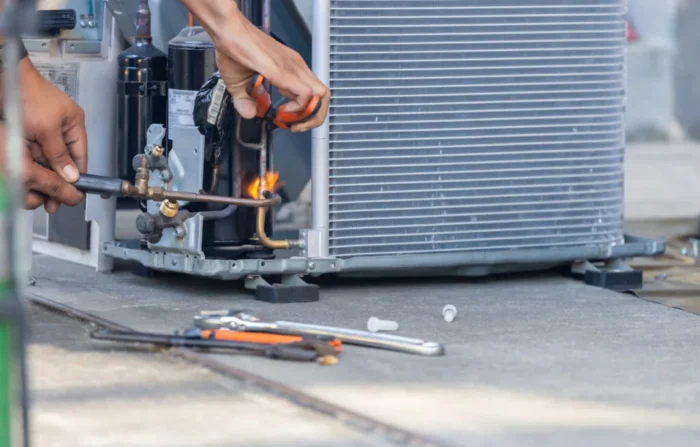
Professional technicians follow a detailed heat pump maintenance checklist during each visit. Understanding what happens helps you recognize quality service.
Initial System Inspection
The technician starts with a visual inspection. They check electrical connections, looking for loose wires or signs of corrosion. Faulty connections cause system failures and create fire hazards.
Next comes the filter check. Dirty filters restrict airflow and force the system to work harder. Technicians clean or replace filters based on their condition.
Refrigerant and Coil Service
Refrigerant levels get measured against manufacturer specifications. Low refrigerant reduces heating and cooling capacity. High levels damage the compressor. Proper charging ensures optimal performance.
Coil cleaning follows refrigerant checks. Outdoor coils collect dirt, pollen, and debris. Indoor coils can develop mold or dust buildup. Clean coils transfer heat more efficiently and improve indoor air quality.
Component Lubrication and Testing
The technician lubricates moving parts like fan motors and bearings. This reduces friction and prevents premature wear. They also inspect belts for cracks or looseness.
Thermostat calibration ensures accurate temperature readings. A miscalibrated thermostat causes short cycling and temperature swings. The technician tests all settings and modes.
Final Checks and Performance Measurement
Condensate drain lines get flushed to prevent clogs. Blocked drains cause water damage and encourage mold growth. Clear drains protect your home and maintain humidity control.
Finally, the technician measures system performance. They record temperatures, pressures, and airflow rates. These readings confirm everything operates within normal ranges.
A complete heat pump tune up takes 60 to 90 minutes. Rush jobs that finish in 20 minutes likely skip important steps.
You may read Furnace vs Heat Pump.
Benefits of Scheduling Twice-Yearly Maintenance
Regular maintenance delivers measurable returns on your investment. These benefits impact both your wallet and comfort.
Lower Energy Bills
Energy efficiency stays higher. Well-maintained heat pumps use 10 to 25 percent less energy than neglected systems. Clean coils, proper refrigerant levels, and lubricated parts all reduce power consumption. Lower energy use means smaller utility bills.
Enhanced Reliability
Fewer breakdowns occur. Annual heat pump maintenance catches small problems before they become major failures. A worn belt replaced during service costs much less than an emergency repair. Statistics show maintained systems experience 95 percent fewer breakdowns.
Better Air Quality and Comfort
Indoor air quality improves. Clean filters and coils mean cleaner air circulating through your home. Regular service removes mold, dust, and allergens from the system. This matters especially for family members with asthma or allergies.
Consistent comfort increases. Properly maintained heat pumps deliver steady temperatures without hot or cold spots. They switch smoothly between heating and cooling modes. Refrigerant stays at correct levels for maximum capacity.
Long-Term Value Protection
Equipment lasts longer. The average lifespan extends significantly with regular care. Replacing a heat pump costs thousands of dollars. Maintenance visits cost a fraction of that amount and delay replacement needs.
Warranty protection continues. Documented maintenance keeps manufacturer warranties valid. This coverage saves money if major components fail. Most warranties require annual service records.
Safety concerns get addressed. Technicians spot potential hazards like electrical issues or refrigerant leaks. Early detection prevents dangerous situations and protects your family.
Do Heat Pumps and Air Conditioners Need Different Maintenance?
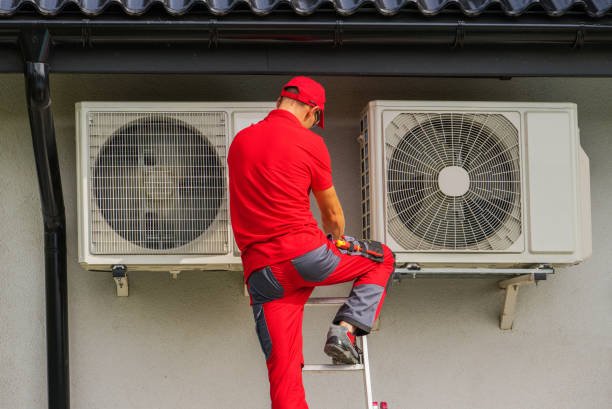
While they look almost identical from the outside, heat pumps have a few extra parts that standard AC units do not have. The most important part is the reversing valve. This valve allows the refrigerant to change direction. It is what makes it possible for the unit to switch from cooling your home to heating it.
During a service visit, a technician must test this valve specifically. If it sticks, you might get stuck with cold air blowing during a winter storm. They also check the defrost board. This part prevents ice from building up on the outdoor unit during freezing weather. These specialized components make a heat pump maintenance checklist much more detailed than a standard AC plan.
How Heat Pumps Differ From Other HVAC Equipment
A traditional furnace creates heat by burning fuel like gas or oil. A heat pump is different because it does not create heat. Instead, it moves heat from one place to another. In the winter, it pulls heat from the cold outdoor air and brings it inside. In the summer, it pulls heat out of your house and pushes it outdoors.
Because they move heat rather than creating it, they are incredibly efficient. However, this also means they rely heavily on perfect airflow. If the filters are clogged or the coils are dirty, the heat transfer process simply stops working. Understanding this difference helps homeowners see why specialized HVAC services in Murrieta are so important for these specific systems.
What’s the Connection Between Tune-Ups and Repairs?
Regular maintenance and repair needs have an inverse relationship. More maintenance means fewer repairs.
Early Problem Detection
During tune-ups, technicians spot early warning signs:
- A bearing starting to wear makes unusual noise
- A capacitor nearing failure shows reduced voltage
- Refrigerant levels slowly dropping indicate a small leak
- Electrical connections showing signs of corrosion
- Belts developing cracks before they break
Catching these issues early prevents complete breakdowns.
Cost Savings on Repairs
Small repairs during scheduled maintenance cost less than emergency service calls. Replacing a worn contactor during a tune-up takes minutes. Waiting until it fails means no heat or cooling until a technician arrives.
Maintenance extends time between major repairs. Systems receiving twice-yearly service need compressor or motor replacement less frequently. These expensive repairs often stem from neglected maintenance issues.
Documentation and Prediction
Technicians document system condition during each visit. This history helps identify patterns and predict future problems. Records show how quickly parts wear and when replacement might be needed.
Timing Matters
Seasonal transitions stress HVAC equipment most. Starting cooling mode after months of heating reveals weak components. Fall and spring maintenance appointments align with these critical periods. The system gets checked right before demanding work begins.
Emergency repairs during extreme weather cost more. Technicians charge premium rates for after-hours and weekend service. Summer and winter also bring high demand that extends wait times. Preventive maintenance reduces the chance of needing emergency help.
The Reliability Factor
Insurance against breakdowns comes from consistent care. While maintenance doesn’t eliminate all repairs, it dramatically reduces frequency and severity. Think of it as buying reliability for a small annual investment.
Why Local Expertise Matters for Your HVAC
Living in a place like Murrieta means your system deals with specific weather patterns, including dry heat and dusty winds. Local technicians understand how these environmental factors impact your coils and motors. They know exactly what to look for to prevent common local issues like clogged condensate drains or dust-clogged outdoor units.
Choosing a team that knows the local climate ensures your heat pump is calibrated for the specific temperatures we face. This local touch helps maximize your comfort while keeping your monthly utility costs as low as possible.
Conclusion
Taking care of your HVAC system is the best way to ensure long-term comfort and monthly savings. Regular care prevents small issues from turning into big, expensive headaches. Hutchinson Heating and Air provides expert HVAC services in Murrieta to keep your home running smoothly all year long. If you want to protect your investment and lower your energy costs, contact us today to schedule your next visit.
FAQ
Can I skip a year of maintenance if the unit seems fine?
Skipping a year might not cause an immediate breakdown, but it will definitely lower your efficiency. It also increases the risk of a small part failing without warning, which could lead to a much larger repair bill later.
How long does a typical service visit take?
A thorough inspection and cleaning usually take between 60 and 90 minutes. It is a small time investment for a full year of comfort.
Will maintenance help lower my utility bills right away?
Yes. A well-maintained heat pump can be up to 25% more efficient than a neglected one. Most homeowners see a difference in their next billing cycle.
Does a brand-new heat pump really need service?
Yes. Even new units need to be checked. This ensures they were installed correctly and are operating within the right parameters to keep your manufacturer warranty in good standing.