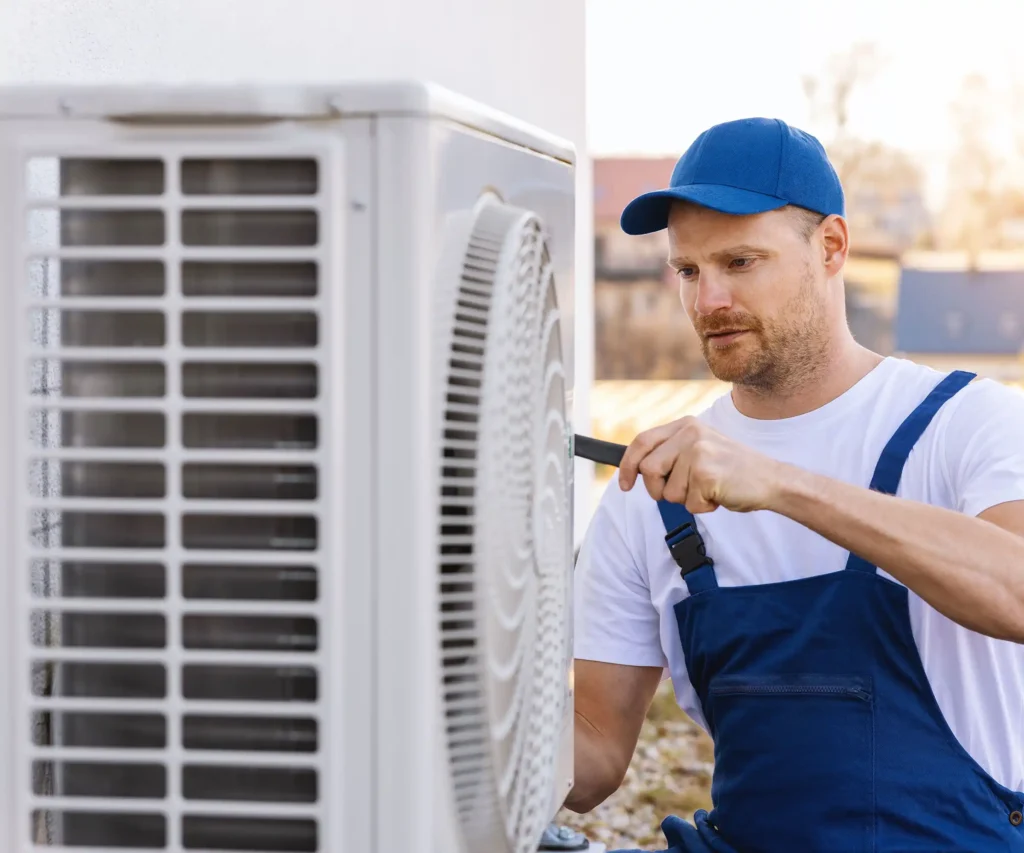
When sellers of HVAC systems make a sale to a homeowner or business owner, they expect the system to operate for years as they have marketed it to do. But a lot of systems are simply not working right not because of the equipment but because of bad installation. People ask: How many HVAC systems are installed incorrectly? The short answer: more than you may think. Improper installation is rampant, and often goes undetected until utility bills soar or comfort complaints arise.
In this post, we are going to discuss what the research says about installation mistakes, why they occur, and how to prevent the mistakes of HVAC system installation.
How Many HVAC Systems Are Installed Incorrectly? (Industry Estimates)
“Numbers vary based on location, training of the people installing the products, what kinds of products and homes, but what we see consistently through industry studies is:
- The Air Conditioning Contractors of America (ACCA) and National Institute of Standards and Technology (NIST) jointly conducted a report that is widely referred to in the industry, based on their analysis they predicted that approximately 75% of residential HVAC systems are improperly installed or the installers did not fully comply with manufacturer and industry standards.
- Other industry studies indicate that between 20 and 40% of HVAC systems do not achieve expected performance due to negligent installation as opposed to faulty equipment.
These statistics reveal a bigger problem: bad installation isn’t just an occurrence, it’s a certainty.
Why Does HVAC Improper Installation Happen?
There are numerous factors behind an HVAC system being installed wrong:
1. Lack of Proper Load Calculations
One of the most essential HVAC installation errors is not carrying out a correct load calculation. Numerous contractors size their equipment according to ‘rules of thumb’ instead of doing a thorough Manual J calculation—a calculation determining the amount of heating and cooling your specific building requires.
- The result? Equipment is oversized or undersized leading to short cycling, humidity problems, higher energy bills, and less comfort.
2. Poor Refrigerant Charge
An accurate refrigerant charge is key for the efficiency and life of the system. An overcharged or undercharged system also puts stress on components, which wears them out faster and reduces cooling capacity. “I think many of the technicians are not accurately determining how much refrigerant is in a system when they are putting it in.
3. Improper Ductwork Design
Even the finest HVAC system won’t perform right with bad ductwork. Errors include:
- Leaky ducts
- Ducts too small or too big
- Sharp bends or crimped sections
- Inadequate return air pathways
All of these problems create restrictions that limit airflow, efficiency, and can result in uneven comfort, and in some cases system failure.
4. Incorrect Thermostat Placement and Setup
A thermostat in a drought or in the sunshine can present inaccurate temperature readings. Wiring deficiencies or calibration misapplication also lead to comfort problems.
5. Skipping Manufacturer Guidelines
The installation of each HVAC unit has a unique set of guidelines. Failure to comply with them for any reason such as clearance, mounting, or electrical connections may affect the performance or even void the warranty coverage.
For professional and reliable HVAC installation, trust the experts at Hutchinson Heating and Air.
Common HVAC Installation Mistakes That Lead to Failure
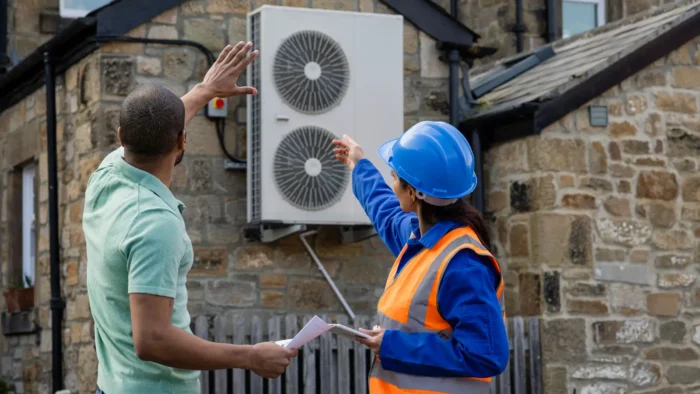
The consequences of bad installation go well beyond inefficiency when HVAC systems are installed incorrectly. Here are some common bad HVAC install problems:
Poor Airflow Management
An incorrect blower speed, closed vents, or unbalanced duct work can reduce airflow and cause short cycling and premature component failure.
Improper Refrigerant Lines
Lines that are too long, kinked, or under insulated result in refrigerant starvation or oil stacking, which wind turbines and HVAC compressors.
Incorrect System Matching
Using the incorrect (mismatched) indoor and outdoor units (such as a mismatched capacity) causes the system to work harder, be less energy efficient and could lead to early system failure.
Lack of Proper Startup and Testing
A greater effort should be made to test, balance and calibrate a new system. Some installers forgo this step to save time, resulting in unoptimized systems.
What Happens When HVAC Installation Is Poor?
An air conditioning system that experiences HVAC installation failure may exhibit the following:
- Energy bills are more than expected
- Uneven temperatures in your home or office
- Humidity issues that won’t go away
- Short cycling (turning on and off more than it should)
- Strange noises or shaking
- Shorter equipment life
Many times, it’s the equipment the homeowners blame when really what they have is a poor installation. It’s uncomfortable and can cost you a lot of money to fix.
Read More: What Does SEER Mean in HVAC?
Real Costs of Improper Installation
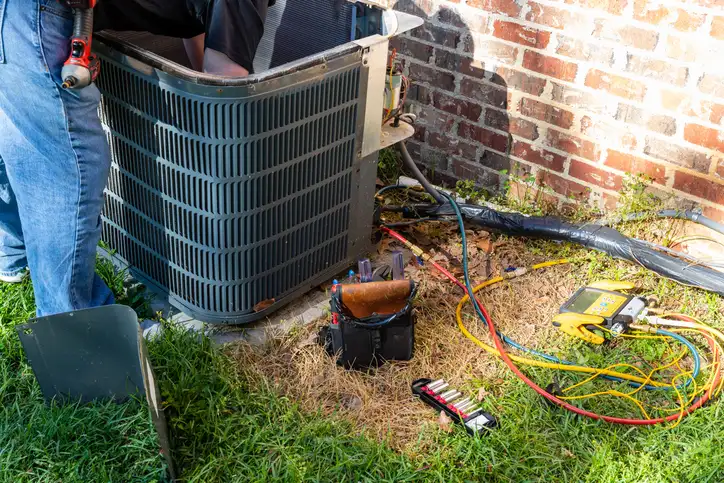
The result of a poor installation is more than just an uncomfortable new heat pump:
Higher Operating Costs
A poorly matched or installed system will consume more energy to provide the same comfort so much as 30% more than a properly installed system.
Shorter Equipment Life
HVAC parts stress out earlier. Compressors, motors and heat exchangers that fail prematurely.
More Repair Bills
Leaky ducts, restricted airflow, improper refrigerant charge, and electrical problems, are all adding to your maintenance bills.
Increased Warranty Issues
They might reject the warranty if the installation does not meet their standards.
Industry Standards for Quality HVAC Installation
To help prevent improper installations, standards and best practices are made available from a number of well-known industry organizations:
- ACCA (Air Conditioning Contractors of America): Manual J (load calculation), Manual D (duct design), Manual S (equipment selection)
- ASHRAE (American Society of Heating, Refrigerating and Air-Conditioning Engineers):Standard 90.1 Performance and Design
- Manufacturer guidelines: Unit-specific instructions for each unit.
Technicians that follow these standards provide quality installations that are more likely to run efficiently and reliably.
How to Avoid HVAC Installation Failure
And if you’re shopping for a new unit or replacement system, here’s what you need to know:
1. Ask for Load Calculations
A reputable contractor will do Manual J calculations. If they won’t, it’s a red flag.
2. Check Credentials
Seek out the NATE-certified technicians or installers with good reviews.
3. Insist on Proper Ductwork Evaluation
No installation is complete without the duct work being evaluated and tuned.
4. Get a Written Performance Agreement
A good install will itemize expected performance, airflow goals, and testing protocol.
5. Inspect After Installation
Have the refrigerant charge, airflow and controls setup verified by a third party or a knowledgeable HVAC tech.
Wrapping Up: How Many HVAC Systems Are Installed Incorrectly?
While there are various numbers, studies from the industry show a high percentage of HVAC systems are installed improperly often quoted as being up to 50-75% depending on region and quality of contractor. These problems cause high energy bills, discomfort, premature equipment failure, and unhappy homeowners.
Knowing what leads to bad HVAC installation helps you ask the right questions and choose contractors who truly deliver quality work. A properly installed system improves comfort, energy efficiency, and long-term reliability in your home. When planning heating installation in Murrieta, correct sizing, safe connections, and expert setup make all the difference. Poor installation can lead to high energy bills and frequent breakdowns. Trust Hutchinson Heating and Air for professional, reliable service. Call us today to schedule your heating installation and enjoy worry-free comfort.
FAQs
What is the $5000 rule for HVAC?
The $5000 rule helps decide repair vs replacement by multiplying the system age by repair cost. If the total is over $5000, replacing the HVAC system is usually the better option.
How many HVAC systems are installed properly?
Studies show only about 30–40% of HVAC systems are installed correctly. Poor sizing and improper setup are the most common reasons for failure.
What is the most common HVAC problem?
Dirty filters are the most common HVAC problem and restrict airflow. This causes poor performance, higher energy bills, and system strain.
What is the 3 minute rule for AC?
The 3 minute rule means waiting at least three minutes before restarting your AC after shutting it off. This protects the compressor from damage.
How cool should my house be if it’s 100 outside?
When it’s 100°F outside, a safe indoor temperature is around 75–78°F. Most AC systems are designed to cool about 20–25 degrees below outdoor temperature.