If your electric powered water heater isn`t generating sufficient warm water, makes popping noises, or takes too lengthy to warmness, it could be time to empty it. Draining an electric powered water heater is one of the maximum essential renovation responsibilities owners can do to increase the lifestyles in their unit and preserve it strolling efficiently.
Whether you`re looking to drain an electric hot water heater, need to realize the proper approach for draining an electric water heater, or you`re virtually searching out a step by step manual to right electric powered water heater draining, this entire academic will assist you do it correctly and correctly. At Hutchinson Heating and Air, we assist loads of owners keep and guard their water warmers each year. Below is the identical procedure our specialists use withinside the field—defined in simple, clear, and secure steps.
Table of Contents
ToggleWhy You Need to Drain an Electric Water Heater
Over time, minerals like calcium and magnesium settle at the lowest of your tank. This buildup of sediment:
- Reduces heating efficiency
- Causes water heater rumbling or popping sounds
- Traps warmness and overheats the tank
- Increases your electric powered bill
- Shortens the lifespan of the tank
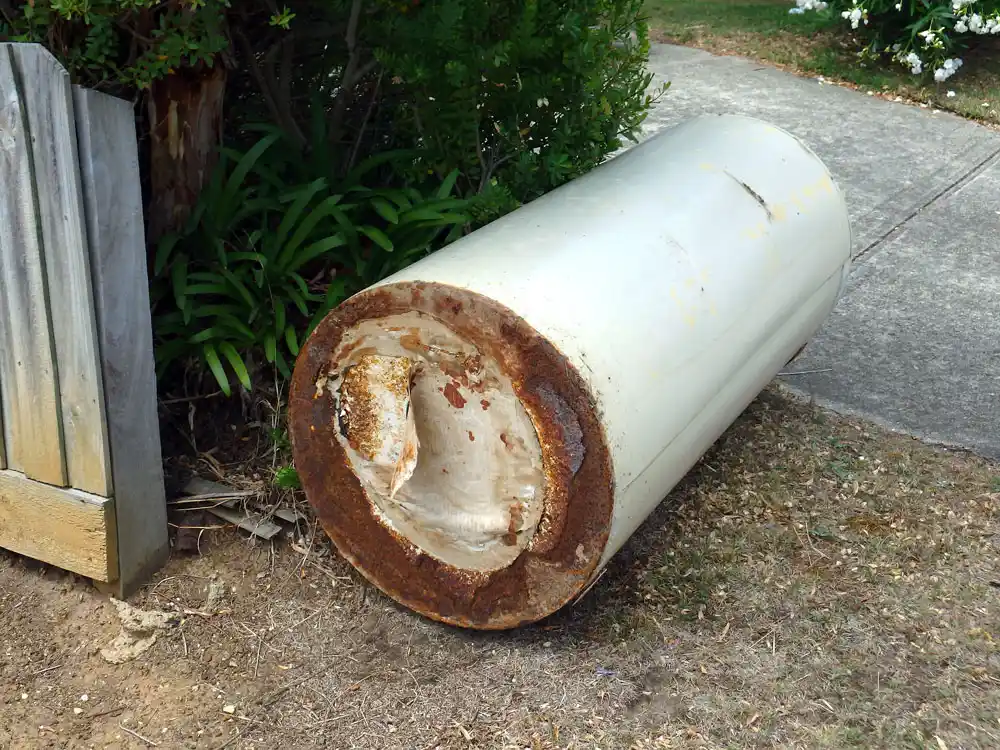
Failing to empty your water heater frequently can purpose the lowest of the tank to overheat and ultimately crack, main to a entire unit failure.
Most professionals—which includes our technicians at Hutchinson Heating and Air—suggest draining the tank each 6–12 months.
Tools You Need Before Draining a Water Heater
To correctly drain an electric water heater, acquire the following:
- Garden hose
- Bucket (optional)
- Flathead screwdriver
- Towel or rag
- Gloves
- Flashlight
- Nearby ground drain (optional)
Safety First: Before You Begin
Turn OFF the Power
- Electric water warmers use 240 volts, which may be deadly.
- Go for your electric panel, find the water heater breaker, and flip it OFF.
Allow the Water to Cool
- Wait at the least 1–2 hours after shutting off the power.
- Draining warm water can purpose burns.
Check for Leaks Before Draining
- If the tank is already leaking, touch us immediately. Draining a compromised tank can purpose flooding.
You may read How Long Does a Water Heater Take to Heat Up?
Step-by-Step Guide | How to Drain an Electric Water Heater
Below is the complete, secure system for correctly draining an electric powered water heater.
Turn Off the Cold Water Supply
- Locate the bloodless-water shutoff valve above the heater and flip it clockwise to forestall the water flow.
- This prevents greater water from filling the tank throughout the drain system.
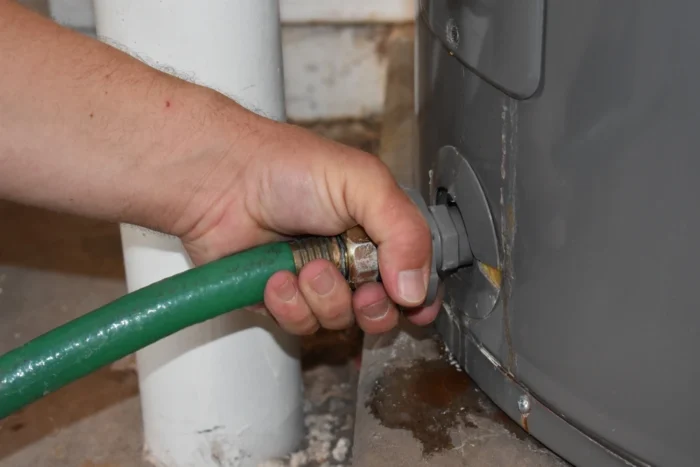
Connect a Hose to the Drain Valve
Attach a general lawn hose to the drain valve placed close to the lowest of the heater.
Make sure:
- The hose is tightly attached
- The different give up results in a ground drain or outside
If you`re draining right into a bucket, be organized to drain it numerous instances.
Open a Hot Water Faucet to Release Pressure
Go to any sink or bath in your private home and flip the recent water take care of ON.
This prevents vacuum stress and facilitates the tank drain faster.
Open the Drain Valve
Use a flathead screwdriver (or the valve take care of if yours has one) and slowly open the drain valve.
- Water must begin flowing.
- If water doesn`t come out:
- There can be heavy sediment blocking off the valve
Tap the valve lightly with a device or open/near it till sediment breaks free.
Flush Out Remaining Sediment
Once the tank is almost empty:
- Turn ON the bloodless water deliver in brief for 10–20 seconds
- Let it push out greater sediment
- Turn it OFF again
- Continue draining
- Repeat till water runs clean from the hose.
This step is essential—maximum owners overlook it, lowering the effectiveness of draining.
Close the Drain Valve and Remove the Hose
- Once the water is clean:
- Close the drain valve tightly
- Remove the hose
- Check for leaks across the valve
If the drain valve won`t near absolutely or drips, Hutchinson Heating and Air can update it.
Refill the Tank
- Turn the bloodless water deliver valve returned ON.
- Go to the sink tap you left open and wait till:
- Water flows smoothly
- No air bubbles are present
- This guarantees your tank is absolutely refilled.
Restore Power
- Once the tank is full, pass returned on your breaker panel and flip the water heater breaker ON.
- Never flip the energy returned on earlier than the tank is full
- Dry heating factors can burn out instantly.
Common Problems When Draining a Water Heater (and How to Solve Them)
Nothing Comes Out
- Sediment blockage is not unusualplace in older heaters.
- Try opening/ultimate the valve numerous instances or growth water stress with a brief bloodless-water burst.
Drain Valve Leaks After Closing
- Plastic drain valves frequently put on out.
- A leaking valve normally desires replacement.
Brown or Rusty Water
Indicates tank corrosion. Replacement can be wanted soon.
Water Drains Very Slowly
Sediment buildup is severe—expert flushing required.
When to Call Hutchinson Heating and Air
Draining a water heater is simple, however now no longer continually easy—in particular if:
- Your tank is 10+ years old
- The drain valve is clogged
- You see rust withinside the water
- The tank is leaking
- The breaker maintains tripping
- You have low warm water pressure
- Your tank takes too lengthy to refill
Our educated technicians can carry out a complete expert electric water heater draining, inclusive of sediment flush, valve inspection, heating detail test, and protection checks.
Conclusion
Learning how to drain an electric water heater is one of the simplest ways to prevent breakdowns and keep your hot water supply running smoothly. Regular electric water heater draining removes sediment, improves efficiency, lowers energy bills, and helps protect the tank from early damage. However, if your system hasn’t been serviced in years or you notice rust, leaks, or slow draining—professional help is the safest choice. That’s where Hutchinson Heating and Air is here to support you with reliable Temecula heater maintenance service. Contact our team today and keep your home warm, efficient, and worry-free with trusted local experts.
Ready to upgrade your HVAC system?
Contact us today for a free consultation and expert HVAC installation services tailored to your home and budget!
Frequently Asked Questions (FAQ)
How often should I drain an electric powered water heater?
Every 6–12 months, relying on water best and sediment levels.
Why is my electric powered water heater draining slowly?
Sediment buildup regularly blocks the valve, in particular in older tanks.
Can I drain an electric powered water heater myself?
Yes, however it calls for cautious coping with of electrical additives and warm water. If unsure, name a expert.
Does draining the water heater enhance performance?
Absolutely. It restores heating performance and extends lifespan.