Your water heater works hard every day to keep hot water flowing through your home. But inside that steel tank sits an unsung hero: the anode rod. This simple metal component prevents thousands of dollars in damage and keeps your water heater running for years longer than it would otherwise.
Most homeowners never think about what is a water heater anode until problems start. Rusty water, strange smells, or sudden leaks often signal a worn-out rod. Understanding how this part works can save you from emergency replacements and costly repairs down the road.
What is a Water Heater Anode and How to Maintain It
An anode rod is a long metal bar that hangs inside your water heater tank. Think of it as a bodyguard for your tank. The rod attracts corrosive elements in your water so they attack it instead of your tank walls.
The hot water tank anode rod typically measures between 36 to 42 inches long. It connects to the top of your tank through a threaded hex head. Most water heaters come with one rod, but some high-end models include two for extra protection.
The materials used matter. Manufacturers make these rods from magnesium, aluminum, or zinc alloys. Each material serves a specific purpose based on your water chemistry and heater type. Magnesium rods work best for most standard installations. Aluminum suits homes with hard water. Zinc rods help prevent that rotten egg smell some tanks develop.
Maintenance keeps your rod doing its job. Check it once per year during routine water heater service. At Hutchinson Heating and Air, we inspect anode rods during every maintenance visit for our water heater installation Murrieta CA clients. A visual check takes just minutes but can reveal important information about your tank’s health.
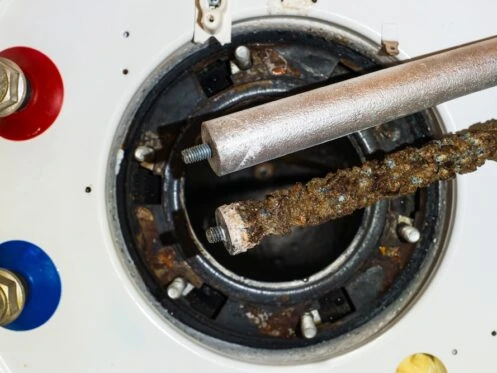
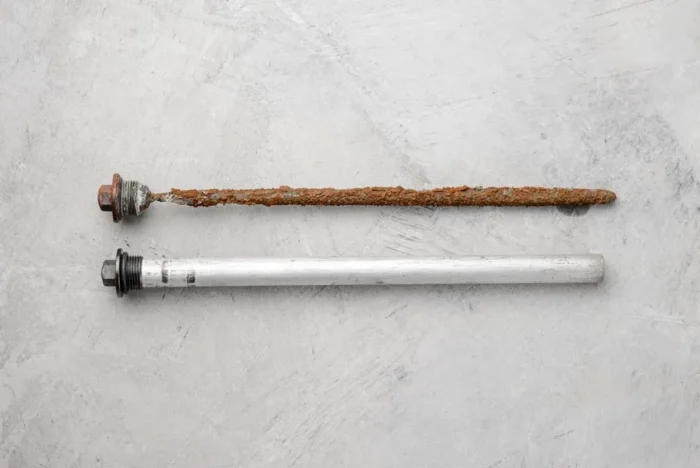
Replace the rod when it shows heavy wear. If more than six inches of the core wire is exposed, or if the rod measures less than half an inch thick, it needs replacement. Waiting too long leaves your tank vulnerable to rust and leaks.
How Does an Anode Rod Work?
The science behind anode rods involves a process called galvanic corrosion. Water contains dissolved minerals and oxygen. These elements naturally attack metal surfaces, causing rust and decay. Your steel tank would normally be the target.
But the water heater anode rod changes this equation. The rod uses metals that are more chemically reactive than steel. When corrosive elements enter your tank, they seek out the most reactive metal first. That’s always the anode rod.
The rod gradually dissolves as it attracts and neutralizes corrosive particles. This sacrificial process protects your tank walls from the same fate. Engineers call it a sacrificial anode because it literally sacrifices itself to save the tank.
Different water conditions affect how fast this happens. Hard water contains more minerals, which speed up corrosion. High water temperatures also accelerate the process. Homes that use more hot water put more stress on the rod because fresh, oxygen-rich water constantly enters the tank.
The gas water heater anode rod functions the same way in propane or natural gas units. However, gas heaters heat water faster and run at higher temperatures. This can wear out anode rods more quickly than in electric models.
The Importance of the Anode Rod
Your anode rod determines how long your water heater lasts. Industry data shows that tanks without functioning anode rods fail within five to seven years. Properly maintained rods can extend that lifespan to twelve years or more.
The financial impact is significant. A new water heater costs between $800 and $2,500 installed. Replacing an anode rod costs $100 to $300. That’s a tiny investment compared to buying a new tank.
Water quality in your home depends on this small component too. As tanks corrode without protection, rust particles contaminate your hot water. You’ll notice orange or brown discoloration in sinks, tubs, and showers. These particles stain fixtures and clothing.
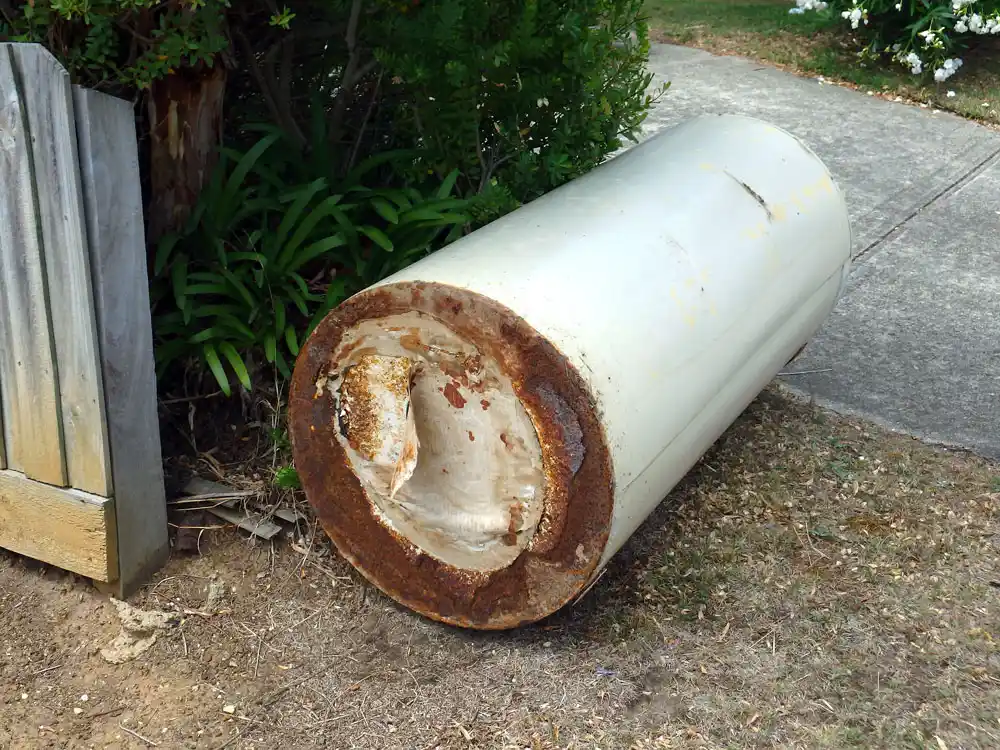
Tank leaks represent the worst-case scenario. Once rust eats through the steel, water floods your space. The average water heater leak causes $4,500 in property damage. Many homeowners insurance policies don’t cover damage from poor maintenance.
Energy efficiency drops as corrosion builds up inside tanks. Rust and mineral deposits act as insulation between the heating element and water. Your heater works harder and runs longer to reach the desired temperature. This wastes energy and drives up utility costs.
The purpose of anode rod protection extends beyond the tank itself. Your plumbing system benefits too. Corroded tanks release particles that clog faucet aerators, damage washing machines, and reduce water pressure throughout your home.
You may read How Long Does a Water Heater Take to Heat Up?
How Anode Rods Can Extend The Life Of Your Water Heater
Regular inspection catches problems early. Most manufacturers recommend checking your rod every two to three years. If you live in an area with hard water or use a lot of hot water, annual checks make more sense.
The inspection process is straightforward. Turn off power or gas to your heater. Shut off the water supply. Release pressure by opening a hot water faucet. Remove the hex nut on top of the tank that holds the rod. Pull out the rod and examine its condition.
A healthy rod shows minimal wear. You should see mostly intact metal with light surface corrosion. The original diameter remains close to its starting size. Replace rods that show heavy pitting, significant diameter reduction, or exposed core wire.
Some signs indicate problems without opening the tank. Rusty or discolored hot water points to a failing rod. A rotten egg smell means bacteria are reacting with a deteriorating anode. Popping or rumbling sounds suggest sediment buildup, which often accompanies rod failure.
Professional service ensures proper maintenance. Technicians have the right tools to remove stubborn rods. They can also check other critical components during the same visit. Our team at Hutchinson Heating and Air combines anode rod service with complete water heater inspections.
Powered anode rods offer an alternative to traditional sacrificial rods. These titanium units use a small electrical current to prevent corrosion. They never wear out and eliminate sulfur smell problems. The higher initial cost pays off through reduced maintenance needs.
Water softeners help extend anode rod life. Soft water contains fewer corrosive minerals. This slows the deterioration process significantly. However, you still need to check the rod regularly even with treated water.
Real-World Results from Proper Anode Maintenance
Homes that follow manufacturer maintenance schedules see tangible benefits. A study of residential water heaters found that tanks with replaced anode rods lasted an average of 3.5 years longer than neglected units. That translates to real savings for homeowners.
Temperature and pressure relief valve performance improves with good anode maintenance. Sediment buildup from tank corrosion can interfere with these safety devices. Clean tanks mean reliable safety systems.
The connection between water chemistry and rod life is clear. Homes with pH levels below 7 (acidic water) experience faster anode deterioration. Testing your water helps predict replacement schedules. Simple pH test strips cost less than $10 and provide valuable information.
Installation quality affects how well rods perform. Proper torque prevents leaks at the connection point. Using pipe sealant rated for potable water ensures safe, leak-free operation. Professional installation eliminates guesswork and potential problems.
Conclusion
The water heater anode rod stands between you and expensive tank failures. This simple component saves thousands of dollars through routine maintenance. Check your rod regularly, replace it when needed, and your tank will reward you with years of reliable service. Don’t wait for rusty water or strange smells to take action. Contact Hutchinson Heating and Air today for professional water heater inspection and anode rod service in Murrieta, CA.
FAQs
What is the anode in a water heater?
An anode is a metal rod that hangs inside your water heater tank. It’s made from magnesium, aluminum, or zinc and protects the tank from rust.
What is the purpose of an anode?
The anode attracts corrosive elements in water and corrodes itself instead of your tank. This sacrificial process extends your water heater’s lifespan by years.
What is the function of the anode rod?
The rod uses galvanic corrosion to draw rust-causing minerals away from tank walls. It dissolves slowly over time while keeping your steel tank protected.
How do I know if my hot water heater anode is bad?
Watch for rusty or discolored water and rotten egg smells from your hot water. These signs mean the rod has deteriorated and needs immediate replacement.