Imagine a severe winter storm knocking out power in your neighborhood. Will your furnace still provide heat? If you have an older model, the answer is often yes. However, modern high-efficiency furnaces typically rely on electricity for ignition, venting, and controls. Understanding the type of furnace you own is essential to determine whether you need a generator, an uninterruptible power supply (UPS), or a backup heating solution.
In this complete manual from Hutchinson Heating and Air, we give an explanation for precisely while a gas water heater needs electricity, what the not unusualplace gas water heater power preparations are, how the gas heater power sour /supply influences reliability and protection, and what the actual gas water heater power requirement looks as if in actual homes. We ladditionally cowl backup options, troubleshooting, maintenance, and solution the maximum not unusualplace property owner questions.
Table of Contents
ToggleThe Quick Overview — Does a Gas Water Heater Need Electricity?
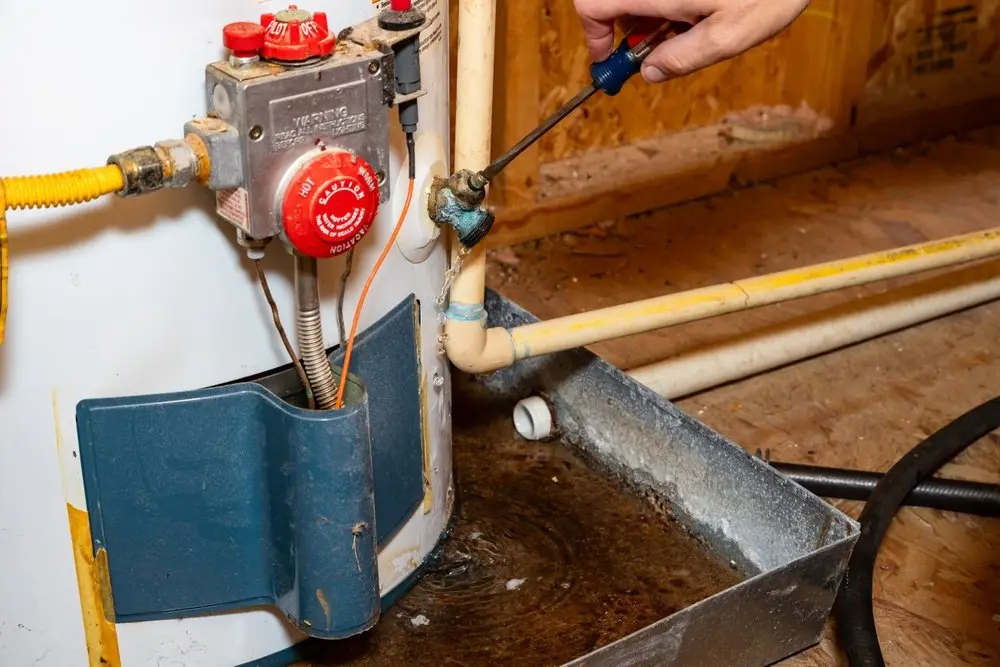
Do now no longer require power to provide warm water. The pilot flame burns constantly and could ignite the burner even at some point of an outage.
Electronic-ignition fueloline water warmers (present day tanks): Do require power — the ignition system, manipulate board, and protection sensors won`t paintings at some point of outages.
Power-vent and condensing fueloline water warmers: Require power for fans, pumps, and controls.
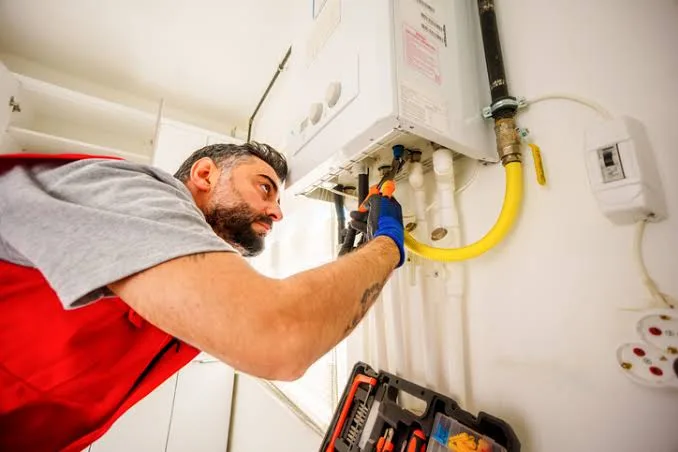
Tankless fueloline water warmers: Always require power for sensors, ignition, and controls.
So — whether or not your unit desires power relies upon on its design. Let`s dig into the details.
How Gas Water Heaters Use Power (What Actually Needs Electricity)
Modern fueloline water warmers have numerous electrically powered components:
Ignition structures: Electronic spark or warm-floor ignitors require small quantities of power to mild the burner (in contrast to a status pilot).
Control boards & protection sensors: Digital controllers, flame sensors, strain switches, and diagnostic electronics want non-stop low-voltage energy.
Power-vent blowers & exhaust fans: These forced-draft fans (on energy-vent and condensing gadgets) pass combustion gases; they run constantly while the burner operates.
Condensate pumps: Condensing gadgets may also want a pump to eliminate acidic condensate if gravity drain isn`t possible.
User interface & Wi-Fi features: Smart thermostats and Wi-Fi tracking want energy for presentations and communications.
Bottom line: If your unit has a plug, a virtual display, a fan motor, or a PVC vent, anticipate it desires power.
You may read How to Repair an Electric Hot Water Heater?
Common Configurations — What to Expect During Outages
Standing-pilot (atmospheric vent): Pilot lit continuously → warm water stays to be had till tank is depleted.
Intermittent/digital ignition (contemporary-day tank): No pilot → no warm water throughout outage due to the fact ignition and manage electronics are unpowered.
Power-vent / condensing heaters: Fan required for venting → unit will lock out with out strength for protection.
Tankless fueloline heaters: Relies on waft sensors, ignition, and modulating valves → no characteristic with out strength.
How Much Electricity Do Gas Water Heaters Use?
Gas gadgets draw an awful lot much less strength than electric powered-simplest heaters, however necessities vary:
Ignitor & controls: normally some watts to 3 dozen watts (intermittent).
Power-vent fanatics: typically 20–two hundred watts whilst running (non-stop throughout heating cycles).
Tankless electronics & pumps: can draw 100–500+ watts relying on version.
Generator/UPS planning: A small UPS can preserve manage electronics for a quick time however won`t reliably run fanatics or pumps. For extended outages or strength-vented gadgets, a generator sized to address non-stop fan and pump hundreds is recommended.
Safety & Code Considerations
Combustion venting: Power-vent and induced-draft structures rely on fanatics — working them with out right venting is dangerous. Systems encompass protection interlocks that save you operation if fanatics are unpowered.
Carbon monoxide (CO): Any venting failure or cracked warmness exchanger can motive CO hazards. Always have CO detectors hooked up and functioning.
Local codes: Many jurisdictions require positive venting, electric, and combustion air provisions. Only certified professionals (like Hutchinson Heating and Air) ought to adjust fueloline venting or electric connections.
Troubleshooting — How to Tell If Your Gas Heater Needs Electricity
Signs your fueloline heater is electrically structured:
- Digital display / blunders codes
- Visible strength wire or outlet nearby
- Audible fan/blower whilst firing
- PVC venting in place of steel flue
- Unit stops running throughout a strength outage
If your warm water stops throughout a blackout, you possibly have an electrically structured version.
Backup Options — Keep Hot Water When Power Fails
Whole-residence generator: Best for lengthy outages; strength complete domestic circuits such as water heater blowers.
Dedicated generator circuit: Smaller transportable generator devoted to the water heater`s circuit (have to be nicely sized and hooked up).
UPS for manage electronics: Useful for quick outages to keep electronics (won`t run fanatics/pumps).
Choose a non-electric powered version: In outage-susceptible regions, remember an atmospheric (standing-pilot) or non-powered direct-vent unit — however weigh performance trade-offs.
Hutchinson Heating and Air can suggest on sizing, switch switches, and secure generator integration.
Maintenance Tips & Best Practices
- Schedule annual service: test ignitor, manage board, fan motor, venting, and combustion.
- Keep vent terminals clean of snow/debris.
- Install and take a look at CO detectors close to slumbering regions and the equipment.
- If you’ve got got a strength-vent or condensing unit, look into condensate drains and pumps yearly.
- Document version electric specifications for generator sizing.
Conclusion
So, does a gas water heater need electricity? It depends on the model. Modern electronic-ignition, power-vent, condensing, and tankless gas water heaters require power for ignition, venting, and controls. At Hutchinson Heating and Air, we provide expert heating installation in Temecula, helping you choose the right system and backup solutions for your home. Ensure reliable heat and safety with our professional guidance. Contact us today to schedule your installation or consultation!
F&Qs — Frequently Asked Questions
Does a gas water heater paintings with out energy?
A: Only fashions with a standing pilot or non-electric powered venting will perform with out strength. Most present day tanks and all tankless gadgets require energy.
Why did my fueloline heater prevent running at some stage in a blackout?
A: If your heater makes use of electronic ignition, power venting, or has virtual controls, the ones structures want energy to ignite and vent safely.
Can I power my gas water heater with a UPS?
A: A UPS can preserve electronics alive in short however commonly won`t strength enthusiasts or pumps. For non-stop operation, use a generator sized to the unit`s power requirement.
How much generator potential is needed?
A: Check your unit`s nameplate for blower and pump wattage. Plan for motor beginning surge (3–5× jogging watts). Hutchinson Heating and Air can carry out a load calculation and endorse generator size.
Are strength-vent warmers more efficient?
A: Often yes — they permit higher combustion and bendy venting. They do require energy for the vent fan and can want a condensate drain.