A failed water heater rarely gives much warning. One morning the shower runs cold, or worse, you walk into the garage to find water pooling across the floor. Knowing when to replace hot water tank equipment before it fails is the difference between a planned upgrade and an expensive emergency.
At Hutchinson Heating and Air, we’ve walked into more than a few Temecula and Murrieta homes where a tank gave out overnight, and in almost every case, there were signs the homeowner simply didn’t recognize in time. This guide breaks down how long a tank should last, the ten warning signs that mean replacement is close, and how to tell a repair worth doing from one that’s just delaying the inevitable.
How Long Does a Hot Water Tank Actually Last?
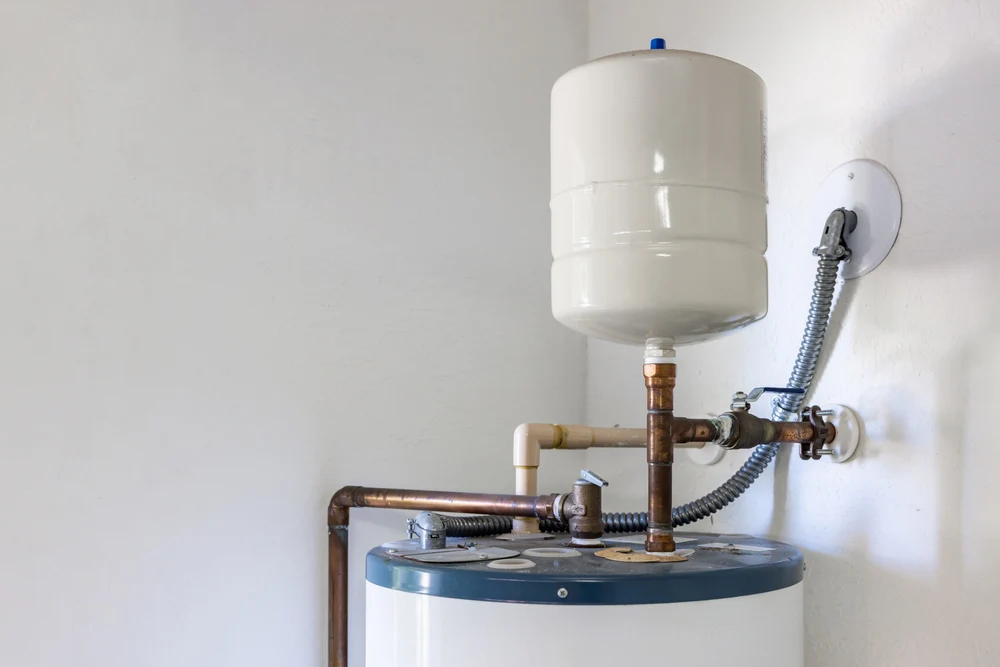
The honest answer depends heavily on the type of unit, your water quality, and how consistently it’s been maintained. Most manufacturers build tanks to last a specific range, but in our experience at Hutchinson Heating and Air, real-world results in Southern California often fall short of that number.
Gas vs Electric Water Heater Lifespan
A standard gas tank typically lasts between 8 and 12 years. The burner assembly and flue create more internal temperature swings than an electric unit, which accelerates wear on the tank lining over time. Electric water heaters tend to run a little longer, often 10 to 15 years, because the heating elements sit inside the tank and produce steadier, more even heat cycles. If you’re wondering how long does a hot water heater last in your specific home, the type of fuel source is usually the first thing worth checking.
Tank vs Tankless Lifespan
Traditional storage tanks store and continuously reheat 40 to 80 gallons of water, which means the metal is under constant thermal stress. Tankless units only heat water on demand, so there’s no standing reservoir wearing down the tank walls. That’s part of why tankless systems can last 15 to 20 years, nearly double the lifespan of a conventional tank, though they come with a higher upfront cost and different maintenance needs.
How Southern California’s Hard Water Shortens Tank Life
Temecula and Murrieta sit on some of the harder water in Riverside County, and that mineral content matters more than most homeowners realize. Calcium and magnesium deposits settle at the bottom of the tank and slowly bake onto the heating surface, forcing the unit to work harder to reach the same temperature.
Over several years, this sediment layer can shave two to three years off the expected lifespan of an otherwise healthy tank. It’s one reason the question of how long does a hot water tank last doesn’t have the same answer here as it might in a region with softer water.
10 Warning Signs It’s Time to Replace Your Hot Water Tank
Water Heater Is Over 10 to 15 Years Old
Age alone doesn’t guarantee failure, but it does raise risk substantially. Once a tank passes the manufacturer’s expected service life, the internal glass lining that protects the steel shell has usually broken down enough that corrosion is only a matter of time.
Water Leaking From the Tank
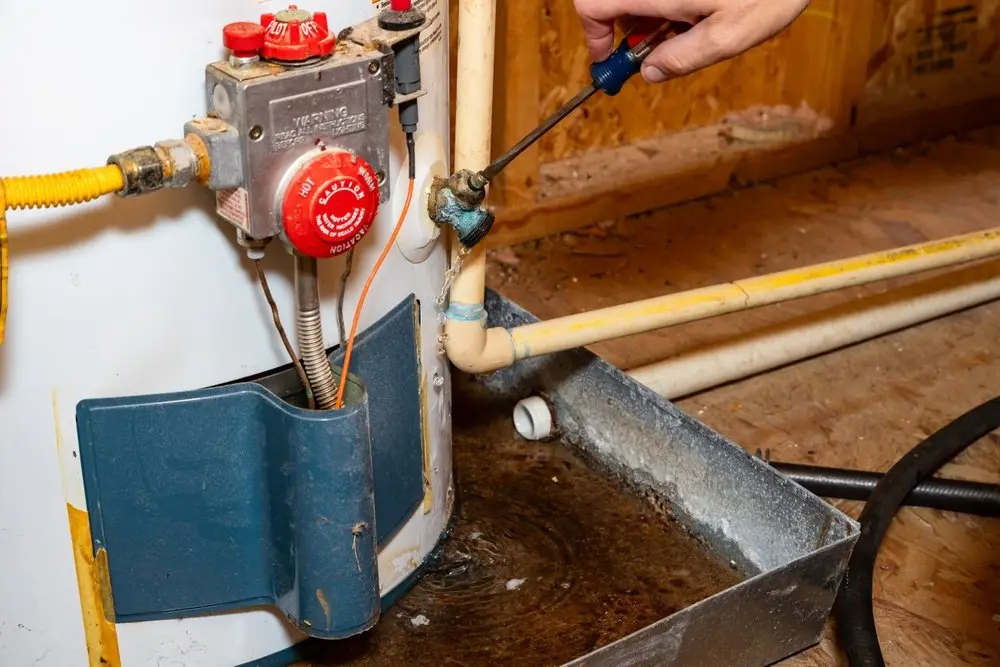
Any moisture around the base of the unit is a serious signal. Small leaks from fittings can sometimes be tightened, but water seeping from the tank body itself means the steel has cracked, and no repair fixes that. Replacement is the only safe option at that point.
Rusty or Brown Hot Water
If the hot tap runs discolored while the cold tap stays clear, the tank’s interior is rusting from the inside. This is different from a plumbing issue, and it typically means the sacrificial anode rod has already been consumed and corrosion has reached the tank wall.
Inconsistent Water Temperature
Water that fluctuates between hot and lukewarm during a single shower often points to a failing heating element or a thermostat that can no longer regulate temperature accurately. In older units, this inconsistency tends to get worse week by week rather than resolving on its own.
Not Enough Hot Water
Sediment buildup reduces the actual usable capacity of the tank, so a 50 gallon unit might only be delivering the performance of a 30 gallon one. If your household’s hot water needs haven’t changed but the supply has, sediment or a failing element is likely the cause.
Strange Rumbling or Popping Sounds
That popping noise is trapped water boiling underneath a hardened layer of sediment at the tank bottom. It’s not just annoying, it’s a sign the unit is working significantly harder than it should to heat water, which accelerates wear on every other component.
Rising Energy Bills
An aging tank loses efficiency gradually, so the increase in your utility bill can be easy to miss month to month. Southern California Edison rate increases play a role too, but if your usage habits haven’t changed and your bill keeps climbing, an inefficient tank is often part of the equation.
Frequent Repairs
One repair in ten years is normal wear and tear. Two or three service calls in a single year is a pattern, and it usually means the unit is entering a decline that repairs can only slow, not stop.
Visible Corrosion Around the Tank
Rust or flaking metal on the outside of the tank, especially near fittings or the base, tells you corrosion has already progressed. By the time it’s visible externally, the internal damage is typically further along than it appears.
Reduced Water Pressure
A drop in hot water pressure specifically, while cold water pressure stays normal, often means mineral buildup has narrowed the internal pipe connections or the outlet nipple inside the tank itself.
Repair or Replace? The 50 Percent Rule
When a tank starts having problems, the most useful question isn’t “can this be fixed,” it’s “should it be fixed.” A simple and reliable guideline is the 50 percent rule: if a repair costs more than half of what a new, professionally installed water heater would cost, replacement is almost always the better financial decision.
This matters because repair costs on an aging unit tend to stack. A homeowner might spend 300 dollars on a heating element this year, then 250 dollars on a thermostat next year, and still end up replacing the tank eighteen months later anyway. Servicing a hot water tank that’s already past its expected lifespan often turns into a series of small repairs that never actually solve the underlying problem, which is a tank nearing the end of its usable life.
What Happens If You Wait Too Long to Replace?
Delaying a replacement past the warning signs carries real risk. A tank that finally fails can rupture and release its full contents in minutes, which on a second floor or in a finished garage can mean thousands of dollars in water damage to flooring, drywall, and stored belongings.
Beyond the immediate damage, standing moisture from a slow leak creates ideal conditions for mold growth, particularly in enclosed water heater closets that don’t get much airflow. Waiting also means losing the ability to plan the replacement on your terms, which usually costs more than a scheduled installation.
Cost to Replace a Hot Water Tank in Temecula and Murrieta (2026)
Replacement costs vary based on fuel type, tank size, and installation complexity. As a general range for 2026 in this area, a standard gas tank replacement typically runs between 1,800 and 3,200 dollars installed, while electric units usually fall between 1,600 and 2,800 dollars. Tankless systems cost more upfront, often 3,500 to 5,500 dollars once installation and any necessary gas line upgrades are factored in.
A few local factors affect that final number. Riverside County requires a permit for water heater replacement, and that inspection process is built into a proper installation rather than something homeowners should try to skip. Homes on electric service should also account for current Southern California Edison rates when comparing gas versus electric operating costs long term, since the sticker price of the unit is only part of the total cost of ownership. If you’re weighing options for your home, our team at Heater Installation Temecula & Murrieta can walk through sizing and fuel type based on your household’s actual usage.
Should You Upgrade to a Tankless Water Heater?
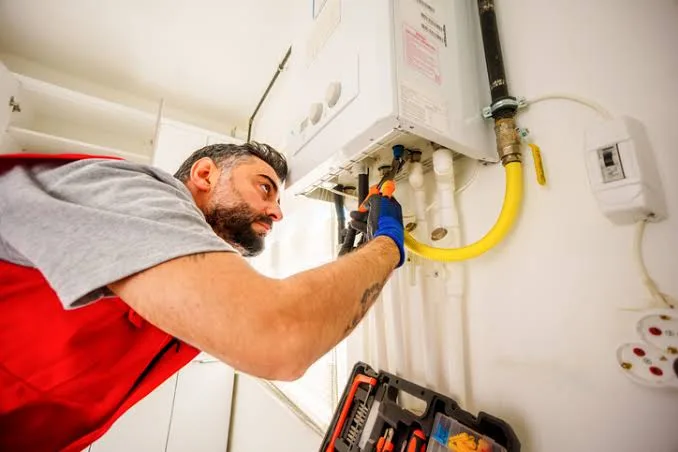
Tankless water heaters solve several of the problems that shorten the life of a traditional tank. Because there’s no standing reservoir of water, there’s less surface area for sediment to accumulate and less thermal stress on the unit over time. They also take up significantly less physical space, which matters in smaller garages or utility closets common in Temecula and Murrieta homes.
The tradeoff is upfront cost and, in some cases, the need for a larger gas line or dedicated electrical circuit depending on the model. For larger households with high simultaneous hot water demand, either a larger tank or a properly sized tankless unit can work well, but the right choice depends on your specific usage pattern rather than a one size fits all recommendation.
You may also read: Furnace vs Water Heater
How to Extend Your Water Heater’s Lifespan
Regular maintenance won’t make a tank last forever, but it meaningfully delays the point at which replacement becomes necessary. Flushing the tank annually clears out sediment before it hardens into a layer that reduces efficiency and traps heat against the tank walls. Checking the anode rod every two to three years is just as important, since this sacrificial metal rod is what corrodes instead of your tank, and once it’s fully depleted, the tank itself starts to rust. The pressure relief valve should also be tested periodically to confirm it’s not stuck, since a valve that fails to release pressure properly is a genuine safety concern.
Our lead technician Hector, who is NATE certified, recommends homeowners schedule a professional inspection once a year rather than waiting for a visible problem to show up. Small issues caught early, like a weakening anode rod or early sediment buildup, are inexpensive to address and can add real years to the life of a tank that would otherwise need replacing sooner.
Final Thought
Recognizing when to replace hot water tank equipment before it fails saves money, prevents water damage, and means you get to choose the timing instead of dealing with an emergency. If your unit is showing any of the signs above, or if it’s simply approaching the 10 to 15 year mark, it’s worth having a professional take a look before a small issue turns into a flooded garage.
Contact us at Hutchinson Heating and Air to schedule an inspection, and our licensed team, contractor license 842625, can help you decide whether servicing your current tank or moving forward with a replacement makes the most sense for your home.
Frequently Asked Questions
How often should I flush my hot water tank?
Most manufacturers and plumbers recommend flushing your tank once a year to prevent sediment buildup. Homes with harder water, which is common throughout Temecula and Murrieta, may benefit from flushing every six to eight months instead.
Is it cheaper to repair or replace a water heater?
It depends on the age of the unit and the cost of the specific repair. If a repair costs more than half the price of a new installation, or if the tank is already past 10 years old, replacement is typically the more cost effective long term choice.
How long do tankless water heaters last?
Tankless units generally last between 15 and 20 years, roughly double the lifespan of a standard storage tank. Regular descaling maintenance is required to reach that upper end of the range, especially in areas with hard water.
Do I need a permit to replace a water heater in Riverside County?
Yes, Riverside County requires a permit and inspection for water heater replacements. A licensed installer will typically handle the permit process as part of a standard installation.
What size water storage tank do I actually need?
Tank size depends on household size and peak hot water usage, not just the number of people in the home. A family that runs the dishwasher, does laundry, and showers within the same hour needs a larger capacity than one with more spread out usage, even if both households have the same number of occupants.