An AC leak may seem like a small problem at first, but it can quickly lead to higher energy bills, reduced cooling performance, and costly repairs. So, How Much Does It Cost To Fix An AC Unit Leak? The answer depends on the type of leak, its location, and the condition of your system. Water leaks are usually less expensive to repair, while refrigerant leaks often require more extensive work.
At Hutchinson Heating and Air, we help homeowners identify leaks early to avoid bigger problems. This guide covers common causes, repair costs, warning signs, and ways to prevent future AC leaks.
How Much Does It Cost To Fix An AC Unit Leak?
The average cost to fix air conditioning leak problems ranges from approximately $150 to $3,500 or more, depending on the source of the leak and the parts involved.
Minor water leak repairs are usually less expensive than refrigerant-related repairs. For example, a clogged condensate drain line may only require cleaning, while an evaporator coil refrigerant leak can involve extensive repairs or even coil replacement.
At Hutchinson Heating and Air, we often find that early leak detection helps homeowners avoid larger repair bills and prevents additional damage to their cooling system. The sooner a leak is diagnosed and repaired, the lower the overall cost is likely to be.
Average AC Leak Repair Cost
Most homeowners can expect to pay within the following ranges:
| Repair Type | Average Cost |
| Leak Detection | $150 – $600 |
| Refrigerant Leak Repair | $300 – $1,500 |
| Refrigerant Recharge | $200 – $1,200 |
| Drain Line Repair | $150 – $500 |
| Drain Pan Replacement | $250 – $850 |
| Evaporator Coil Repair | $600 – $2,000 |
| Evaporator Coil Replacement | $1,200 – $3,500 |
| Condenser Coil Repair | $700 – $2,500 |
These costs can vary based on local labor rates, equipment type, and refrigerant requirements.
AC Leak Repair Cost by Leak Type
The type of leak has the biggest impact on overall repair costs.
Water leaks generally involve clogged drains, damaged drain pans, or condensation issues. These repairs are often affordable and straightforward.
Refrigerant leaks are more expensive because technicians must locate the leak, repair the damaged component, pressure test the system, and recharge refrigerant afterward.
AC Leak Detection and Diagnostic Costs
Before repairs begin, technicians must identify the exact source of the leak.
Diagnostic testing may include:
- Electronic leak detection
- UV dye testing
- Nitrogen pressure testing
- Drain line inspections
- Coil inspections
Leak detection alone may cost between $150 and $600 depending on the complexity of the system.
What Causes an AC Unit Leak?
Understanding the cause of a leak helps explain why repair costs vary so much.
Refrigerant Line Leaks
Refrigerant lines can develop leaks due to vibration, corrosion, or physical damage. Even a small hole can reduce cooling efficiency and increase utility bills.
Corroded Evaporator Coils
Over time, chemical reactions between moisture and airborne contaminants can corrode evaporator coils. This is one of the most common causes of high ac refrigerant leak repair cost situations.
Damaged Condenser Coils
Outdoor condenser coils are exposed to weather, debris, and environmental contaminants. Damage to these coils can lead to refrigerant loss and expensive repairs.
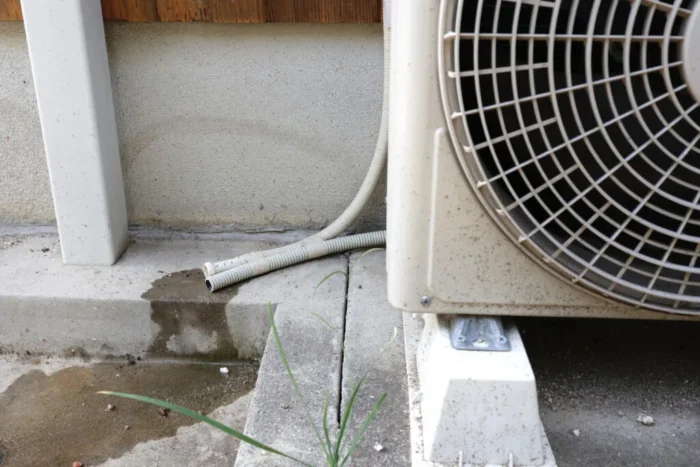
Clogged Condensate Drain Line
Dust, dirt, algae, and mold can block the drain line, causing water to back up into the home.
Cracked Drain Pan
Older systems often develop rusted or cracked drain pans. Water may leak around the indoor unit instead of draining properly.
Loose Connections and Fittings
Connections can loosen due to system vibration over time, allowing refrigerant to escape gradually.
Water Leak vs Refrigerant Leak: What’s the Difference?
Not all AC leaks are the same. Water leaks and refrigerant leaks have different causes, repair methods, and costs.
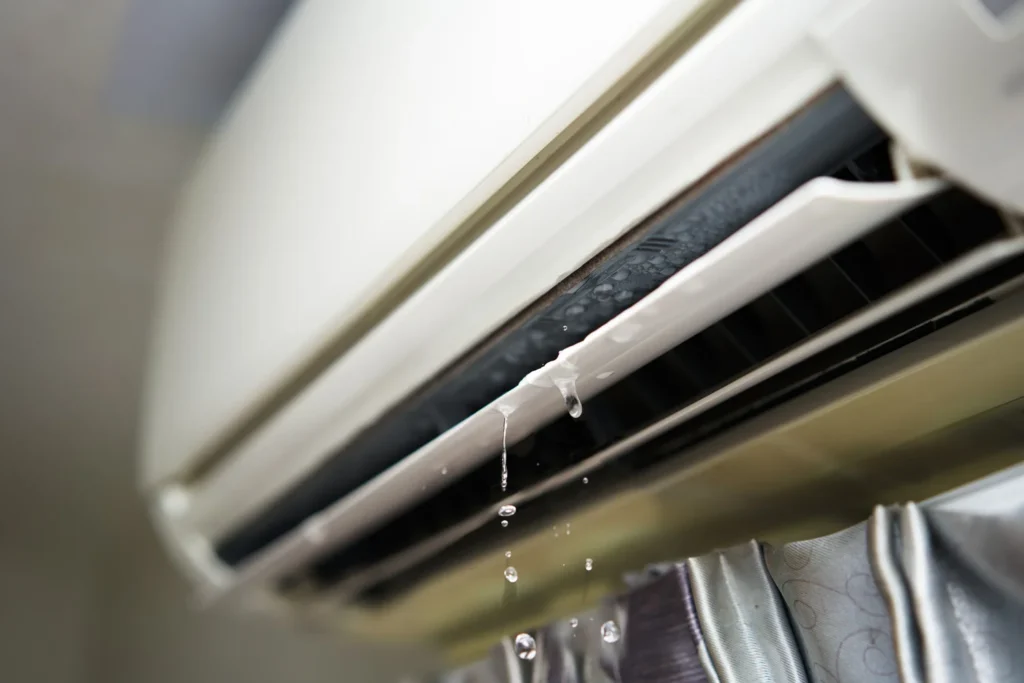
Signs of a Water Leak
Common signs include:
- Water around the indoor unit
- Damp flooring
- Ceiling stains
- Increased indoor humidity
- Musty odors
Signs of a Refrigerant Leak
Common refrigerant leak symptoms include:
- Warm air from vents
- Ice on refrigerant lines
- Reduced cooling performance
- Hissing sounds
- Longer cooling cycles
Which Type of Leak Costs More to Repair?
In most cases, ac refrigerant leak repair cost is significantly higher than ac water leak repair cost.
Water leak repairs often involve cleaning or replacing drainage components. Refrigerant leaks require specialized equipment, leak detection, repair work, and refrigerant replacement.
Which Leak Is More Serious?
Both leaks deserve attention, but refrigerant leaks are generally more serious because they affect cooling performance and can eventually damage the compressor.
Signs Your AC Unit Has a Leak
Recognizing leak symptoms early can help reduce the overall cost to repair refrigerant leak issues and prevent additional damage.
Water Around the Indoor Unit
Standing water near the air handler often indicates a clogged drain line or damaged drain pan.
AC Blowing Warm Air
A refrigerant leak can prevent the system from absorbing heat effectively, resulting in warmer indoor temperatures.
Ice on Refrigerant Lines
Low refrigerant levels can cause evaporator temperatures to drop below freezing.
Hissing or Bubbling Sounds
These sounds may indicate refrigerant escaping through a small opening.
High Energy Bills
Leaks force the system to work harder and run longer, increasing monthly operating costs.
Weak Airflow
Reduced cooling performance can make airflow feel weaker even when the blower is functioning normally.
Longer Cooling Cycles
An AC system with low refrigerant may run continuously without reaching the thermostat setting.
Factors That Affect AC Leak Repair Costs
Several factors influence total repair expenses.
Type of Leak
Water leaks are generally less expensive than refrigerant leaks.
Location of the Leak
Leaks in accessible areas are easier and faster to repair than hidden leaks inside coils or walls.
AC System Age
Older systems often require additional repairs or discontinued replacement parts.
Refrigerant Type
Some older refrigerants are more expensive and difficult to obtain, increasing overall repair costs.
Labor Costs
Labor rates vary depending on location and repair complexity.
Emergency Repair Fees
After-hours and weekend service calls often increase repair expenses.
Cost to Repair Different Types of AC Leaks
Refrigerant Leak Repair Cost
The average cost to repair refrigerant leak issues ranges from $300 to $1,500 before refrigerant recharge costs.
Evaporator Coil Leak Repair Cost
Evaporator coil repairs may range from $600 to $2,000 depending on the severity of the damage.
Condenser Coil Leak Repair Cost
Condenser coil repairs typically cost between $700 and $2,500.
Drain Line Leak Repair Cost
Most drain line repairs range from $150 to $500.
Drain Pan Leak Repair Cost
Replacing a damaged drain pan usually costs between $250 and $850.
AC Line Set Leak Repair Cost
Line set repairs commonly range from $300 to $1,200 depending on accessibility.
What Happens If You Ignore an AC Leak?
Ignoring leaks often leads to larger repair bills later.
Higher Energy Bills
The system consumes more electricity when operating inefficiently.
Reduced Cooling Performance
Comfort levels decline as the leak worsens.
Compressor Damage
Low refrigerant levels can overheat the compressor, leading to one of the most expensive HVAC repairs.
Water Damage to Floors and Walls
Water leaks may damage drywall, flooring, insulation, and ceilings.
Mold and Mildew Growth
Persistent moisture creates ideal conditions for mold growth.
Should You Repair or Replace an AC Unit With a Leak?
When Repairing Makes Sense
Repairing is usually worthwhile when:
- The system is under 10 years old
- The leak is isolated
- Repair costs are relatively low
- The equipment is otherwise in good condition
When Replacement Is the Better Option
Replacement may be more practical when:
- The system is over 12–15 years old
- Multiple repairs are needed
- Major components have failed
- Energy efficiency is poor
The 50 Percent Repair Rule
Many HVAC professionals recommend replacement if repair costs exceed 50% of the value of a new system.
AC Age and Replacement Considerations
Older units often experience repeated refrigerant and component issues, making replacement a smarter long-term investment.
Can You Fix an AC Leak Yourself?
DIY Tasks Homeowners Can Handle
Homeowners can safely:
- Replace air filters
- Clear visible debris
- Monitor drain line performance
- Keep outdoor units clean
Why Refrigerant Leaks Require Professional Repair
Refrigerant repairs require specialized tools, EPA-compliant procedures, and professional training.
Safety and Environmental Risks
Improper refrigerant handling can create safety hazards and environmental concerns.
How HVAC Technicians Find AC Leaks
Professional leak detection methods include:
Electronic Leak Detection
Sensitive detectors identify refrigerants escaping from components.
UV Dye Testing
Special dye helps technicians pinpoint small leaks.
Nitrogen Pressure Testing
Pressurized nitrogen reveals leak locations within the system.
Soap Bubble Testing
Technicians apply a solution that creates bubbles where refrigerant escapes.
How to Prevent Future AC Leaks
Preventive maintenance is one of the best ways to avoid expensive repairs.
Schedule Annual AC Maintenance
Routine inspections can identify problems before they become major repairs. Homeowners should consider professional AC maintenance in Temecula to keep systems operating efficiently throughout the cooling season.
Replace Air Filters Regularly
Dirty filters increase system strain and airflow restrictions.
Keep Evaporator Coils Clean
Clean coils improve efficiency and reduce corrosion risks.
Monitor Refrigerant Levels
Unexpected refrigerant loss often signals a developing leak.
Fix Small Problems Early
Addressing minor issues promptly can prevent larger repair expenses later.
Why Choose Us for AC Leak Repairs?
Choosing the right HVAC company matters when dealing with leaks. Accurate diagnosis is essential because simply adding refrigerant without repairing the leak only provides a temporary solution.
At Hutchinson Heating and Air, technicians focus on identifying the root cause of the problem, explaining repair options clearly, and helping homeowners make informed decisions based on system condition, repair costs, and long-term value.
Whether the issue involves a drain line blockage, evaporator coil leak, or complex refrigerant loss, proper repairs help restore comfort, efficiency, and reliability.
Final Thoughts
Understanding How Much Does It Cost To Fix An AC Unit Leak helps homeowners make smarter repair decisions before a small issue becomes a major expense. While some water leaks are relatively inexpensive to fix, refrigerant leaks often involve higher ac leak repair cost, increased labor, and refrigerant replacement expenses.
Addressing leaks early can reduce the overall cost to fix air conditioning leak problems, improve energy efficiency, and extend the life of your cooling system. If you suspect a leak, don’t wait for the problem to worsen. Contact us today to schedule a professional inspection with Hutchinson Heating and Air and restore your home’s comfort with confidence.
Frequently Asked Questions
How much does it cost to repair a leaking AC unit?
The total repair cost depends on the type of leak. Minor water leak repairs may cost a few hundred dollars, while major refrigerant-related repairs can exceed several thousand dollars.
Is it worth fixing an AC refrigerant leak?
In many cases, yes. If the system is relatively new and otherwise in good condition, repairing the leak is usually more affordable than replacing the entire unit.
Can an AC leak increase electricity bills?
Yes. Leaks reduce system efficiency and force the air conditioner to run longer to maintain indoor temperatures.
How long does AC leak repair take?
Simple repairs may take one to two hours. More complex refrigerant leak repairs and coil replacements can require several hours or multiple visits.
Can I run my AC if it has a leak?
Running an AC with a water leak may cause property damage, while operating a system with a refrigerant leak can lead to compressor failure. Repairs should be scheduled as soon as possible.