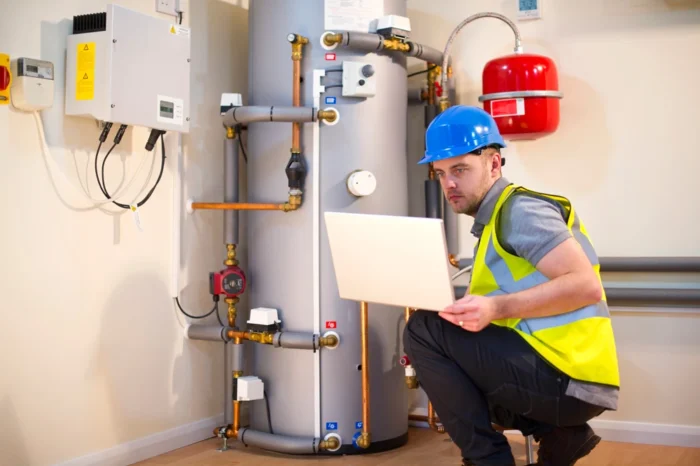
Many homeowners are looking for ways to save money on monthly energy bills while helping the environment. Understanding what is a hybrid water heater can help you decide if this technology is the right fit for your home comfort needs.
A hybrid water heater is a smart appliance that uses heat pump technology to pull warmth from the air to heat your water. It also has standard electric elements to help out when you need a lot of hot water at once.
How Does A Hybrid Water Heater Work?
A hybrid heat pump water heater does not create heat directly like a standard tank. Instead, it moves heat from one place to another. Think of it like a refrigerator working in reverse. While a fridge pushes heat out to stay cool, this system pulls heat in from the surrounding air to warm the water in the tank.
The process uses a refrigerant to absorb heat. A compressor then increases the temperature of that refrigerant. This heat is transferred to the water through a coil. Because moving heat takes less energy than creating it, a hybrid electric water heater is much more efficient than older models.
Hybrid and Traditional Water Heaters Differences
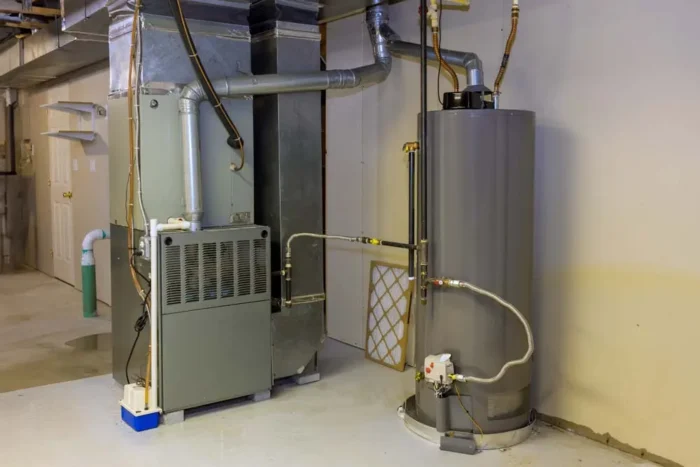
Traditional electric water heaters generate heat directly through resistance coils. They convert electricity into heat at a 1:1 ratio. Hybrid models move existing heat instead of creating it, which uses 60% less energy on average.
| Feature | Traditional Electric | Hybrid Electric Water Heater |
| Annual Operating Cost | $500 | $200 |
| Energy Efficiency | 90-95% | 250-300% |
| Tank Size Range | 20-80 gallons | 50-80 gallons |
| Space Required | Minimal | 1,000+ cubic feet |
| Recovery Time | 60-90 minutes | 90-120 minutes |
| Lifespan | 10-12 years | 12-15 years |
| Initial Cost | $500-$1,000 | $1,200-$2,500 |
A standard 50-gallon electric heater costs about $500 annually to run. A hybrid electric water heater running the same household drops that cost to roughly $200 per year. The savings add up to $3,000 or more over the unit’s lifetime.
Installation Requirements
Tank capacity works differently between models. Traditional heaters come in sizes from 20 to 80 gallons. Hybrid units typically range from 50 to 80 gallons because the heat pump technology requires more space inside the tank design.
Installation requirements separate these options as well. Standard electric heaters fit in tight spaces and closets. Hybrid systems need room for air circulation and access to ambient heat. Some homes require modifications to accommodate the larger footprint.
Recovery time shows another key difference. Traditional heaters take 60 to 90 minutes to reheat a full tank. Hybrid models need 90 to 120 minutes when using only the heat pump. However, the dual heating mode speeds this up when demand spikes.
Installation Requirements and Space Needs
To get the most out of this technology, proper placement is vital. These units need about 700 to 1,000 cubic feet of air around them to pull in enough heat. This usually means a room that is roughly 10 feet by 10 feet. If you put one in a small closet, it will not have enough air to work efficiently.
Since these units pull moisture from the air, they produce condensation. A professional installer must set up a drain line or a condensate pump. If you are looking for heating installation in Temecula Ca, our team at Hutchinson Heating and Air can evaluate your garage or utility room to ensure it meets these requirements.
Is a Hybrid Water Heater Right For Me?
This system is a great choice if you have a garage or basement with enough space. They are perfect for warm or moderate climates like we have here in California. In warmer air, the heat pump works even faster, making it an ideal local choice.
We recommend checking your electrical panel first. Most hybrids require a 30-amp, 240-volt circuit. If your home is older, you might need a quick panel upgrade. We can help you determine if your current setup is ready for this upgrade.
You may read How Long Does a Water Heater Take to Heat Up?
Tankless vs. Hybrid Water Heaters | Key Differences
Tankless systems heat water on demand without storing it. They provide endless hot water but at a different cost structure. Hybrid models store heated water and maintain it at set temperatures.
Performance Comparison
Energy efficiency varies by usage pattern. Tankless units excel when hot water use occurs in short bursts throughout the day. Hybrid heat pump water heaters perform better with steady, predictable demand from larger families.
| Aspect | Tankless | Hybrid |
| Hot Water Supply | Endless | Limited by tank size |
| Space Needed | Wall-mounted | Floor space required |
| Installation Cost | $1,500-$3,000 | $2,000-$3,500 |
| Lifespan | 20+ years | 12-15 years |
| Maintenance | Annual descaling | Filter cleaning quarterly |
| Flow Rate | 2-5 GPM | No flow restrictions |
Initial costs favor hybrids slightly. Quality tankless heaters range from $1,500 to $3,000 installed. Hybrid systems typically cost $2,000 to $3,500 after installation. However, tankless units often require expensive electrical or gas line upgrades.
Maintenance and Longevity
Maintenance needs differ too. Tankless heaters need annual descaling in hard water areas. Hybrid models require filter cleaning every few months and occasional drain valve flushing.
Lifespan expectations give tankless an edge. They last 20+ years with proper maintenance. Hybrid systems typically last 12 to 15 years before tank degradation requires replacement.
Water flow rate creates the biggest practical difference. Tankless heaters struggle when multiple fixtures run simultaneously. They deliver 2 to 5 gallons per minute depending on temperature rise. Hybrid tanks provide stored capacity for peak demand periods without flow restrictions.
Does Hot Water Run Out in Hybrid Water Heaters?
You do not have to worry about cold showers. These units are called “hybrid” because they have backup electric elements. Most models have different settings like “Heat Pump Only,” “High Demand,” and “Electric Only.”
If your family uses a lot of water for laundry and showers at the same time, the system switches to “high demand” mode. This ensures you have a steady supply of hot water just like a traditional tank. Once the demand slows down, it switches back to the energy-saving heat pump mode.
Conclusion
Understanding what is a hybrid water heater is the first step toward a more efficient home. These systems offer the reliability of a tank with the energy savings of a heat pump. If you need help choosing the best model for your home, Hutchinson Heating and Air is here to help. Contact us today for expert advice or a professional heating installation in Temecula Ca to start saving on your energy bills.
FAQs
1. What’s the difference between a hybrid water heater and a regular water heater?
A regular water heater stores and heats water in a tank, using energy constantly. A hybrid uses a heat pump to heat water more efficiently while still storing it.
2. Can you run out of hot water with a hybrid water heater?
It’s possible if demand exceeds the tank size, but hybrids recover hot water faster than standard tanks.
3. Which is better: a tankless or hybrid water heater?
Tankless heats water on demand and saves space, while hybrids handle high simultaneous usage and lower energy bills.
4. What is the most efficient type of water heater?
Hybrid (heat pump) and tankless water heaters are the most energy-efficient, while conventional tanks use more energy due to standby heat loss.