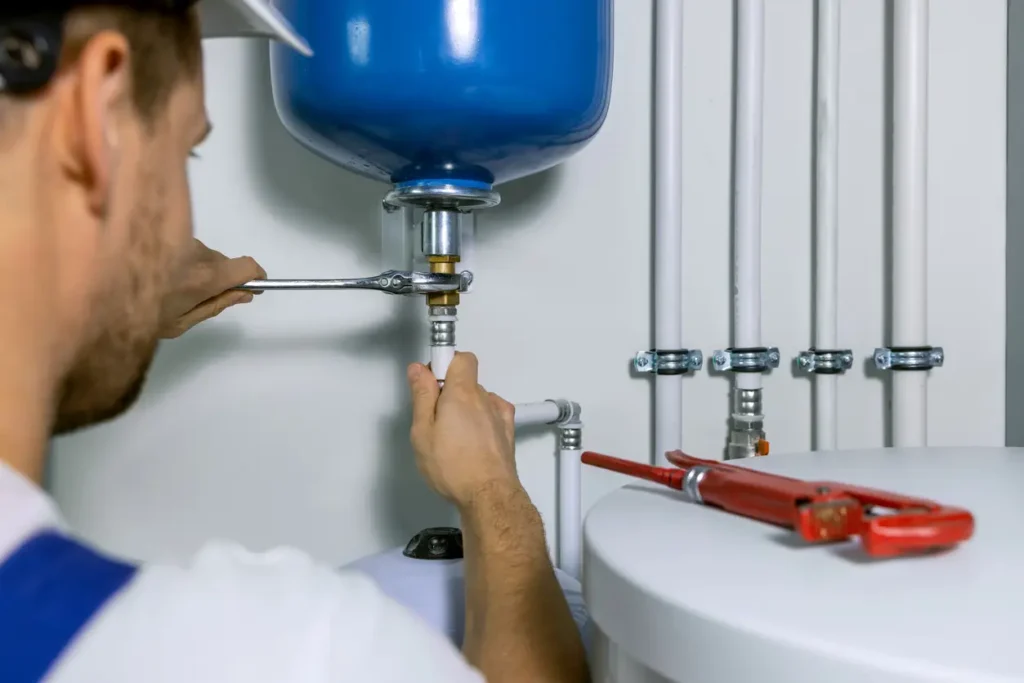
One of the most common questions we get from customers about electric water heaters is whether, is an expansion tank is required for water heater. The reason that some heaters need to cope with this expansion is that when water is heated, it expands. If this is not allowed for then heater tanks or pipes will fracture and split, causing a catastrophic failure of the heater.
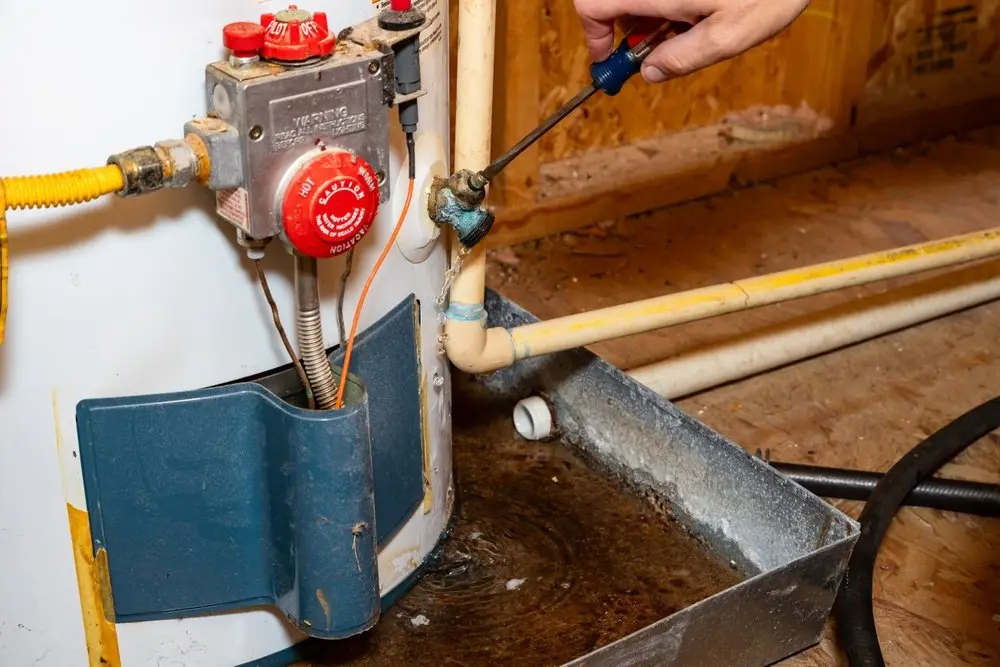
If you have an unvented water heater, you may have noticed a small tank attached to it or nearby. This is called an expansion tank, and it plays an important role in protecting your water heater and your plumbing system from excess pressure.
What is expansion tank?
An expansion tank is a device that contains a fixed amount of air and a flexible membrane. The air acts as a cushion that absorbs the extra volume of water that is created when the water in the heater is heated up. As water is heated, it expands by about 4% of its original volume. This expansion creates pressure in the system, which could damage the pipes, valves, or even the heater itself if not relieved.
The expansion vessel allows the water to expand into the air space without increasing the pressure in the system. The air pressure inside the vessel should be set at the same level as the incoming water pressure, typically 3 bar. As the water cools down, it contracts and returns to the heater, and the air pressure in the tank restores to its original level.
Tip
Water heaters last about eight to 12 years. A thermal expansion tank reduces wear on the heater and can prevent a tank blowout, potentially extending its life.
Do all water heater needs expansion tank?
Most modern-day water heaters are tankless, heating water on demand instead of keeping it stored, come with built-in thermal protection, or are installed within an open plumbing system. They don’t usually need an expansion tank, but older models with traditional tanks and closed plumbing do. So, when the question pop up in your mind that do I need expension tank for water heater? There is a answer, yes as per your plumbing system.
How to check what type of plumbing system you have
Don’t worry, we understand that interfering with any appliances that you do not fully understand can seem daunting, there are a few ways you can check whether your system is closed or open.
The determining component to tell if you have a closed plumbing system is the inclusion of backflow prevention devices, also known as pressure-reducing valves. These are often n-shaped pieces of pipework.
In most instances, you can find these in a utility room or outside of your property. If you’re unsure, you can always get in touch with a plumber to assess your situation and give recommendations on any next steps.
Read More: Cold Field Water Heater Meaning?
What Is a Closed Plumbing System?
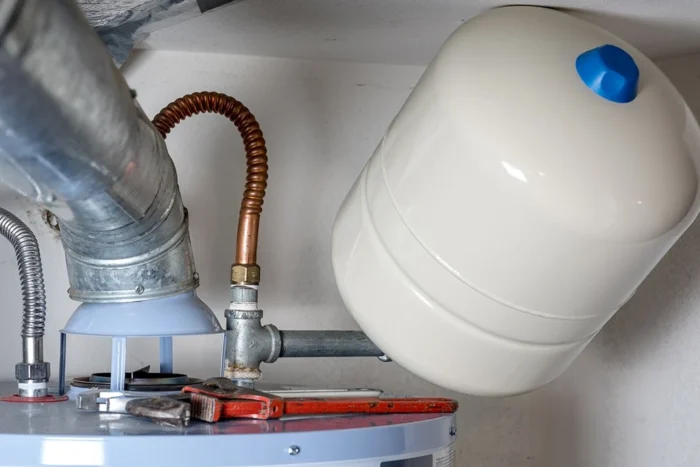
A closed plumbing system keeps water flowing one way, from your area’s main supply, into your home instead of letting any flow back in the event of a pressure buildup. They are put in place to keep public water supplies clean and can be identified through check valves connecting the pipes and backflow prevention devices near your water meter or where pipes enter your home.
If you have an older water heater, there are a few telltale signs you may need to install an expansion tank. Look for drips and leaks from your faucets, fluctuating water pressure, loud noises, and mineral deposits around your water pipes’ fittings.
These could all indicate stress on your plumbing system or pressure needing to be regulated and released from your pipes more frequently than it should.
What’s the Installation Process for a Water Heater Expansion Tank?
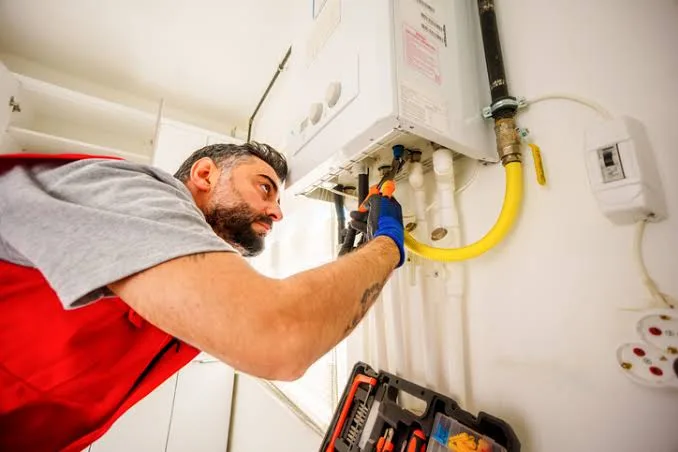
The installation process for expansion tanks is relatively simple. Because these tanks don’t occupy a lot of space in your home, they can be installed with minimal hassle. Your technician will begin by attaching a new supply line to the cold water entry port. Next, they will thread a copper adapter onto the union and ensure that the adapter is fully tightened. They will proceed to attach a tee fitting to the copper adapter to prepare it for the tank installation.
Once the expansion tank pipe has been added, the tank itself can be screwed onto the threaded adapter on the horizontal pipe. The technician will then complete the installation by connecting the top outlet on the tee fitting to the cold water supply pipe.
Read More: What Temperature to Set Water Heater?
What Size Water Expansion Tank Do I Need?
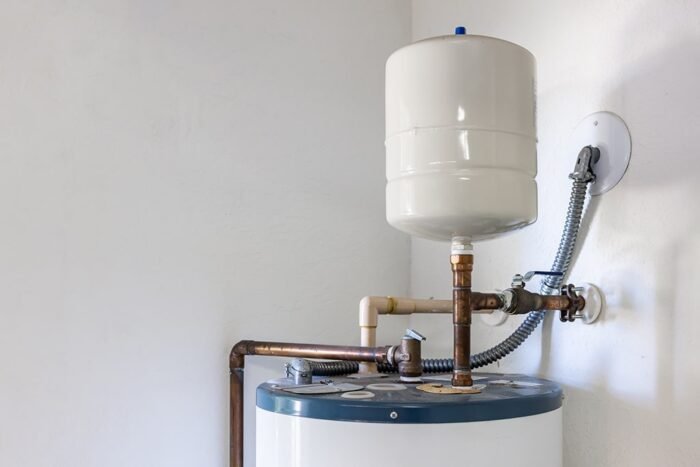
It is essential to ensure that your new water expansion tank is large enough to relieve the pressure from your main heater. Most homes need between two and five gallons, but the exact size will depend on the size of your water heater tank, the water pressure, and the starting and ending water temperatures.
- Start by checking your tank size using the sticker on your water heater.
- Next, test your home’s water pressure with a water pressure gauge.
- Finally, use a thermometer to check the temperature of your taps’ cold and hot water.
Once you have all the numbers you need, input the information into an expansion tank size calculator offered by brands Amtrol or Watts.
Water Heater Expansion Tank Costs
The price of a 2-4.4 water heater expansion tank on its own ranges from $40 to $200, and the cost of labor can fall anywhere between $50 and $150, depending on your area and the location and accessibility of your water heater tank.
The benefits of expansion tanks
You’ll be happy to know that having an expansion tank installed onto your system comes with a list of worthwhile advantages, potentially saving you valuable time and money in the long run.
Extended lifespan: Having an expansion tank has been shown to increase the lifespan of your water heater. During the natural process of water expanding and moving within the system, stress is caused to the tank and other components.
The expansion tank reduces this strain, in turn preventing any early failure and extending its lifespan.
Pressure regulation: Similarly to the above point, when water expands during heating, the expansion creates high pressure within a closed system.
An expansion tank helps regulate and relieve this pressure, preventing damage to the water heater, pipes, and other components of the plumbing system.
Energy efficiency: When there is excess pressure in the water heater system, the relief valve may activate to release the pressure, leading to the loss of valuable heated water and wasted energy! With an expansion tank, the excess pressure is absorbed and stored, reducing how much the pressure release valve activates.
As a result, less heated water is wasted. This will in turn lead to improved energy efficiency and lower your household energy bills.
Maintenance reduction: To expand on the above points, by increasing the overall health of your water heater system, you can naturally expect fewer maintenance issues and plumber call-outs over time, saving you time and money.

Conclusion
If you’re asking, is an expansion tank required for a water heater, the solution relies upon to your plumbing device. In mostly houses with a closed system, the answer is yes.
Many owners additionally wonder, is an expansion tank necessary on a water heater or Do I need an expansion tank for water heater installation. When strain can not accurately enlarge lower back into the primary line, a tank is strongly endorsed and frequently required with the aid of using code. In those cases, does a water heater want an enlargement tank will become a be counted of safety and compliance.
An expansion tank facilitates save you strain damage, leaks, and untimely device failure. For trusted heater services in Murrieta CA, contact Hutchinson Heating and Air Conditioning LLC today and schedule your professional inspection or repair with our local HVAC experts.
F&Qs
What happens if I don’t put an expansion tank on my water heater?
Water expands when it is heated, so traditional water heaters require expansion tanks to accommodate the pressure. If the expansion tank didn’t exist, then thermal expansion would lead to equipment failures and safety hazards. Most homes have closed systems, so water can’t flow back into the city’s pipes.
Is a hot water heater expansion tank required by code?
An expansion tank shall be installed in every hot water system. For multiple boiler installations, not less than one expansion tank is required.
How do I know if I need an expansion tank on my water heater?
You may need a water heater expansion tank if you experience frequent discharges from the temperature and pressure relief valve, fluctuating water pressure, loud noises from the heater, or mineral buildup around plumbing fixtures. Addressing these issues promptly can help maintain your system’s efficiency.
Do I need a 2 gallon or 4.5 gallon expansion tank?
Typically a 2-gallon expansion tank works with a water heater with a 40 to 60-gallon capacity and a psi of 40 to 50. A 4.5-gallon expansion tank is needed for larger water heaters, such as ones that hold 80 gallons with 80 psi.