It’s 6 a.m., the house is cold, and your heater is not working. Before you panic, most heater problems trace back to a handful of causes, many you can check yourself in under ten minutes. At Hutchinson Heating and Air, our NATE-certified technicians in Temecula and Murrieta get this call constantly, especially during the first cold snap when idle systems suddenly get put back to work.
This guide covers why your heater is not working, what you can safely check yourself, and when to call a professional. If your heater stopped working at home this week, you’re not alone.
Why Is My Heater Not Working? (Quick Answer)
In most cases, a heater not working comes down to one of these: the thermostat is set or programmed incorrectly, the air filter is clogged, the pilot light or ignition system has failed, the blower motor has stopped running, a breaker has tripped, or the ductwork is blocked or leaking. Roughly seven out of ten service calls we run in Temecula and Murrieta trace back to one of these six issues, and four of them are things a homeowner can check without any tools.
If your heater is not turning on but AC works fine, that’s actually a useful clue. It usually points to something specific in the heating circuit, like a bad ignitor, a blown fuse on the heating control board, or a thermostat wire that’s only used for heat mode. It tells you the electrical and thermostat system as a whole is functional, so the problem is narrower than it might feel.
Is It Safe to Troubleshoot Your Heater Yourself?
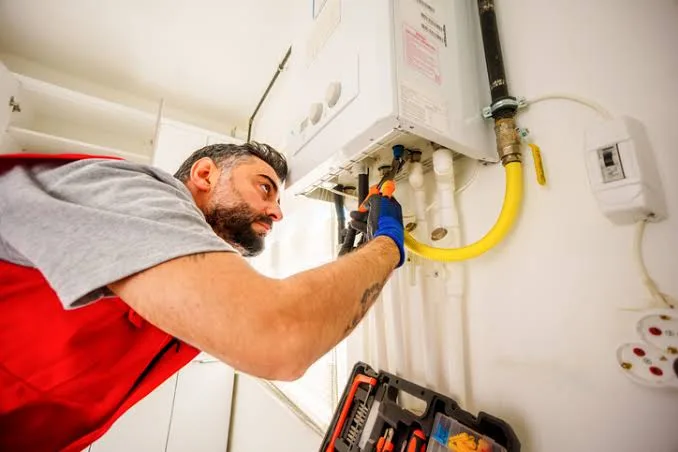
Yes, for the basics. Checking your thermostat, swapping an air filter, resetting a breaker, and confirming vents are open are all safe for any homeowner. Where we draw the line is anything involving the gas line, the burner assembly, the flame sensor, or the internal wiring of the furnace cabinet. Gas furnaces run combustion inside a sealed heat exchanger, and a technician needs specific tools to test for cracks or carbon monoxide leaks that you simply cannot see with the naked eye.
We’ve had homeowners in Murrieta try to relight a pilot light three or four times in a row without success, not realizing the thermocouple had failed and the gas valve was staying open longer than it should. That’s not a DIY situation. If you smell gas at any point, skip every other step in this guide and get out of the house first.
Common Reasons Your Heater Is Not Working
Thermostat Malfunction
This is the single most common reason we hear “my heater is not working” from a customer, and it’s also the easiest fix. Dead batteries, a schedule that reverted after a power outage, or the system accidentally set to “cool” instead of “heat” account for a huge share of no-heat calls. Smart thermostats add another layer: a firmware update or a lost Wi-Fi connection can sometimes cause the unit to stop sending a call for heat even though the display looks normal.
Dirty or Clogged Air Filter
A filter that hasn’t been changed in four or five months restricts airflow so badly that some furnaces will shut themselves down as a safety measure before they overheat. This is especially common in homes with pets or in newer construction with tighter duct systems, where airflow margins are already thinner than older homes.
Ignition or Pilot Light Problem (Gas Furnace)
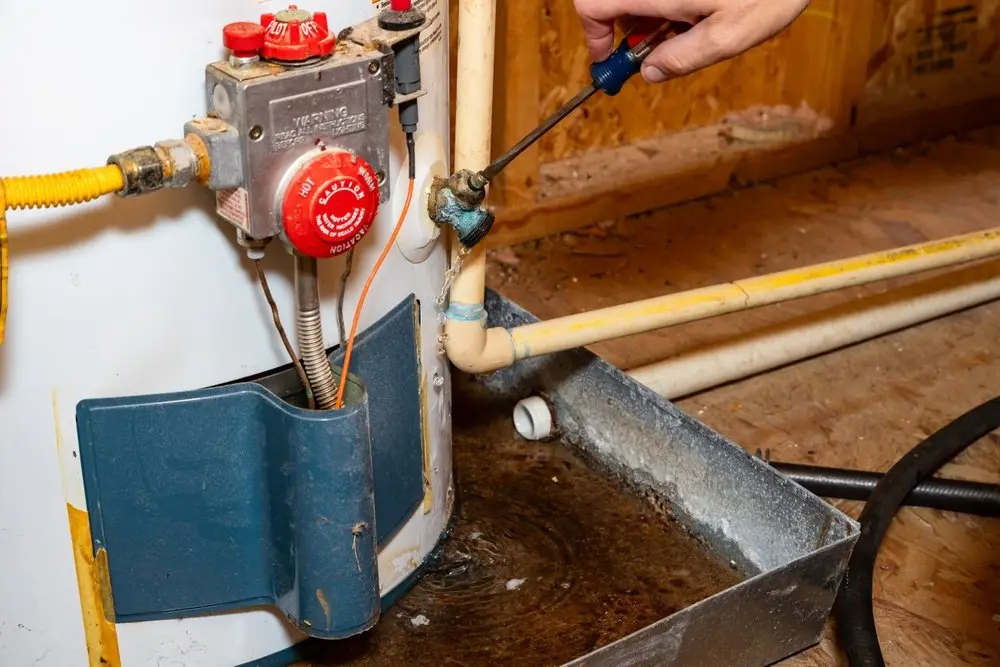
Older furnaces use a standing pilot light, while most systems installed in the last 15 years use an electronic ignitor or hot surface ignition. Both can fail the same way: the system tries to light, fails to detect a flame, and locks out after three attempts. This is one of the more frequent reasons a heater stopped working overnight with no warning at all.
Blower Motor Not Working
If you hear the furnace click on but never hear the fan, the blower motor or its capacitor may have failed. This is one of the more expensive component failures, and it’s also one where waiting can cause secondary damage, since heat can build up in the heat exchanger with no air moving through it.
Electrical Issues or Tripped Breaker
Furnaces, even gas ones, run on standard household electricity for the control board, blower, and ignition system. A tripped breaker, a blown fuse on the control board itself, or a loose wire connection at the disconnect box near the unit can all cause a total shutdown with zero warning signs beforehand.
Blocked or Leaky Ductwork
Ducts that have come loose, been chewed through by rodents, or were poorly sealed during installation can leak a surprising amount of heated air into your attic or crawlspace before it ever reaches your rooms. This doesn’t always present as “no heat,” but it’s a major contributor to weak or uneven heating throughout the house.
Heater Running But Not Heating Properly (Weak/Uneven Heat)
When the system runs but the air feels lukewarm or barely warm, the usual suspects are a partially clogged filter restricting airflow, a thermostat mounted in a spot that gets direct sun or sits near a heat-generating appliance (which throws off its reading), or ductwork that’s undersized or leaking for the square footage it’s serving. In two-story homes across Murrieta, we also see uneven heating simply because the system was never balanced properly between floors, something a technician can correct by adjusting the dampers in the duct system rather than replacing anything.
Heater Turning On and Off Frequently (Short Cycling)
Short cycling, where the unit fires up, runs for a minute or two, then shuts off, almost always points to overheating protection kicking in. A dirty filter is the top cause, but a failing flame sensor that intermittently loses its reading, or a furnace that was oversized for the home during installation, can produce the same pattern. An oversized unit heats the space too quickly, satisfies the thermostat, shuts off, and then has to restart minutes later, which also wears out components faster than a properly sized system would.
Step-by-Step DIY Troubleshooting Checklist
- Confirm the thermostat is set to “heat,” not “cool” or “off,” and that the target temperature is above the current room temperature.
- Replace the batteries in the thermostat if it uses them, even if the display still lights up.
- Check your electrical panel for a tripped breaker labeled for the furnace or air handler.
- Pull the air filter and hold it up to a light. If you can’t see light through it, replace it.
- Confirm all supply vents and the return air grille are open and unblocked by furniture or rugs.
- Look at the furnace’s status light (usually visible through a small window on the cabinet) and note the flash pattern, since manufacturers use it to indicate specific fault codes.
- If it’s a gas furnace with a visible pilot light, check whether it’s lit before attempting to relight it.
If you’ve gone through all seven steps and your heater stopped working at home is still your reality, it’s time to call a professional rather than keep guessing.
Strange Noises or Smells From Heater (Warning Signs)
A rattling sound often means a loose panel or a part that’s come slightly out of position, which is usually minor. Banging or a loud boom on startup can mean delayed ignition, where gas builds up before lighting, and that’s worth having inspected soon rather than later. A burning smell in the first hour of the season is normal as dust burns off the heat exchanger, but if it persists past that, turn the system off. If you ever smell gas, specifically a rotten egg odor, leave the house immediately, do not touch any switches, and call your gas utility’s emergency line before calling anyone else.
Warning Signs That Mean Stop and Call a Pro Immediately
Stop troubleshooting and call for professional help if you notice a gas odor, see visible soot around the furnace cabinet, notice the pilot light burning yellow or orange instead of blue, hear grinding or squealing from the blower compartment, or the system trips the breaker repeatedly even after resetting it. Each of these can indicate a safety issue rather than a simple maintenance item, and pushing through it yourself risks turning a repair into a much larger problem.
How Much Does Heater Repair Typically Cost?
Costs vary widely depending on what’s actually wrong. A thermostat replacement or a basic diagnostic visit tends to sit at the lower end, while a blower motor, control board, or ignitor replacement runs higher because of both part cost and labor time. A cracked heat exchanger is the most expensive repair, and in many cases, once a system reaches that point, replacement becomes more cost effective than repair. At Hutchinson Heating and Air, we always provide a clear, itemized diagnosis before any repair work begins, so you know exactly what you’re paying for and why, rather than getting a vague estimate after the fact.
Heater Repair vs Replacement: What’s the Better Option?
As a general guideline, if your system is under 10 years old and the repair cost is less than a third of what a new system would cost, repair usually makes sense. If the furnace is past 15 years old, has needed multiple repairs in the last two winters, or the repair involves the heat exchanger itself, replacement is typically the smarter long-term move. Age matters because parts availability drops off for older units, and repeated repairs on an aging system tend to add up to more than a replacement would have cost in the first place.
If you’re facing a repair decision right now, our Heater Repair Temecula & Murrieta team can walk through your specific system’s history and give you a straight answer on which direction makes more financial sense for your home.
You may also read: Furnace vs Water Heater | Which One Do You Need?
How to Prevent Heater Problems in the Future
Change your filter every one to three months depending on your household (pets and dust mean the shorter end of that range). Schedule a professional tune-up once a year, ideally in early fall before the system gets heavy use. Keep the area around your indoor unit and outdoor components clear of storage boxes, debris, and anything that restricts airflow. And test your system in “heat” mode once in early autumn, before you actually need it, so a failure shows up on a mild day rather than the first cold night of the year.
Final Thought
A heater not working is stressful, but most causes are identifiable once you know where to look, and several of them are fixable without calling anyone at all. When the fix goes beyond a filter change or a thermostat reset, that’s when experience matters, particularly with gas systems where safety is non-negotiable. Hutchinson Heating and Air has spent over 21 years diagnosing exactly these problems across Temecula and Murrieta homes, and our licensed, NATE-certified technicians can usually tell you what’s wrong within the first few minutes of a visit. Contact us today to schedule a diagnostic, and let’s get your home warm again before the next cold night hits.
FAQs
Why is my heater not turning on but the AC works fine?
This usually means the electrical and thermostat systems are working, but something specific to the heating side has failed, such as a blown fuse on the heat control circuit, a bad ignitor, or a thermostat wire dedicated to heat mode. It narrows the problem down significantly compared to a total system failure.
Is it normal for my heater to smell when I first turn it on for the season?
A mild burning smell in the first hour of seasonal use is normal, as it’s usually dust burning off the heat exchanger. If the smell continues beyond that first cycle or smells like gas rather than dust, turn the system off and have it inspected.
Why did my heater stop working overnight with no warning?
Sudden shutdowns are often caused by a failed ignitor, a tripped breaker, or a safety lockout after the system failed to ignite properly a few times in a row. These systems are designed to shut down rather than keep attempting to light indefinitely, which is a safety feature, not a malfunction.
How often should I replace my furnace air filter?
Most households should replace filters every 60 to 90 days, but homes with pets, allergies, or higher dust levels often need it every 30 days. A clogged filter is one of the most common reasons a heater is not working properly, so it’s worth checking first before anything else.
Can a thermostat issue really cause a total heater shutdown?
Yes. If the thermostat isn’t sending a call for heat due to dead batteries, a wiring fault, or an incorrect mode setting, the furnace itself may be in perfect working order and simply never receive the signal to turn on.