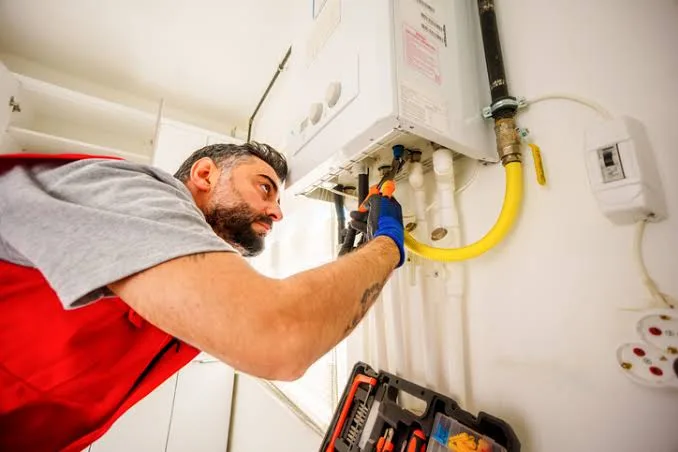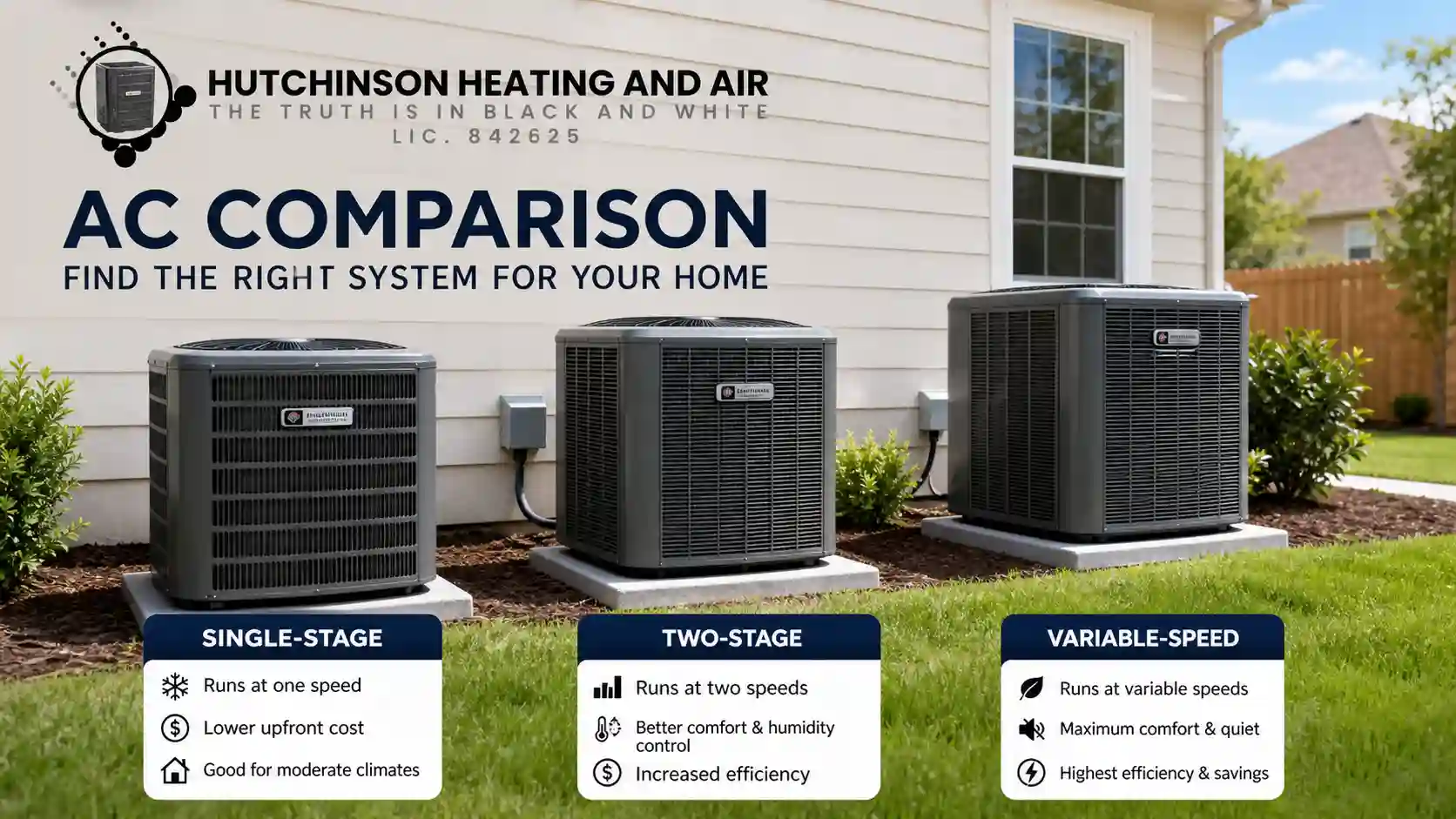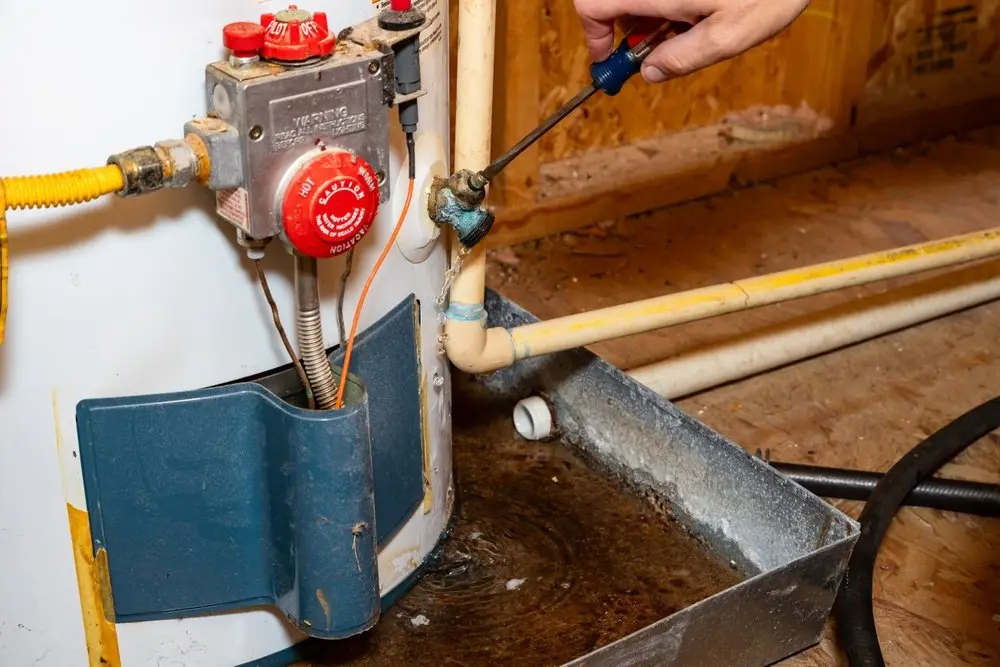

When your air conditioner stops working, many homeowners ask: why is AC replacement expensive compared to install? At first glance, both may seem similar since both involve installing a new unit. However, replacement is more complex because it includes removing the old system, fixing hidden issues, and upgrading components to meet current standards.
At Hutchinson Heating and Air, we often see customers surprised by the price difference. In real-world projects, replacement takes more time, effort, and planning than a new installation, making it more costly but often necessary for long-term comfort, efficiency, and reliable system performance.
Quick Answer | Why AC Replacement Costs More
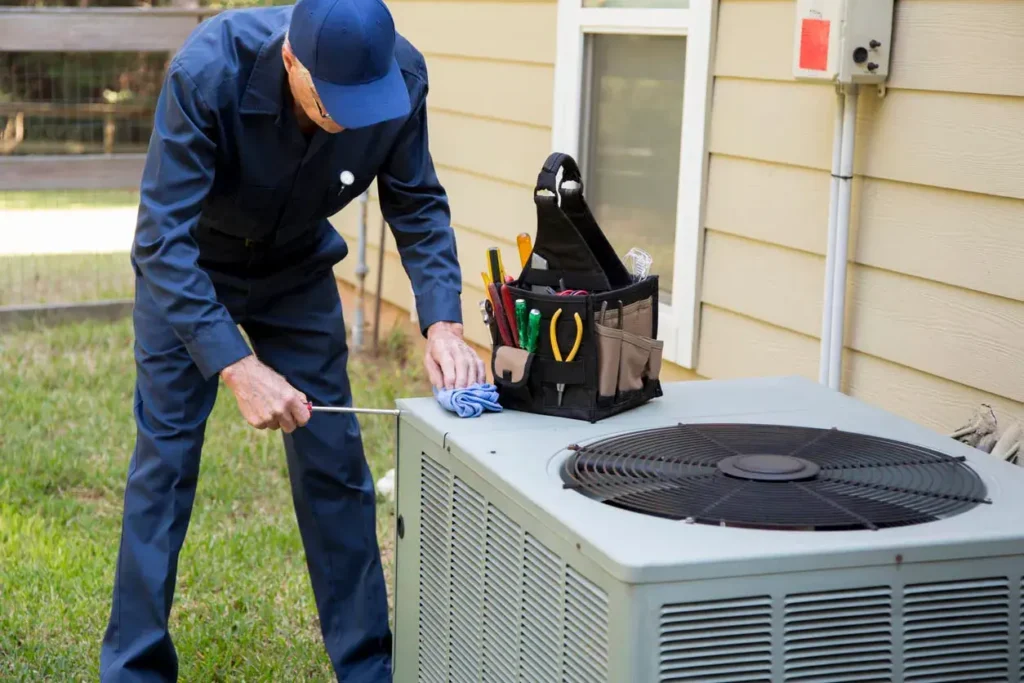
The short answer to why AC replacement is expensive compared to install is this: replacement includes removing the old system, fixing hidden issues, and upgrading components to meet modern standards.
At Hutchinson Heating and Air, we often explain that new installation happens in a clean setup, while replacement must work around existing conditions. This adds extra time, labor, and complexity, which is why replacement projects usually cost more than a straightforward installation.
AC Replacement vs New Installation | What’s the Real Difference?
What Is AC Replacement?
AC replacement means removing an old, existing system and installing a new one in its place. This process often includes:
- Removing old equipment safely
- Updating ductwork or electrical systems
- Ensuring compatibility with modern units
It is not just a swap, it’s a full upgrade in most cases.
What Is New AC Installation?
New AC installation usually happens in:
- Newly built homes
- Homes without an existing HVAC system
Because there is no old system to deal with, the process is more straightforward and predictable. This is why the cost of a/c installation in new homes can sometimes be easier to estimate.
Side-by-Side Comparison (Cost, Labor, Complexity)
| Factor | AC Replacement | New Installation |
| Labor | High | Moderate |
| Complexity | High | Low to Medium |
| Hidden Issues | Common | Rare |
| Time Required | Longer | Shorter |
Top Reasons Why AC Replacement Is More Expensive
1. The Hidden Work | Removing the Old System
Before installing anything new, technicians must safely remove the old system. This includes handling refrigerants like Freon, which requires proper recovery and disposal.
This step alone adds time, labor, and cost.
2. Old Ductwork Problems That Increase Cost
Many older homes have ductwork issues such as:
- Air leaks
- Poor insulation
- Incorrect sizing
Fixing or replacing ducts is often necessary. This is one of the biggest reasons why is AC installation so expensive when replacement is involved.
3. Electrical System Upgrades You Didn’t Expect
Modern AC systems require updated electrical support. During replacement, technicians may need to:
- Upgrade the electrical panel
- Replace outdated wiring
- Add new safety components
These upgrades are not usually needed in a planned new installation.
4. Matching New Equipment With Existing System
In replacement jobs, the new unit must work with existing components. This creates challenges like:
- Matching indoor and outdoor units
- Ensuring proper airflow
- Updating coils or connections
If parts are incompatible, additional upgrades are required.
5. Refrigerant Line and Efficiency Standards
Older refrigerant lines may not meet modern efficiency standards. Replacing them ensures:
- Better performance
- Lower energy bills
- Safe operation
Ignoring this step can lead to system failure later.
6. Permits, Codes, and Inspections
Replacement projects must meet current building codes. This includes:
- Permit approvals
- Safety inspections
- Code compliance updates
These requirements add to the overall cost of a/c installation in replacement scenarios.
7. Labor The Biggest Cost Factor
Labor is often the largest part of the cost. Replacement requires:
- Skilled technicians
- More working hours
- Problem-solving on-site
This explains clearly why AC replacement is expensive compared to install.
Cost Breakdown | AC Replacement vs Installation (2025)
Average AC Replacement Cost
In 2025, homeowners can expect:
- $6,000 to $12,000 for full AC replacement
This depends on system size, home condition, and upgrades.
Average New AC Installation Cost
For new installations:
- $4,000 to $10,000 on average
However, if ductwork is added, the question of how much will it cost to install central air conditioning becomes more complex, and costs can rise significantly.
Labor Cost Comparison
- Replacement labor: Higher due to complexity
- Installation labor: Lower in controlled environments
Material and Equipment Differences
Replacement often includes:
- New lines
- Updated thermostats
- Duct repairs
These additional materials increase cost.
The Hidden Costs Most Homeowners Miss
Many homeowners focus only on the unit price but overlook extras like:
- Smart thermostat upgrades such as Nest Thermostat
- Insulation improvements
- Air filtration upgrades
These upgrades improve comfort but increase total cost.
When Is AC Replacement Worth the Cost?
Replacement is usually the better option when:
- Your system is 10–15 years old
- Repairs are frequent
- Energy bills are rising
- Cooling performance is poor
If you are wondering is cheaper to repair or replace window air conditioner unit, the answer depends on age and condition. Older units are often more expensive to repair over time than replacing them.
Can New AC Installation Ever Cost More Than Replacement?
Yes, in some cases new installation can cost more:
- Homes without ductwork
- Large custom homes
- Complex layouts
In these cases, how much will it cost to install central air conditioning can exceed replacement costs.
You may also read: Why Is My AC Blowing Hot Air?
How to Keep AC Replacement Costs Under Control
Get Multiple HVAC Quotes
Compare pricing and services before deciding.
Choose Energy-Efficient Systems
Higher upfront cost, but lower long-term bills.
Replace During Off-Season
Prices are often lower in mild weather months.
Use Rebates and Tax Credits
Government incentives can reduce cost.
Expert HVAC Tips Before Replacing Your AC
Before moving forward, keep these practical tips in mind:
- Always size the system correctly
- Check duct condition thoroughly
- Work with experienced professionals
If you’re considering AC Installation Temecula & Murrieta, make sure your contractor performs a full inspection before recommending replacement.
Common Mistakes That Make AC Replacement More Expensive
Avoid these common errors:
- Choosing the cheapest contractor
- Skipping system inspection
- Reusing damaged ductwork
- Ignoring efficiency ratings
These mistakes often lead to higher long-term costs and poor performance.
Conclusion
Now you clearly understand why is AC replacement expensive compared to install. The higher cost comes from real work removal, upgrades, labor, and ensuring your system meets modern standards.
While replacement may seem expensive upfront, it often delivers better comfort, lower energy bills, and fewer repairs over time. If you’re unsure what option is best for your home, it’s always smart to get expert advice.
If you need help with your HVAC system, contact us today at Hutchinson Heating and Air for honest guidance and professional service you can trust.
FAQs
Why is AC replacement more labor-intensive?
Because technicians must remove the old system, fix hidden issues, and upgrade components. This adds more time compared to a simple install.
Is it cheaper to repair or replace window air conditioner units?
If the unit is older than 8–10 years, replacement is usually more cost-effective. Frequent repairs can quickly exceed the cost of a new unit.
How much will it cost to install central air conditioning?
Costs typically range from $4,000 to $12,000 depending on home size and ductwork. Homes without ducts may pay more.
Why is AC installation so expensive sometimes?
Costs increase due to labor, materials, permits, and system upgrades. Replacement jobs add even more complexity.
Can I reuse existing ductwork during replacement?
Sometimes yes, but only if it is in good condition. Damaged ducts should be repaired or replaced for better efficiency.