When summer temperatures climb, many homeowners ask, Can I Install an Air Conditioning Unit Into Any Wall? While it may seem like any wall with enough space can support an AC unit, that is not always the case. Wall location, structural strength, electrical access, drainage, and ventilation all play important roles in a successful installation.
Choosing the wrong wall can lead to poor cooling performance, water leaks, higher energy bills, and costly repairs. At Hutchinson Heating and Air, we help homeowners understand these requirements so they can choose the safest and most efficient location for their air conditioning system.
Can an Air Conditioning Unit Be Installed Into Any Wall?
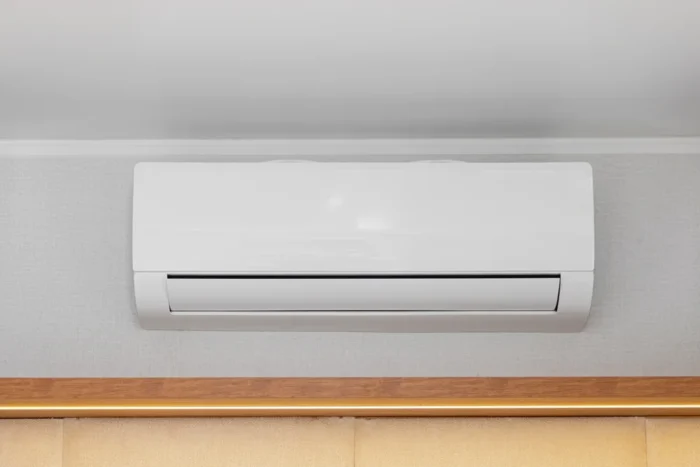
The short answer is no. Not every wall is suitable for air conditioner installation.
While many people assume that installing an AC unit in a wall is similar to installing a window unit, wall-mounted systems have specific structural, electrical, and ventilation requirements. A successful installation depends on several factors, including wall strength, exterior access, drainage options, and local building codes.
A wall that works perfectly for hanging shelves or artwork may not be able to support an air conditioning system. Likewise, a wall may have enough space but contain plumbing pipes, electrical wiring, or structural framing that makes installation difficult or unsafe. At Hutchinson Heating and Air, we often see homeowners underestimate these factors, which can lead to installation challenges and higher costs later.
Before beginning any wall mount AC unit installation, homeowners should evaluate:
- The wall’s structural integrity
- Access to the exterior of the home
- Electrical supply requirements
- Condensate drainage options
- Clearance for airflow
- Local building regulations
Understanding these factors helps prevent costly mistakes and ensures the system operates safely and efficiently.
Types of Air Conditioning Units That Can Be Mounted on a Wall
Different air conditioning systems have different installation requirements. Understanding the type of unit you plan to install is the first step.
Through-the-Wall Air Conditioners
Through-the-wall air conditioners are designed specifically for installation inside an exterior wall. Unlike window units, these systems sit inside a dedicated wall sleeve and vent directly outdoors.
Many homeowners choose this option because it provides a permanent cooling solution without occupying window space. However, installing an air conditioner through a wall requires cutting an opening in the wall and ensuring proper structural support.
Mini Split Air Conditioners
Mini split systems are among the most popular modern cooling solutions. The indoor air handler mounts on a wall, while refrigerant lines connect it to an outdoor condenser.
Although the indoor component can be mounted on many interior walls, line routing, drainage, and accessibility still affect placement options. A mini split is often more flexible than a traditional through-the-wall system.
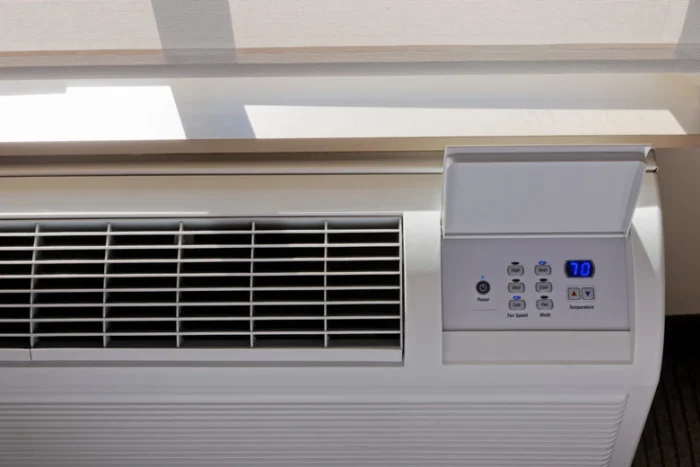
Packaged Terminal Air Conditioners (PTAC)
PTAC systems are commonly found in hotels, apartments, and commercial buildings. These units require a large wall opening and direct outdoor ventilation.
Because of their size and weight, PTAC installations often require significant structural planning.
Wall-Mounted Heat Pump Systems
Heat pumps provide both heating and cooling and are frequently installed as wall-mounted systems. Like mini splits, they require indoor wall space and outdoor equipment connections.
What Makes a Wall Suitable for Air Conditioner Installation?
Not all walls are created equal. Several factors determine whether a wall can safely support an air conditioning unit.
Structural Strength and Support
Air conditioners can be surprisingly heavy. A wall must be capable of supporting both the weight of the equipment and any vibration produced during operation.
Weak framing or damaged construction materials may lead to sagging, cracks, or structural issues over time. This is particularly important when installing an AC unit in a wall designed for permanent use.
Exterior Wall Access
Most through-the-wall systems require direct outdoor access.
The outdoor side of the unit releases heat generated during the cooling process. Without exterior access, the system cannot operate properly. This is one reason why interior walls are usually not suitable for traditional wall air conditioners.
Electrical Availability
Modern air conditioners often require dedicated electrical circuits.
Before starting an install AC through wall project, homeowners should verify that the electrical system can support the unit’s power requirements. In some cases, an electrical upgrade may be necessary.
Proper Condensate Drainage
Every air conditioner produces condensation during operation.
Without proper drainage, water can accumulate inside walls, creating moisture damage, mold growth, and insulation problems. A suitable wall location should allow water to drain safely away from the structure.
Airflow and Clearance Requirements
Air conditioners need adequate airflow both indoors and outdoors.
Installing a unit too close to furniture, cabinets, shrubs, or fences can reduce efficiency and increase strain on the equipment. Manufacturers typically specify minimum clearance distances that should always be followed.
Wall Thickness Requirements
Wall thickness also plays a role in successful installation.
Some systems are designed for standard residential wall depths, while others require extension sleeves or special mounting hardware. Verifying wall dimensions before wall mount AC unit installation helps avoid compatibility issues during installation.
Best Types of Walls for Air Conditioning Installation

Certain wall types are generally better suited for air conditioning systems.
Wood-Framed Walls
Wood-framed exterior walls are often the easiest to modify. Contractors can usually create openings while maintaining structural integrity through proper framing techniques.
Brick Walls
Brick walls offer excellent durability and support. However, cutting through masonry requires specialized tools and additional labor.
Concrete Block Walls
Concrete block walls provide strong structural support but often increase installation complexity. Professional equipment is typically needed when installing an air conditioner through a wall made of concrete.
Reinforced Exterior Walls
Reinforced exterior walls combine structural strength with direct outdoor access, making them one of the best options for permanent AC installations.
Walls That Are Usually Not Ideal for AC Installation
While some walls can easily support an air conditioner, others may create safety, performance, or structural concerns.
Interior Walls Without Outdoor Access
Traditional through-the-wall air conditioners are designed to release heat outdoors. Installing one in an interior wall prevents proper ventilation and can cause the unit to overheat.
Mini split indoor units are an exception because they connect to an outdoor condenser through refrigerant lines. Even then, line routing must be carefully planned.
Load-Bearing Walls
Load-bearing walls support part of your home’s structural weight. Cutting a large opening into one of these walls without proper reinforcement can weaken the structure.
This does not mean installation is impossible, but it often requires engineering review, permits, and additional framing work.
Walls With Plumbing or Electrical Lines
Many walls contain hidden wiring, water pipes, gas lines, or communication cables. Accidentally cutting into these systems can lead to expensive repairs and serious safety risks.
Before installing an AC unit in a wall, it is important to inspect the wall cavity and identify any obstacles.
Thin or Damaged Walls
Walls that are already cracked, weakened, or poorly insulated may not provide enough support for an air conditioner.
Damaged walls should be repaired before installation begins.
Historic or Specialty Construction Walls
Older homes often contain unique construction materials or architectural features. Modifying these walls may require special approvals or restoration techniques.
Can You Install an Air Conditioner in a Load-Bearing Wall?
Many homeowners wonder whether a load-bearing wall can support a wall air conditioner.
In most cases, the answer is yes but only when proper structural modifications are made.
Cutting an opening removes part of the wall’s support system. To compensate, contractors typically install reinforced headers and framing around the opening. These modifications help transfer structural loads safely around the new opening.
Professional evaluation is highly recommended whenever a load-bearing wall is involved. The cost of structural repairs caused by improper installation can far exceed the cost of doing the job correctly from the start.
Can You Install an Air Conditioner in a Brick or Concrete Wall?
Brick and concrete walls are among the strongest wall types available, but they also present unique installation challenges.
Installation Challenges
Masonry materials require specialized cutting equipment. Creating an opening in brick or concrete is more time-consuming than working with wood framing.
Tools and Equipment Needed
Professionals typically use:
- Concrete saws
- Masonry drills
- Diamond cutting blades
- Wall sleeves
- Structural anchors
Cost Considerations
Because of the additional labor and equipment involved, masonry installations generally cost more than standard framed-wall projects.
Pros and Cons
Advantages
- Excellent durability
- Strong structural support
- Long-term stability
Disadvantages
- Higher installation costs
- More complex modifications
- Longer installation time
Can a Mini Split Indoor Unit Be Mounted on Any Wall?
Mini split systems offer greater flexibility than traditional wall air conditioners, but they still have placement requirements.
Indoor Wall Placement Rules
The indoor unit should be mounted high enough to distribute air evenly throughout the room. It should also be installed on a wall capable of supporting the equipment’s weight.
Refrigerant Line Requirements
The wall must allow access for refrigerant lines, electrical wiring, and condensate drainage tubing.
Common Installation Mistakes
Some homeowners place mini split units:
- Too close to ceilings
- Behind furniture
- Above heat-producing appliances
- On walls with poor structural support
These mistakes can reduce efficiency and comfort.
How to Choose the Best Wall for an Air Conditioning Unit
Choosing the right location is just as important as selecting the right equipment.
Room Size Considerations
The unit should be positioned where cool air can reach the entire room. Installing the system in a corner may limit air distribution.
Sunlight Exposure
Walls exposed to direct afternoon sunlight can increase indoor heat gain. In some cases, choosing a shaded wall can improve cooling performance.
Air Distribution Throughout the Room
Airflow should move freely across occupied spaces. Avoid placing units where large furniture blocks circulation.
Distance From Doors and Windows
Frequent air leakage around doors and windows can reduce cooling efficiency. Strategic placement helps maintain consistent indoor temperatures.
Accessibility for Maintenance
Future cleaning, filter replacement, and servicing should also influence wall selection.
Step-by-Step Guide to Installing a Through-the-Wall Air Conditioner
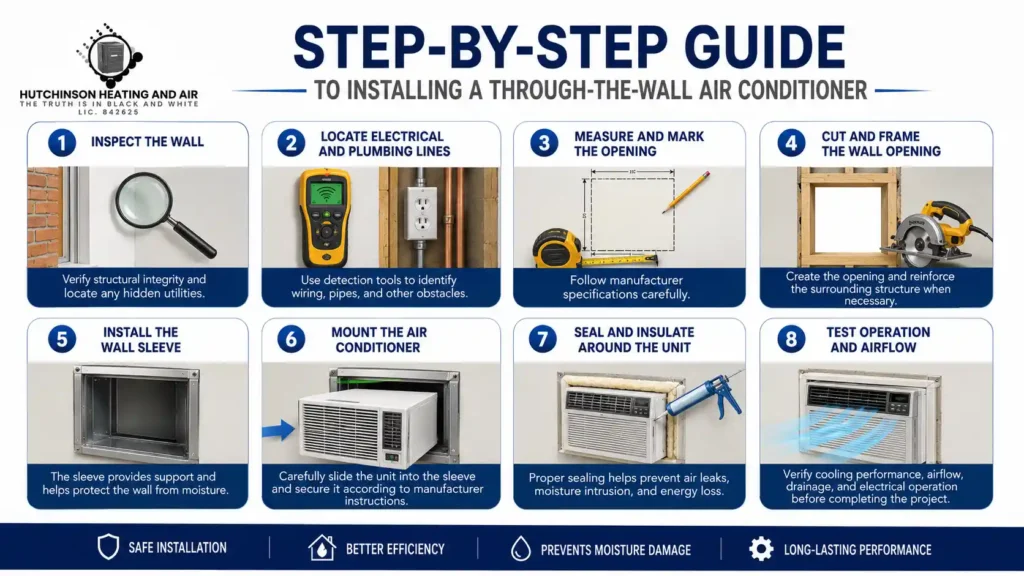
The exact process varies by equipment type and wall construction, but most projects follow similar steps.
Step 1: Inspect the Wall
Verify structural integrity and locate any hidden utilities.
Step 2: Locate Electrical and Plumbing Lines
Use detection tools to identify wiring, pipes, and other obstacles.
Step 3: Measure and Mark the Opening
Follow manufacturer specifications carefully.
Step 4: Cut and Frame the Wall Opening
Create the opening and reinforce the surrounding structure when necessary.
Step 5: Install the Wall Sleeve
The sleeve provides support and helps protect the wall from moisture.
Step 6: Mount the Air Conditioner
Carefully slide the unit into the sleeve and secure it according to manufacturer instructions.
Step 7: Seal and Insulate Around the Unit
Proper sealing helps prevent air leaks, moisture intrusion, and energy loss.
Step 8: Test Operation and Airflow
Verify cooling performance, airflow, drainage, and electrical operation before completing the project.
For homeowners considering professional AC installation in Temecula and Murrieta, choosing experienced technicians helps ensure the system is installed safely and efficiently from day one.
Building Code and Safety Requirements to Consider
Ignoring building codes can create safety risks and future complications.
Local Building Codes
Some municipalities require permits for wall modifications or HVAC installations.
Electrical Code Compliance
Dedicated circuits, breaker sizing, and wiring methods must meet local electrical standards.
Moisture Protection
Proper flashing, sealing, and drainage prevent water damage inside wall cavities.
Fire Safety Requirements
Building codes may specify clearance distances and approved construction methods.
Structural Inspection Guidelines
Major wall modifications often require inspection before and after installation.
You may read How Much Does It Cost to Install AC?
Common Mistakes to Avoid When Installing an AC Unit in a Wall
Even a high-quality air conditioner can perform poorly if installed incorrectly.
Choosing the Wrong Wall Location
Poor placement often leads to uneven cooling and wasted energy.
Ignoring Drainage Requirements
Improper drainage is one of the most common causes of water damage.
Blocking Airflow
Furniture, curtains, and decorative features can restrict airflow and reduce performance.
Using an Undersized Support Structure
Weak framing may eventually crack or sag under the weight of the equipment.
Skipping Insulation and Sealing
Small air leaks can significantly reduce efficiency and increase utility costs.
Signs an Air Conditioner Was Installed in the Wrong Wall
Several warning signs may indicate installation problems.
Excessive Vibration
Unusual vibration often suggests inadequate support.
Water Leaks
Persistent moisture around the unit usually points to drainage issues.
Poor Cooling Performance
Improper placement can prevent conditioned air from reaching all areas of the room.
Increased Energy Bills
An inefficient installation may force the system to work harder than necessary.
Structural Cracks Around the Opening
Cracks may indicate shifting, settling, or insufficient reinforcement.
How Much Does It Cost to Install an Air Conditioner Through a Wall?
Installation costs vary depending on several factors.
Wall Material Costs
Wood-framed walls are usually less expensive to modify than brick or concrete walls.
Electrical Upgrade Costs
Adding dedicated circuits or upgrading panels increases project costs.
Structural Modification Costs
Load-bearing walls often require additional framing and reinforcement.
Labor Costs
Professional labor rates vary by location and project complexity.
Permit Costs
Some local governments require permits and inspections for wall modifications.
Because every home is different, obtaining a site-specific estimate is the best way to understand total project costs.
Benefits of Choosing the Right Wall for AC Installation
The right installation location can improve comfort, efficiency, and long-term reliability.
Better Cooling Efficiency
Proper placement allows cool air to circulate more effectively.
Lower Energy Consumption
Efficient airflow helps reduce operating costs.
Longer Equipment Lifespan
Less strain on the system often means fewer repairs and a longer service life.
Reduced Repair Costs
Correct installation minimizes the risk of moisture damage, vibration issues, and structural problems.
Improved Indoor Comfort
Consistent temperatures make living spaces more comfortable throughout the year.