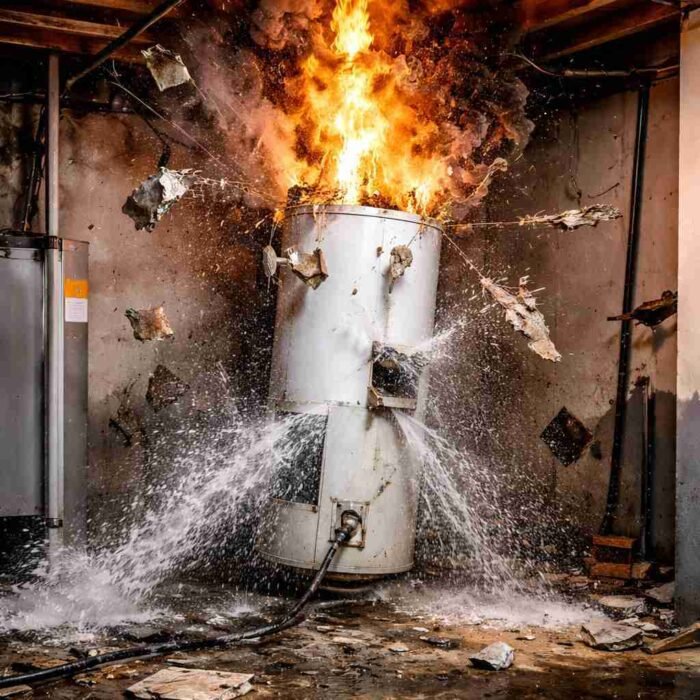
Many homeowners wonder, Can Water Heater Explode If Turned Off? While a turned-off water heater is generally safer because it is no longer actively heating water, certain conditions can still create risks. Problems such as excessive pressure, a faulty temperature and pressure relief valve, or severe tank corrosion may lead to dangerous situations if left unchecked.
At Hutchinson Heating and Air, we often help homeowners understand the importance of water heater safety and routine inspections. Regular Heater Maintenance Temecula and Murrieta services can identify hidden issues early, helping prevent equipment failures and ensuring your water heater operates safely and efficiently.
Quick Answer: Can a Water Heater Explode If Turned Off?
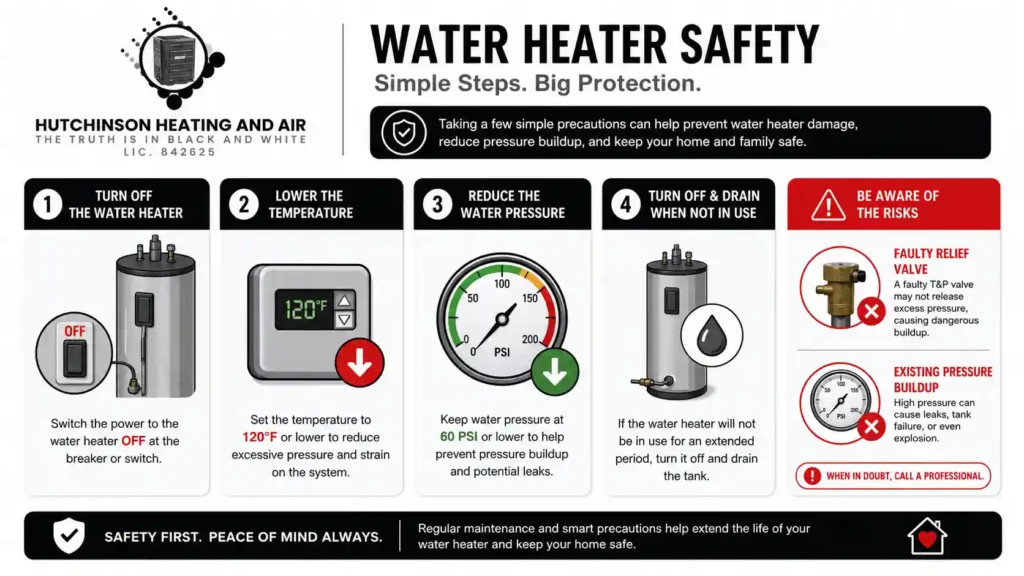
The Short Answer
In most situations, a turned-off water heater is much safer than one actively heating water. Once power or fuel is disconnected, the unit stops producing additional heat, reducing the chance of dangerous pressure buildup.
However, the answer is not always a simple no. A water heater that already has excessive pressure, a defective safety valve, or serious internal damage could still pose risks even after being turned off.
Why Turning Off a Water Heater Usually Makes It Safer
When a water heater operates normally, it continuously heats water. Heating water increases pressure inside the tank. Turning off the gas supply or electrical power stops this heating process.
Without additional heat being generated:
- Water temperature gradually drops.
- Internal pressure becomes more stable.
- The risk of overheating decreases.
- Stress on system components is reduced.
For this reason, turning off a water heater during extended vacations or maintenance work is generally considered a safe practice.
Situations Where a Turned-Off Water Heater Could Still Be Dangerous
Although uncommon, a Water Heater Explode in House scenario may still occur if dangerous conditions existed before the unit was shut down.
Potential risk factors include:
- A failed temperature and pressure relief valve
- Severe corrosion inside the tank
- Existing excessive pressure
- Structural weakness in the tank
- Gas leaks around gas-powered units
These situations are rare but should never be ignored.
How Do Water Heater Explosions Happen?
Understanding how a Hot Water Heater blow up incident occurs can help homeowners recognize warning signs before a serious problem develops.
Excessive Internal Pressure
The most common cause of water heater explosions is excessive pressure inside the tank. As water heats, it expands. If this pressure cannot safely escape, it continues building until the tank walls can no longer contain it. Modern water heaters are designed with multiple safety systems to prevent this situation.
Failed Temperature and Pressure (T&P) Relief Valve
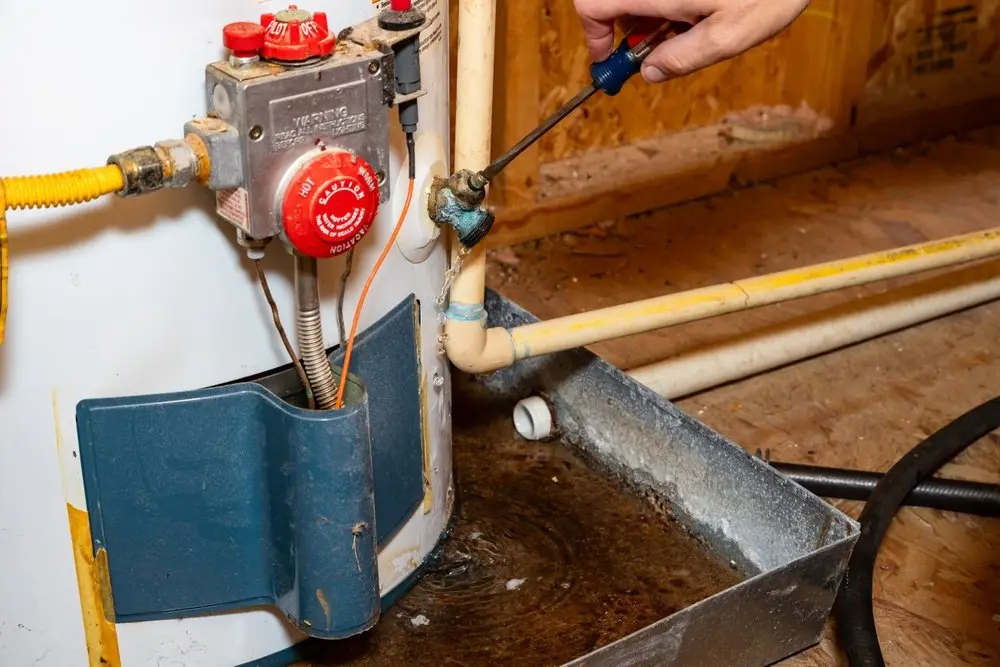
The T&P relief valve is one of the most important safety components on a water heater. Its purpose is simple: release excess pressure before it becomes dangerous. If this valve becomes blocked, corroded, or stuck closed, pressure can rise to unsafe levels.
Overheating and Thermostat Malfunctions
Water heaters rely on thermostats to control temperature. If a thermostat fails, the unit may continue heating beyond safe operating limits. Extremely hot water creates additional steam and pressure, increasing the risk of tank failure.
Sediment and Mineral Buildup
Minerals naturally present in water settle at the bottom of the tank over time. This sediment layer acts like insulation, trapping heat and forcing the heater to work harder. In severe cases, localized overheating may occur, damaging the tank and increasing pressure-related risks.
Corrosion and Tank Deterioration
Water heaters experience constant exposure to moisture and heat. Over time, corrosion can weaken internal metal surfaces. A severely weakened tank may eventually crack or rupture under pressure.
Read More: How Much to Install a Hot Water Heater?
Can an Electric Water Heater Explode When Turned Off?
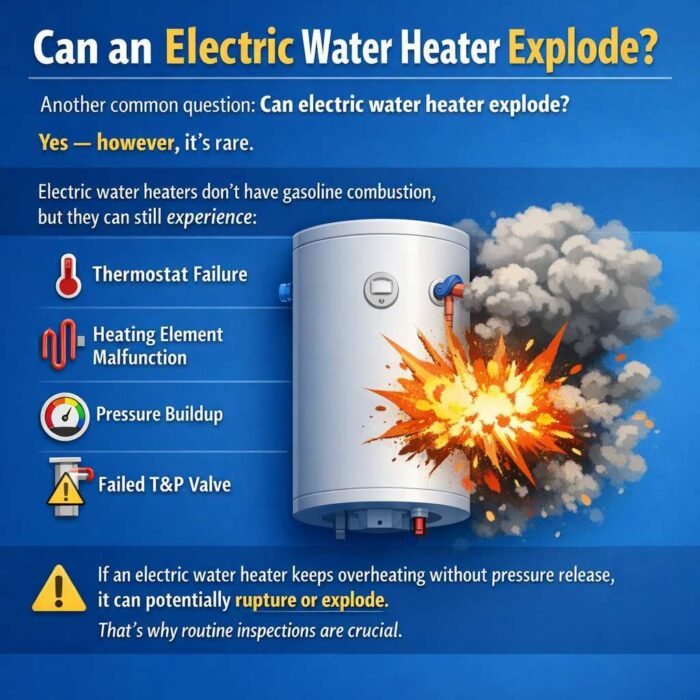
Risks Specific to Electric Models
Many homeowners ask, can an electric water heater explode after power has been disconnected?
Electric water heaters eliminate combustion-related risks, but they are not entirely immune to pressure-related problems.
Potential issues include:
- Existing pressure buildup
- Failed safety valves
- Corrosion
- Structural damage
When an Electric Water Heater Can Still Be Dangerous
A turned-off electric water heater is generally safe. However, if excessive pressure already exists inside the tank before shutdown, the underlying problem remains.
This is why inspections are important whenever unusual noises, leaks, or overheating symptoms appear.
Can a Gas Water Heater Explode When Turned Off?
Gas Leak Hazards
Gas-powered units introduce an additional concern: fuel leaks.
Even after a water heater is turned off, damaged gas lines or faulty connections may allow gas to escape.
Accumulated gas can become highly dangerous if exposed to an ignition source.
Pressure-Related Risks
Like electric units, gas water heaters can still experience pressure-related failures if safety devices malfunction.
Pressure buildup remains one of the primary causes behind most reported incidents.
Safety Features in Modern Gas Water Heaters
Modern systems include numerous protections, such as:
- Temperature controls
- Pressure relief valves
- Flame sensors
- Automatic shutoff systems
These features significantly reduce the likelihood that a Water Heater Explode in House event will occur.
What Causes Pressure to Build Up Inside a Water Heater?
Faulty T&P Relief Valve
A malfunctioning relief valve is often the single biggest contributor to dangerous pressure levels. Without pressure relief, the tank effectively becomes a sealed container.
Closed Plumbing Systems
Many modern homes use closed plumbing systems that prevent water expansion from flowing back into municipal supply lines. Without an expansion tank, pressure can rise unexpectedly.
Expansion Tank Problems
Expansion tanks absorb excess pressure created during heating cycles. If the expansion tank fails, pressure increases may affect the water heater directly.
Blocked Water Lines
Restrictions within plumbing lines can trap pressure inside the system. Mineral deposits and corrosion are common causes.
Excessive Water Temperature
Water heated above recommended temperatures expands more rapidly. The higher the temperature, the greater the pressure inside the tank.
Read More: What Temperature to Set Water Heater?
Warning Signs Your Water Heater May Be Unsafe
Rumbling, Popping, or Banging Noises
Strange sounds often indicate sediment buildup at the bottom of the tank. Ignoring these noises can lead to efficiency problems and potential safety concerns.
Water Leaks Around the Tank
Leaks may signal internal corrosion or excessive pressure. Any unexplained moisture around the unit deserves immediate attention.
Rust-Colored Water
Discolored water often indicates corrosion inside the tank or plumbing system.
Extremely Hot Water
Water that suddenly becomes unusually hot may suggest thermostat failure.
Visible Rust or Corrosion
External rust can indicate aging equipment and possible structural weakness.
Constant Dripping from the Pressure Relief Valve
Occasional discharge may be normal, but continuous dripping often points to pressure problems that require professional inspection.
What Happens Before a Water Heater Explodes?
Pressure Buildup Stage
Pressure gradually rises beyond normal operating limits.
Steam Formation Stage
Excessive temperatures may produce steam inside the tank. Steam occupies far more space than liquid water, increasing pressure rapidly.
Tank Weakening Stage
Constant stress weakens metal components. Corrosion and age accelerate this process.
Tank Rupture or Explosion
If pressure exceeds the tank’s capacity and safety systems fail, rupture can occur. Fortunately, modern water heaters rarely reach this stage when properly maintained.
How to Prevent a Water Heater Explosion
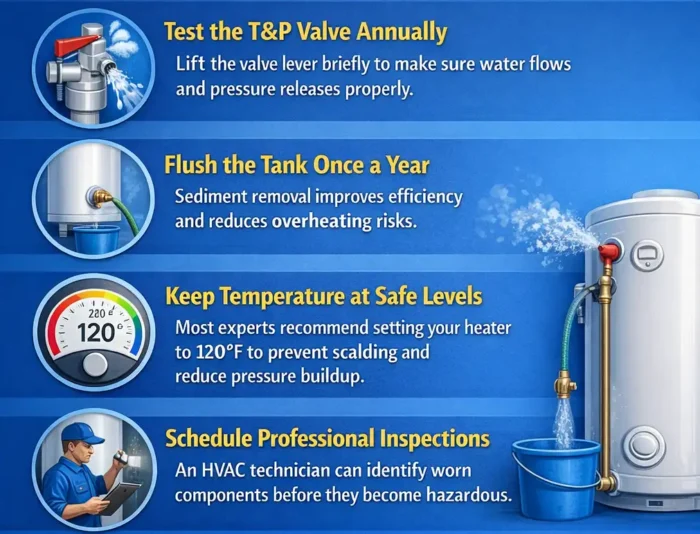
Test the T&P Relief Valve Annually
Regular testing helps verify that the valve can release pressure properly.
Flush the Tank Once a Year
Annual flushing removes sediment buildup and improves efficiency.
Keep Water Temperature Around 120°F
Most experts recommend 120°F as a safe balance between comfort, efficiency, and safety.
Inspect for Leaks and Corrosion
Routine visual inspections can identify developing problems early.
Schedule Professional Maintenance
Professional inspections help uncover issues that homeowners may miss.
If you are looking for preventive care, scheduling regular Heater Maintenance Temecula and Murrieta services can help identify pressure issues, worn components, and safety concerns before they become major problems.
Replace Aging Water Heaters Before They Become Unsafe
Most conventional tank water heaters last between 8 and 12 years.
Older systems should be monitored closely for signs of deterioration.
What Should You Do If You Suspect Your Water Heater Is Dangerous?
Turn Off the Power or Gas Supply
Disconnect the energy source if it can be done safely.
Shut Off the Water Supply
Stopping water flow can help limit further pressure changes.
Avoid Standing Near the Unit
If you suspect severe pressure buildup, maintain a safe distance.
Contact a Qualified Technician
Professional diagnosis is always the safest approach.
When to Call Emergency Services
Call emergency services immediately if you notice:
- Strong gas odors
- Visible steam release
- Bulging tanks
- Signs of imminent failure
How Long Can a Water Heater Safely Remain Turned Off?
Short-Term Shutdowns
A water heater can safely remain off for several days without issues.
Long-Term Shutdowns
For extended shutdowns, draining the tank may be recommended depending on climate and manufacturer guidance.
Restarting a Water Heater Safely
Inspect the unit carefully before restarting.
Check for leaks, corrosion, and valve issues before restoring power or gas.
Common Myths About Water Heater Explosions
A Turned-Off Water Heater Can Never Explode
False. Although risk decreases significantly, existing pressure or mechanical failures can still create hazards.
New Water Heaters Do Not Need Maintenance
All water heaters require periodic inspections and maintenance.
Small Leaks Are Nothing to Worry About
Even small leaks may indicate larger underlying problems.
The T&P Valve Never Needs Testing
This valve should be inspected regularly because it serves as the primary pressure protection device.
When Should You Replace Your Water Heater?
Age of the Unit
Most systems become less reliable as they approach or exceed 10 years of age.
Frequent Repairs
Repeated breakdowns often signal that replacement is more cost-effective.
Reduced Efficiency
Higher utility bills may indicate declining performance.
Safety Concerns
Persistent leaks, corrosion, or pressure issues should never be ignored.

Conclusion
So, Can Water Heater Explode If Turned Off? In most situations, turning off a water heater makes it safer because it stops additional heating and reduces pressure-related risks. However, existing mechanical problems, corrosion, faulty safety valves, or excessive pressure can still create dangerous conditions if left unaddressed.
The best way to prevent a Hot Water Heater blow up incident or a Water Heater Explode in House situation is through regular inspections, proper maintenance, and timely replacement of aging equipment. If you notice warning signs such as leaks, unusual noises, rust, or temperature problems, do not wait for the issue to worsen.
For expert inspections, maintenance, and heating system care, contact Hutchinson Heating and Air today and ensure your home’s equipment remains safe, efficient, and reliable year-round.
Frequently Asked Questions
Can a water heater explode after being turned off?
Yes, although it is uncommon. If dangerous pressure already exists or safety devices have failed, risks may remain even after the unit is shut down.
Can an unplugged electric water heater explode?
The answer to can an electric water heater explode when unplugged is technically yes, but only under unusual circumstances involving existing pressure problems or severe equipment failure.
Can a gas water heater explode if the gas is turned off?
Turning off the gas significantly reduces risk. However, pressure-related problems or existing gas leaks may still require attention.
What is the most common cause of a water heater explosion?
Excessive internal pressure combined with a failed temperature and pressure relief valve is the most common cause.
How can I tell if my T&P relief valve is failing?
Signs include constant dripping, corrosion around the valve, or failure to operate during testing.