How to Adjust Water Heater Temperature | A Complete Safety Guide
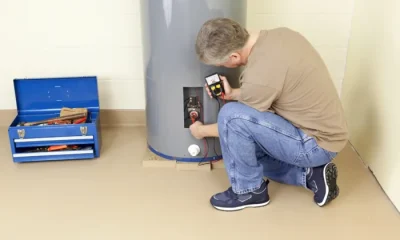
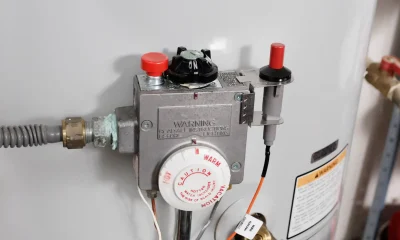
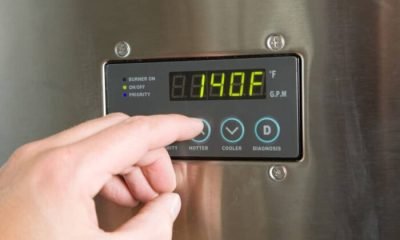
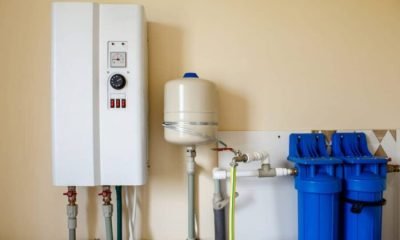
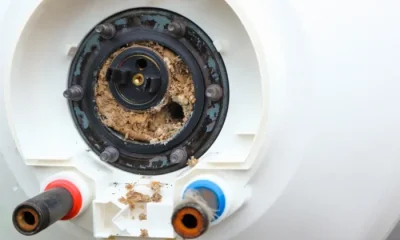
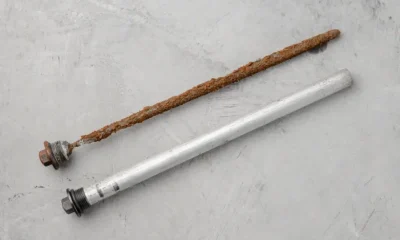
Nobody wants to get burned by their shower water. But that’s exactly what happens when water heaters run too hot. On the flip side, if the temperature’s too low, nasty bacteria can grow inside your tank. Knowing how to adjust water heater temperature keeps everyone safe and cuts down on energy bills. Most people never touch these settings after installation. This guide walks through the whole process, whether you’ve got an electric or gas unit at home. Understanding Water Heater Temperature Settings Brand new water heaters ship from factories set around 140°F. That’s dangerously hot. Water at this temperature can cause third-degree burns in just five seconds. Kids and grandparents get hurt the worst. The Department of Energy says 120°F works best for most homes. Hot enough to kill bacteria, cool enough to prevent burns. Plus, dropping from 140°F to 120°F shaves about $50 off yearly energy costs. Sometimes other temperatures make sense. People with compromised immune systems might need 130°F to kill off Legionella bacteria. Older dishwashers without their own heating elements need hotter water to clean properly. Check the dishwasher manual first. Hutchinson Heating and Air technicians work on water heaters all over Temecula. We see the same issue over and over – people have no idea what temperature their water heater’s actually running at. Most dials don’t show real numbers. What Temperature Should a Hot Water Heater Be Set At? Every home’s different, but here’s what each setting does: 120°F (Best for most homes): Safe temperature that stops bacteria growth. Won’t scald anyone. Saves the most money on bills. Good choice when kids or elderly folks live there. 130°F (Middle ground): Some homes need this for medical reasons. Still pretty safe but be careful. Costs more to run than 120°F. 140°F (Too hot for most): Only makes sense for specific health conditions or really old dishwashers. Burns happen easily. Skip this unless absolutely necessary. Under 120°F: Bad idea. Bacteria loves temperatures between 68-122°F. Legionella thrives in this range. Want to know what temperature yours is at right now? Let hot water run for three minutes. Fill a cup and stick a meat thermometer in it. Simple as that. How to Adjust the Temperature on an Electric Water Heater Electric water heaters hide everything behind metal panels. Most have two heating elements with their own temperature controls. Both need to match. Turn off the power first. Go to the breaker box and flip off the water heater circuit. Water and electricity make a deadly combination. Use a voltage tester if you’ve got one. Step 1: Unscrew the access panels. Usually there’s one up top and one down below. Put the screws somewhere they won’t roll away. Step 2: Move the insulation aside. There’s pink or yellow foam behind the panel. Just push it over enough to see the thermostat underneath. Step 3: Look for the temperature dial. It’s either a flat-head screw adjustment or a small dial. Some show actual numbers. Others just say things like “warm” or “hot.” Step 4: Change both thermostats to match. Use a flat-head screwdriver if needed. Turning right makes it hotter. Turning left cools it down. The top one runs the show. Step 5: Put everything back. Make sure the insulation covers the thermostat again. Screw the panels on tight. Step 6: Turn the power back on. Now wait three to four hours. Big tanks take longer to heat up. Test the water temperature after waiting. Electric water heater temperature control takes some patience. A 50-gallon tank needs several hours to heat all that water to the new setting. Newer electric models sometimes have digital screens. Those are way easier – just push buttons until it shows the temperature you want. You may read How Long Does a Gas Water Heater Last? How to Adjust the Temperature on a Gas Water Heater Gas water heaters make this whole thing simpler. The control knob sits right there at the bottom. No panels to take off. No power to shut down. Step 1: Find the gas control valve. It’s down at the bottom where the gas line hooks up. The temperature dial is right on that valve. Step 2: See what it’s set at now. Most gas units have markers like “Hot,” “A,” “B,” “C,” or sometimes actual temperatures. Factory setting usually lands on “Hot” – around 140°F. Step 3: Turn the dial where you want it. Spin it toward “Low” to cool things down. Turn it toward “Hot” to heat things up. Should turn easy without forcing it. Step 4: Give it time to adjust. Gas heaters work faster than electric ones. Two to three hours usually does it. Step 5: Check and adjust again if needed. Run the hot water and test it. Make small changes until it’s right. The markings on gas water heater knob settings don’t always match the actual temperature. Don’t turn the gas valve all the way off unless draining the whole tank. The pilot light goes out and relighting it can be tricky. Some brand new gas models have digital readouts. Those work like a thermostat. Just punch in the exact temperature. Hutchinson Heating and Air tells customers to get their water heaters checked once a year. Our heater maintenance service in Temecula includes checking temperatures and making sure everything’s safe. Regular checkups catch problems before they turn into expensive repairs. Temperature Adjustment Troubleshooting Changed the setting but water’s still not hot enough? Here’s what might be wrong: Sediment in the tank: Minerals sink to the bottom over time. This gunk gets between the heating element and the water. Flushing the tank once a year prevents this mess. Broken thermostat: Thermostats wear out eventually. They stop telling the heating elements when to turn on. Swapping it out fixes the problem. Tank’s too small: A 40-gallon tank can’t keep up with five people taking showers. Running out of hot water doesn’t mean the temperature’s wrong. Might need a bigger tank. Mixing valve issues: Some houses have special
How to Adjust Water Heater Temperature | A Complete Safety Guide Read More »