A water heater provides daily comfort, but many homeowners do not realize that a small component called an anode rod helps protect the tank from rust and corrosion. If you have ever asked, Does a Gas Water Heater Have an Anode Rod, the answer is yes. Most traditional gas water heaters include one to extend the life of the tank and reduce the risk of costly damage.
At Hutchinson Heating and Air, technicians often find worn anode rods that could have been replaced earlier to prevent deterioration. Understanding how a gas water heater anode rod works can help homeowners avoid expensive repairs and prolong system life.
What Is an Anode Rod and Why Does It Matter?
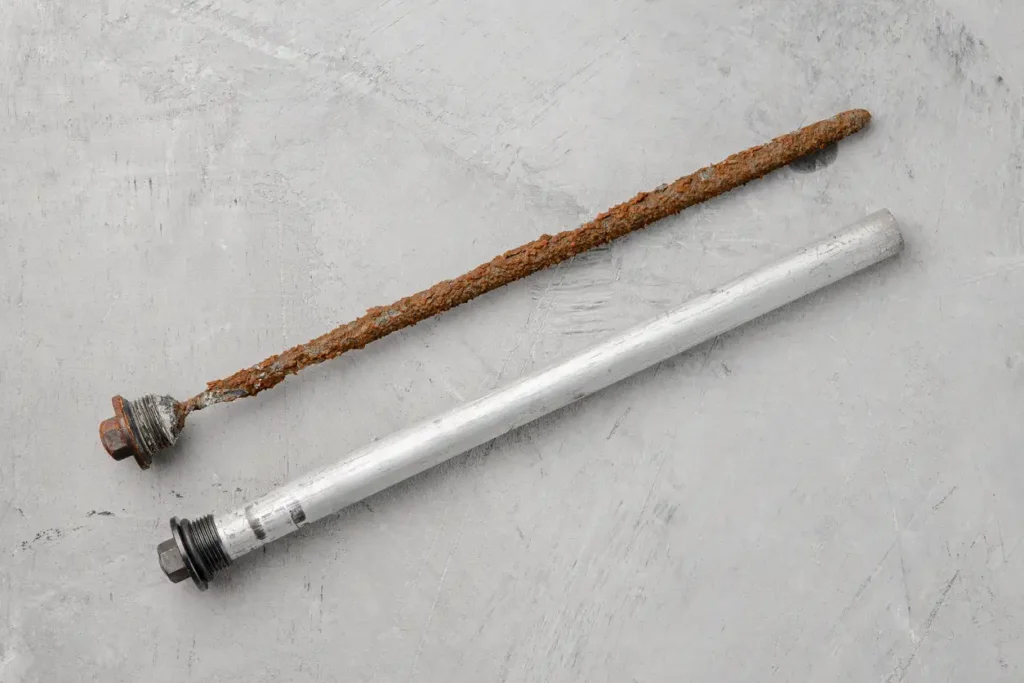
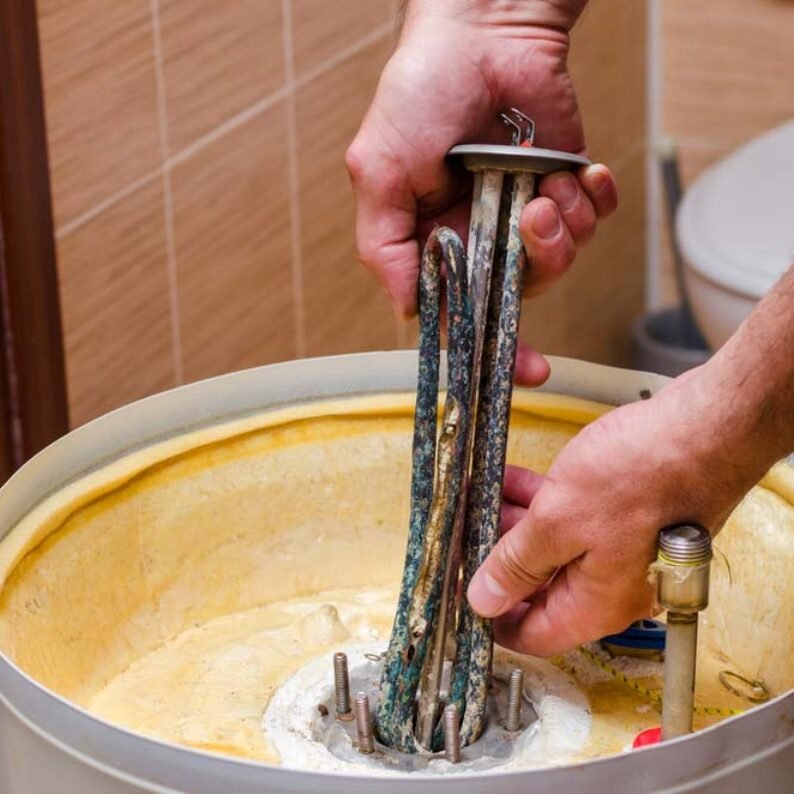
An anode rod is a metal rod installed inside a water heater tank. It is usually made of magnesium, aluminum, or zinc-coated aluminum and is designed to attract corrosive elements found in water. The water heater anode rod purpose is simple: it sacrifices itself to protect the steel tank from rust and corrosion.
Because water naturally contains minerals and dissolved oxygen, corrosion can develop inside any metal tank over time. Without protection, rust would gradually attack the tank walls and eventually lead to leaks or premature failure. The anode rod attracts these corrosive elements first, slowing damage to the tank itself. This is why it is commonly known as a “sacrificial anode rod.”
At Hutchinson Heating and Air, technicians often find that homeowners can significantly extend the life of their water heaters simply by inspecting and replacing the anode rod when needed.
Do All Water Heaters Have Anode Rods?
Not every type of water heater contains an anode rod.
Traditional Tank Water Heaters
Most traditional gas and electric storage tank water heaters include at least one anode rod. Some larger models may even have two rods for additional protection.
Gas Water Heaters
Nearly all residential gas water heaters with storage tanks have an anode rod installed from the factory. The rod helps protect the steel tank from corrosion throughout its service life.
Electric Water Heaters
Electric storage tank water heaters also use anode rods. The corrosion protection process works the same regardless of whether the tank is heated by gas or electricity.
Hybrid (Heat Pump) Water Heaters
Most hybrid water heaters contain storage tanks and therefore use anode rods for corrosion protection.
Tankless Water Heaters
Tankless systems generally do not use anode rods because they do not store water in a steel tank. Since there is no storage tank to protect, the need for a sacrificial rod is eliminated.
Does a Gas Water Heater Have an Anode Rod?
Yes, a gas water heater anode rod is considered a standard component in almost every tank-style gas water heater.
Without this rod, corrosion would begin attacking the tank much sooner, reducing the life expectancy of the unit. Manufacturers install anode rods specifically to protect the investment homeowners make in their water heating systems.
In many cases, replacing a worn rod at the right time can add several years to the life of a water heater.
Where Is the Anode Rod Located?
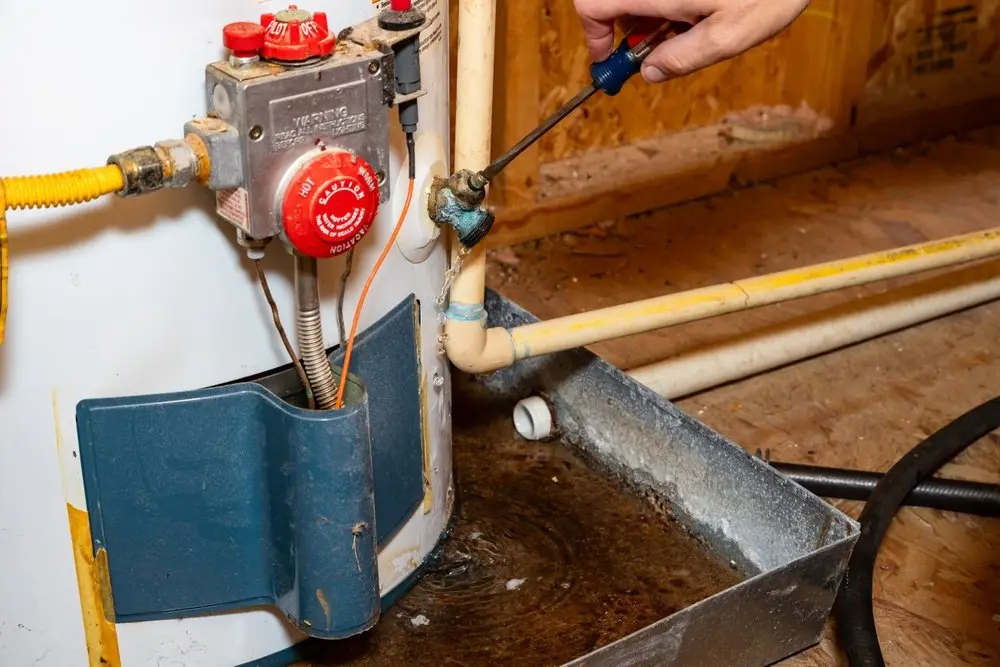
The rod is typically installed through the top of the tank.
Depending on the model, it may be:
- Attached to the hot water outlet
- Installed under a hex-head fitting
- Hidden beneath a plastic cap on top of the heater
Its location varies by manufacturer, but it is usually accessible from the top of the unit.
Do New Gas Water Heaters Come With Anode Rods?
Yes. New gas water heaters almost always include an anode rod as standard equipment.
Manufacturers understand the importance of corrosion protection and design their systems accordingly. The rod begins protecting the tank immediately after installation.
What Does an Anode Rod Actually Do?
Many homeowners hear about anode rods but are unsure how they function.
Protecting the Steel Tank
The primary role of the rod is protecting the steel tank from corrosion.
Minerals in water naturally attack metal surfaces. The anode rod attracts these corrosive elements before they can damage the tank walls.
Extending Water Heater Lifespan
The water heater anode rod purpose is directly linked to extending equipment life.
A properly functioning rod can significantly delay internal corrosion, helping the water heater last several years longer than it otherwise would.
Improving Long-Term Water Quality
A healthy anode rod can also help reduce certain water quality issues.
As rods deteriorate, they continue absorbing corrosive elements that might otherwise contribute to rust contamination within the tank.
What Happens When an Anode Rod Wears Out?
An anode rod is not designed to last forever.
As it sacrifices itself to protect the tank, it gradually deteriorates until little material remains.
Rust Inside the Tank
Once the rod is depleted, corrosion begins targeting the steel tank itself.
Reduced Water Heater Life
Without a functioning gas water heater anode rod, tank deterioration accelerates.
Leaks and Tank Failure
Eventually, corrosion can create weak spots in the tank, leading to leaks that cannot be repaired.
Rotten Egg Smell in Hot Water
In some homes, deteriorating rods can contribute to sulfur-like odors, especially when certain bacteria interact with minerals in the water supply.
Signs Your Water Heater Anode Rod Needs Replacement
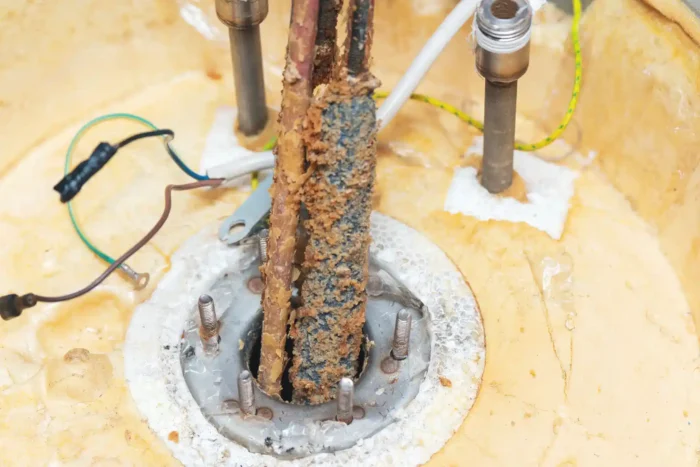
Recognizing early warning signs can help homeowners avoid costly damage.
Rusty or Discolored Water
Brown, orange, or rusty-looking hot water may indicate internal corrosion.
Sulfur or Rotten Egg Odor
A strong sulfur smell from hot water is often associated with an aging anode rod.
Popping or Rumbling Sounds
Sediment buildup combined with an aging rod may contribute to unusual tank noises.
Visible Corrosion Around the Tank
Corrosion near fittings or connections can indicate internal wear and justify a professional inspection.
How Long Do Anode Rods Last?
Most anode rods last between three and five years.
However, lifespan varies based on water conditions and usage patterns.
Average Lifespan
Typical residential rods last:
- 3 to 5 years in many homes
- 2 to 3 years in areas with aggressive water conditions
- Up to 7 years in ideal conditions
Factors That Affect Anode Rod Life
Several variables influence longevity:
- Water chemistry
- Household water usage
- Water temperature settings
- Type of rod material
- Local mineral content
Hard Water vs Soft Water Impact
Hard water often causes increased mineral buildup, while softened water may accelerate anode rod consumption. Both conditions can affect replacement intervals.
How to Check If Your Water Heater Has an Anode Rod
Homeowners can often determine whether their unit contains an anode rod through inspection.
Identifying the Anode Rod Location
Look at the top of the water heater for:
- Hex-head fittings
- Plastic access caps
- Hot water outlet connections
Consulting the owner’s manual can also help identify the exact location.
Inspecting the Rod Safely
Inspection requires shutting off power or gas, turning off water supply, relieving pressure, and removing the rod.
Because rods can be difficult to remove, many homeowners prefer professional assistance.
Can You Replace an Anode Rod Instead of Replacing the Water Heater?
In many situations, yes.
Replacing a worn rod is often far less expensive than replacing the entire water heater.
When Replacement Makes Sense
Anode rod replacement is typically worthwhile when:
- The tank is still structurally sound
- No leaks are present
- The water heater is less than ten years old
- Corrosion remains limited
When a New Water Heater Is the Better Option
Replacement may be the smarter investment when:
- The tank is leaking
- Severe corrosion exists
- The system is nearing the end of its expected lifespan
- Repair costs continue increasing
Anode Rod Replacement: DIY vs Professional Service
Some homeowners consider replacing the rod themselves.
Tools and Challenges Homeowners Face
DIY replacement often requires:
- Specialized sockets
- Breaker bars
- Adequate overhead clearance
- Experience handling plumbing connections
Many rods become tightly seized over time, making removal difficult.
Benefits of Professional Inspection
Professional technicians can:
- Inspect the rod safely
- Evaluate tank condition
- Check for hidden corrosion
- Recommend the best repair option
This often prevents accidental damage during removal attempts.
Read More: Why Does A Gas Furnace Stop Working?
How Replacing an Anode Rod Can Extend Water Heater Life
A new gas water heater anode rod can dramatically slow internal corrosion. Instead of allowing rust to attack the steel tank, the replacement rod resumes the sacrificial protection process.
Many homeowners are surprised to learn that spending a relatively small amount on rod replacement can help avoid thousands of dollars in premature water heater replacement costs.
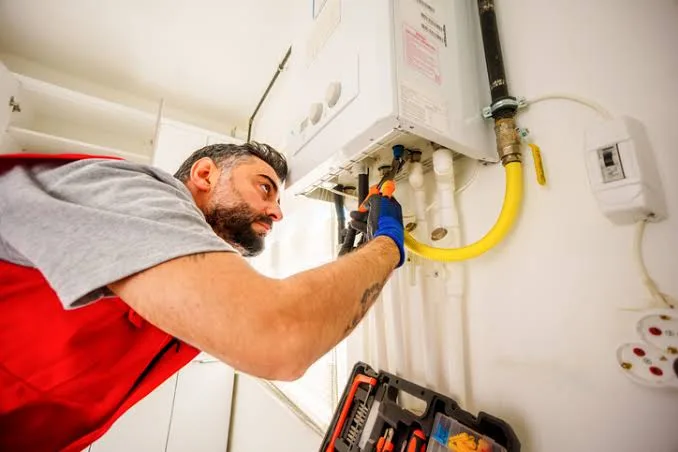
When to Call a Professional Water Heater Technician
Professional service is recommended when:
- Water heater age exceeds several years
- Rust-colored water appears
- Sulfur odors develop
- The rod has never been inspected
- You are uncertain about the tank’s condition
For homeowners considering water heater replacement or planning future upgrades, exploring Heater Installation Temecula & Murrieta services can help ensure the right system is selected for long-term reliability and efficiency.

Conclusion
Understanding Does a Gas Water Heater Have an Anode Rod is important for any homeowner who wants to maximize the life of their water heater. While small and often overlooked, the anode rod serves as the tank’s first line of defense against corrosion. Regular inspections and timely replacement can help prevent leaks, improve reliability, and delay costly system replacement.
If you suspect your anode rod is worn out, notice rust-colored water, or want a professional evaluation of your water heater, contact Hutchinson Heating and Air. Experienced technicians can inspect your system, recommend the right solution, and help keep your home’s hot water supply operating efficiently for years to come.
Frequently Asked Questions
Do electric water heaters have anode rods?
Yes. Most electric storage tank water heaters include anode rods. The corrosion protection process works the same way as it does in gas-powered models.
Do gas water heaters have anode rods?
Yes. If you are asking, Does a Gas Water Heater Have an Anode Rod, the answer is almost always yes for traditional storage tank models. The rod helps protect the tank from internal corrosion.
Do tankless water heaters have anode rods?
Generally, no. Tankless systems do not store water in a steel tank, so they typically do not require the same type of corrosion protection.
How often should an anode rod be replaced?
Most manufacturers recommend inspection every few years. Depending on water quality and usage, replacement is commonly needed every three to five years.
Can a water heater work without an anode rod?
Yes, but the tank becomes much more vulnerable to corrosion. Operating without a functioning rod can significantly shorten the life of the water heater.