If your water heater is making strange popping sounds or the pressure relief valve keeps dripping, it’s an easy fix, but an expensive one to ignore. The cost to install water heater expansion tank typically runs between $150 and $600, depending on your home’s setup, and that range hides details worth understanding before you call anyone.
At Hutchinson Heating and Air, we get these calls weekly, usually from homeowners just told after a new water heater install that they need an expansion tank too. It’s a real code requirement, not a sales tactic, and skipping it can shorten your water heater’s life significantly.
Quick Answer, What You’ll Actually Pay
For most homes, the water heater expansion tank installation cost falls between $150 and $450 for a straightforward job with easy access to the water heater. If your plumbing is older, your access is tight, or you need permit work pulled, expect to land closer to $400 to $600. Tank-only replacements (swapping an old, waterlogged tank for a new one) tend to sit on the lower end since labor is simpler when the mounting hardware and connections already exist.
What Is a Water Heater Expansion Tank?
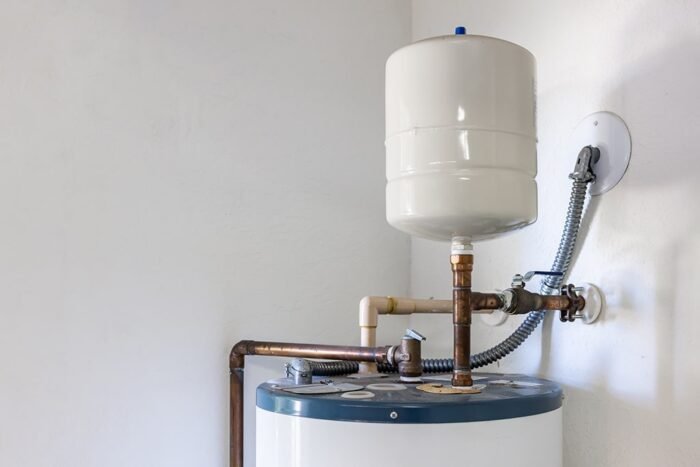
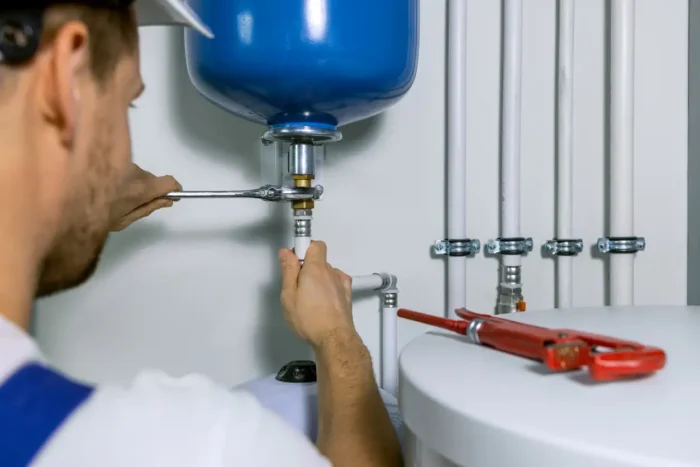
A water heater expansion tank is a small, football-shaped steel tank installed on the cold water supply line near your water heater. Inside, a rubber diaphragm separates air from water. When your water heater heats water, that water expands in volume. Without somewhere for that extra volume to go, pressure inside your closed plumbing system spikes every single heating cycle.
The tank gives that expanding water a place to go instead of pushing back against your pipes, fixtures, and the water heater’s tank walls. It’s a small piece of hardware, but it does a lot of quiet, unglamorous work protecting the rest of your plumbing system.
Why Your Water Heater Actually Needs One
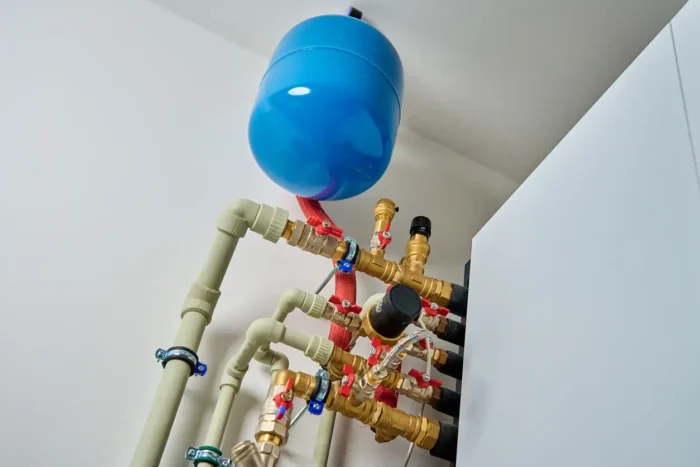
Here’s the part most articles skip over. Your plumbing system isn’t naturally “closed.” Older homes often had an open system, where excess pressure could push back toward the municipal water supply. But most homes today have a check valve or pressure-reducing valve (PRV) installed at the main water line, which creates what’s called a closed system.
Once your system is closed, that expanding water has nowhere to escape. Pressure builds with every heating cycle, sometimes spiking well above your system’s normal operating pressure. Over months and years, this repeated stress wears down valve seals, weakens pipe joints, and can even crack the glass lining inside your water heater tank, which is one of the leading causes of premature tank failure that most homeowners never connect back to a missing expansion tank.
How Long Does an Expansion Tank Last
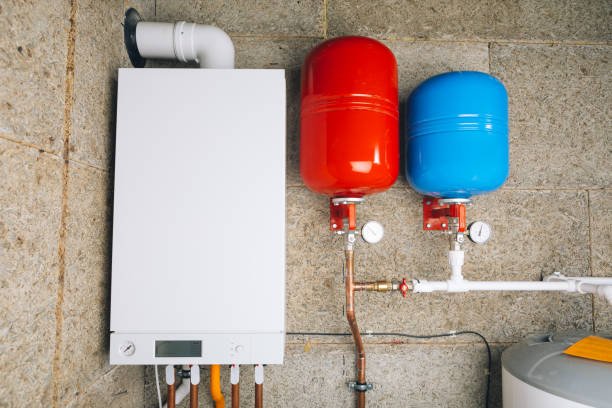
Most expansion tanks last between 5 and 10 years, though we’ve seen some fail as early as year 3 in homes with consistently high water pressure. The rubber diaphragm inside is the weak point. Once it stretches, cracks, or loses its air charge, the tank can no longer absorb pressure the way it’s designed to.
Manufacturer warranties typically run 5 years, but real-world lifespan depends heavily on your water pressure and the quality of the original installation. A tank installed with the correct air pre-charge will consistently outlast one that was rushed or improperly set.
Is an Expansion Tank Necessary, Or Just Recommended?
This is where a lot of confusion happens. If your home has a check valve, backflow preventer, or pressure regulator on the main line, most plumbing codes require an expansion tank, including here in California under the Uniform Plumbing Code. It’s not optional in these cases, and skipping it can affect your water heater’s warranty if the manufacturer finds evidence of thermal expansion damage during a claim review.
If your system is genuinely open with no check valve anywhere on the line, it’s technically not code-required, though we still recommend it for pressure stability. The honest answer is that most homes built or replumbed in the last 20 years already have a closed system and need one.
Full Cost Breakdown
Tank Cost by Size (2-gal vs 4-gal vs 5-gal)
- 2-gallon tanks: $30 to $60, suited for smaller water heaters (30 to 40 gallons) with average household pressure
- 4-gallon tanks: $60 to $100, the most common size for standard 40 to 50-gallon residential water heaters
- 5-gallon tanks: $90 to $150, typically used for larger tanks, high water pressure homes, or commercial-grade setups
Choosing the wrong size doesn’t just waste money. An undersized tank fails to absorb enough expansion volume, which defeats the purpose entirely.
Labor Cost
Labor for a straightforward installation generally runs $100 to $300, depending on access to your water heater and how much modification the existing plumbing needs. If your technician has to reroute copper lines or add new fittings to mount the tank properly, labor time increases accordingly.
Permit & Inspection Fees
Many municipalities require a permit for water heater related plumbing work, including expansion tank installation, especially when it’s tied to a larger water heater replacement. Permit fees in our service area typically range from $50 to $150, and inspection scheduling can add a few days to the timeline if it’s not bundled with other work already under permit.
Read More: Is an Expansion Tank Required For a Water Heater?
New Installation vs Replacement, Cost Difference Explained
This distinction matters more than most homeowners realize. A cost to replace water heater expansion tank is almost always cheaper than a first-time installation, because the mounting bracket, water line tap, and shutoff valve are usually already in place. A replacement job often takes 30 to 45 minutes and runs $150 to $250 total.
A brand new installation, especially on a home that never had one, requires cutting into the cold water line, adding a tee fitting, installing a shutoff valve, and mounting the tank securely, often with additional bracing depending on the tank’s weight when full. That labor difference is why new installations can run $100 to $200 higher than a simple swap.

Signs Your Expansion Tank Is Already Failing
Field technicians rely on a few quick, reliable checks rather than guessing. The most common is the tap test: knock on the outside of the tank near the top. If it sounds hollow, the air charge is intact. If it sounds solid or you hear water sloshing near the top, the diaphragm has likely failed and water has flooded the air chamber, a condition called waterlogging.
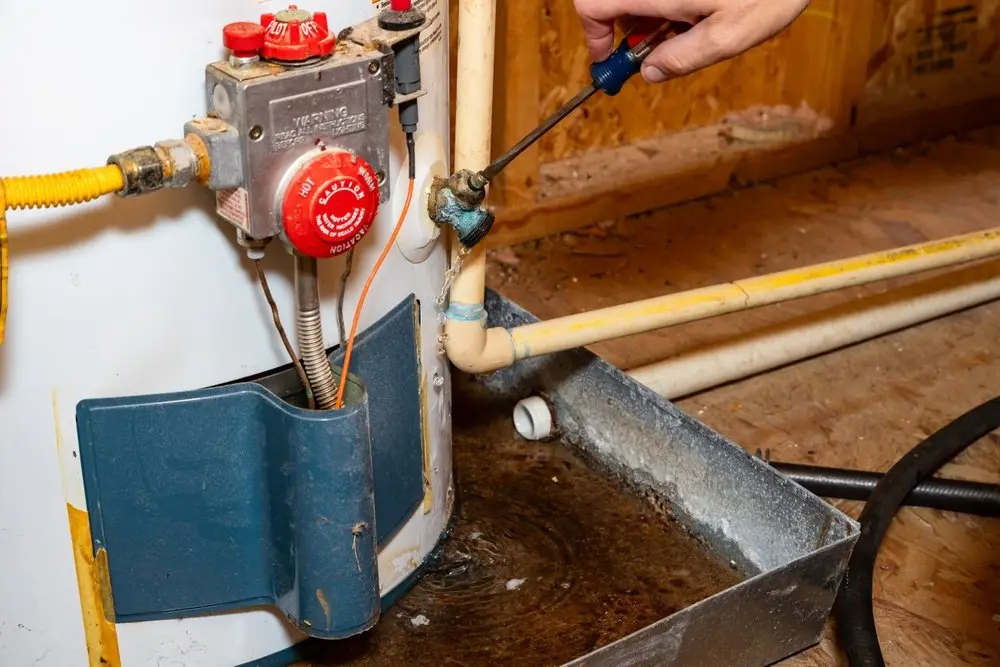
Other real-world signs include a pressure relief valve that drips more frequently, banging or popping noises in your pipes (known as water hammer), and a noticeable increase in your home’s static water pressure reading. If you’re checking your own system, a simple pressure gauge on an outdoor spigot can confirm whether your pressure is climbing above 80 psi, which stresses everything downstream.
Factors That Push Your Price Up or Down
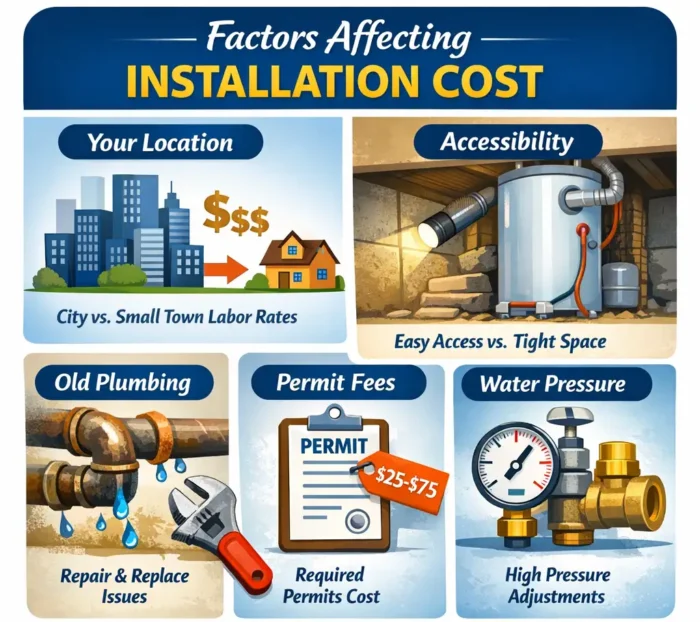
Your Location
Local labor rates and permit costs vary. Homes further from a technician’s service route may also see a modest trip charge factored into the total.
Water Heater Access & Location
A water heater in an open garage costs far less to work on than one tucked into a tight attic crawlspace or a closet with limited clearance.
Condition of Existing Plumbing
Corroded shutoff valves or outdated galvanized piping near the water heater often need replacing before the expansion tank can be properly installed, adding to material and labor costs.
Permit Requirements
Jobs requiring a permit and inspection naturally cost more and take longer to complete than unpermitted, straightforward swaps.
Whether Your Water Pressure Is Already a Problem
Homes with pressure consistently above 80 psi may need a pressure-reducing valve installed alongside the expansion tank, which is an additional cost worth budgeting for upfront.
Emergency vs Scheduled Service
After-hours or emergency calls, such as a leaking pressure relief valve at 9 PM, typically carry a premium over scheduled daytime appointments.
Extra Expenses Homeowners Often Miss
A few costs catch homeowners off guard. If your existing shutoff valve is corroded or seized, replacing it adds $30 to $80 in parts and labor. Homes with unusually high static pressure may need a pressure-reducing valve, which runs $150 to $350 installed. And if your water heater is old enough that the technician finds anode rod depletion or sediment buildup during the visit, addressing those issues at the same time saves you a second service call later.
How to Lower the Cost Without Cutting Corners
Get a Few Quotes Before Committing
Pricing for the same job can vary by $100 or more between contractors, so it’s worth comparing at least two or three estimates.
Bundle With Other Plumbing Work
If you’re already having your water heater replaced or serviced, adding the expansion tank to that same visit saves on a separate trip charge.
Buy the Tank Yourself
Some homeowners prefer to purchase the tank directly and pay only for labor, though we recommend confirming sizing with your technician first to avoid a mismatch.
Skip the Emergency Call If You Can
Unless you’re dealing with an active leak, scheduling standard service instead of emergency service can meaningfully reduce your total cost.
DIY vs Hiring a Licensed Technician, Honest Pros & Cons
Installing an expansion tank yourself is technically possible if you’re comfortable with basic copper or PEX plumbing and already own the right tools. The tank itself isn’t expensive, and the physical installation isn’t overly complex for someone with plumbing experience.
That said, there are real tradeoffs. Getting the pre-charge pressure wrong is one of the most common DIY mistakes, and it silently reduces the tank’s effectiveness without any obvious warning sign until problems show up months later. Permit and code compliance also fall entirely on you, and if a leak develops near your water heater from a DIY connection, most homeowners insurance policies scrutinize unpermitted plumbing work during a claim. For many homeowners, the labor savings don’t outweigh the risk of a mistake near a water heater and gas or electric connections.
How to Choose the Right Expansion Tank
Size Comes First
Match the tank size to your water heater’s capacity and your home’s water pressure, not just the cheapest option on the shelf.
Match the Pre-Charge Pressure
The tank’s air pre-charge should match your home’s static water pressure as closely as possible for it to function correctly from day one.
Go With Brands That Have a Track Record
Established manufacturers with a long field history tend to have more consistent diaphragm quality and fewer early failures.
Check for NSF/ANSI Certification
This certification confirms the tank meets safe drinking water standards, which matters since it sits directly on your potable water line.
What a Professional Installation Actually Involves
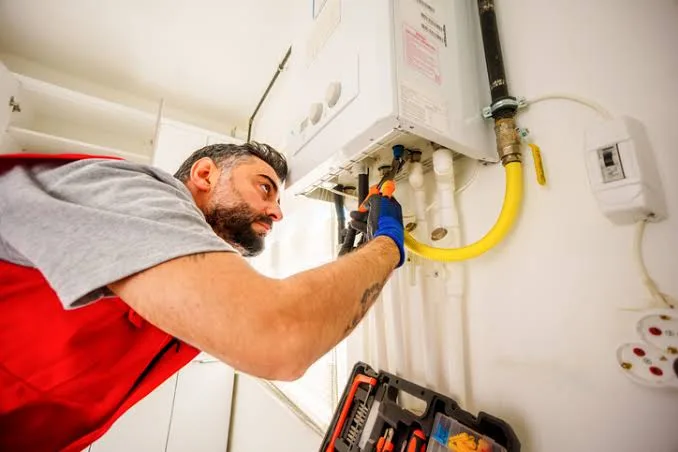
A proper installation starts with a pressure test to confirm your home’s static water pressure, since that number determines both tank sizing and pre-charge setting. From there, a Hutchinson Heating and Air technician installs a tee fitting on the cold water line near the water heater, adds a dedicated shutoff valve, and mounts the tank securely, either directly to the fitting for smaller tanks or with additional support bracing for larger ones. Once connected, the system is pressure tested again to confirm the tank is absorbing expansion correctly before the job is considered complete.
Why Hiring an Expert Is Worth It
They Measure First, Then Pick the Tank
Guessing at tank size is one of the most common homeowner mistakes, and a technician avoids it by testing your actual pressure first.
Permits and Code Get Handled
Your technician pulls the necessary permits and schedules inspection, so you’re not left navigating city requirements on your own.
Your Warranty Stays Valid
Professional installation documentation protects your water heater’s manufacturer warranty if a thermal expansion related claim ever comes up.
They Notice Other Problems While They’re There
A technician working near your water heater often catches early signs of anode rod wear, valve corrosion, or sediment buildup before those become bigger repairs.
Conclusion
The cost to install water heater expansion tank isn’t just another line item, it’s a small investment that protects your entire plumbing system from the daily stress of thermal expansion. Whether you’re dealing with a thermal expansion tank installation cost for a brand new water heater or facing a water heater expansion tank cost because your old one finally waterlogged, getting it done right the first time saves you money down the road.
If you’re in Temecula, Murrieta, or the surrounding area and want an honest assessment of what your home actually needs, our team at Hutchinson Heating and Air is happy to take a look. We also handle full Heater Installation Temecula & Murrieta if your water heater itself needs attention alongside the expansion tank. Contact us today to schedule a visit and get a clear, upfront quote for your home.
FAQs
Can I install a water heater expansion tank myself?
Yes, if you’re comfortable with basic plumbing work and have the right tools, though getting the pre-charge pressure wrong is a common mistake. Many homeowners choose to hire a licensed technician to keep their warranty and permit compliance intact.
How long does a water heater expansion tank last?
Most tanks last 5 to 10 years, though high water pressure can shorten that lifespan considerably. A simple tap test can tell you if the internal diaphragm has already failed.
How do I know if I need a water heater expansion tank?
If your home has a check valve, backflow preventer, or pressure regulator on the main water line, you almost certainly need one under current plumbing code. A dripping pressure relief valve or banging pipes are also strong indicators.
Does a water heater expansion tank reduce water pressure?
No, it doesn’t reduce your baseline water pressure. Instead, it absorbs pressure spikes caused by thermal expansion, keeping your system pressure more stable overall.
Is a water heater expansion tank required by code?
In most areas with a closed plumbing system, yes, it’s a code requirement, not just a recommendation. Our team can confirm your local requirements and whether your home’s setup qualifies during an inspection.