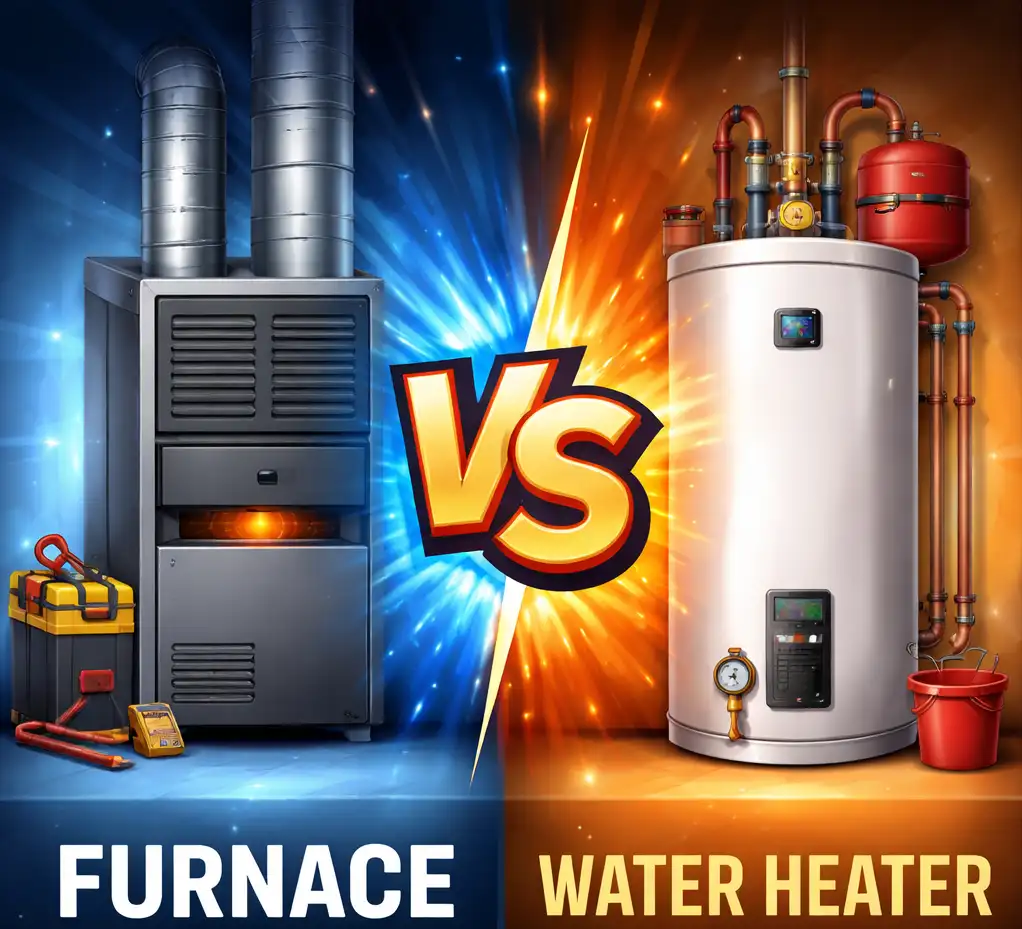
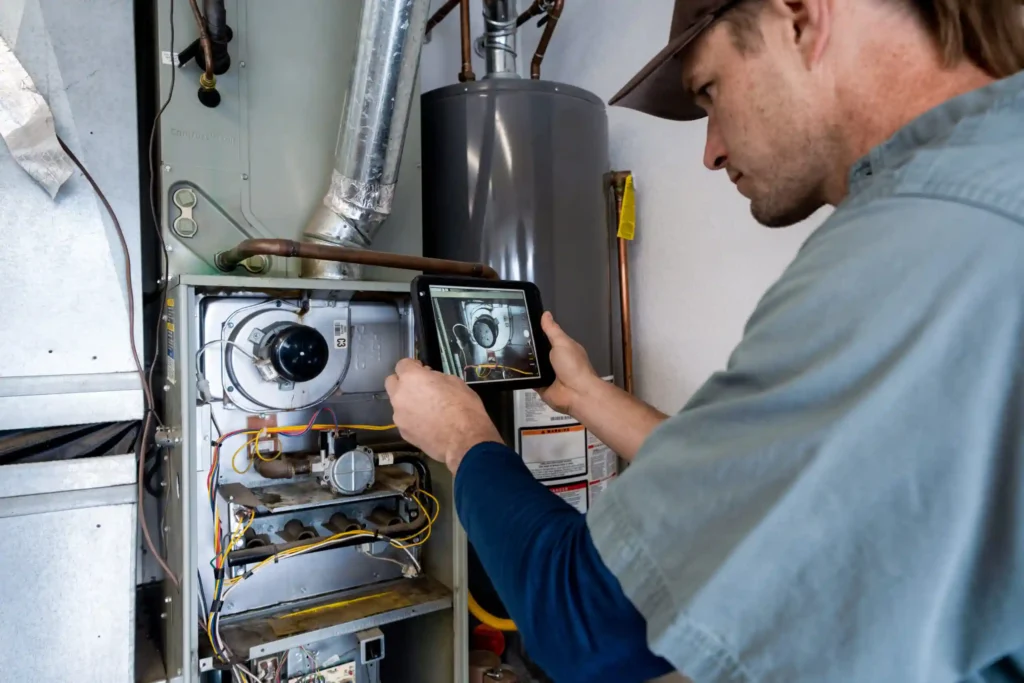
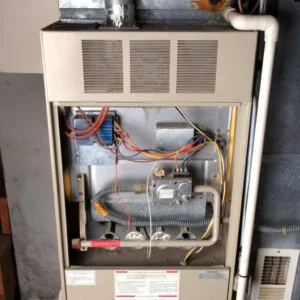
A furnace is a critical component of any household, and that’s especially true in cold climates, where warm air circulation can make all the difference in comfort and security. There are many furnaces of older vintage out there that are still in use today, as homes and opinions on replacing equipment vary far and wide, but age has a lot to do with the performance, efficiency, and, yes, safety of the equipment. If your heating system is from the 1990s or even older, you might be wondering if you need to replace it and how much longer you can expect it to last.
Uncovering the answer to Should a 25-Year-Old Furnace Be Replaced? involves a bit more than just seeing if the appliance powers up. A combination of things like decreased efficiency, increased repair costs, obsolete technology, and safety concerns. This guide explains furnace age, signs to look for, cost factors, and new technology so you can decide with confidence for your home.
Understanding the Average Furnace Lifespan
Even with good care, most are not made to last forever. The average furnace lifespan is usually about 15-20 years, but it can vary based on the way it is used, the quality of the installation, and how well it has been maintained. While some may last beyond that range, efficiency and reliability tend to take a significant hit after 20 years.
The internal components of a furnace experience wear and tear over time, which leads to decreased heating output. Heat exchangers weaken, motors become less efficient, and older systems burn more fuel to make the same amount of heat. Even if the equipment still works, it may no longer meet the energy or heating needs of the home.
An over-age furnace can also be a “slip and fall” hazard. Failures are getting more common, and replacement parts may be more difficult or costly to obtain. In the long run, running an older unit may cost you more in energy bills and unexpected repair work.
You may read How to Bleed an Oil Furnace?
Furnace Life Expectancy by Type
When considering furnace replacement, you need to be aware of the furnace life expectancy by type. Heating systems age differently based on their design, the fuel source, and the workload.
Gas furnaces have an average life expectancy of 15 to 20 years and are most widely used for residential heating. Oil furnaces can live a little bit longer, usually up to 25 years if well-maintained. As they have fewer moving mechanical parts, electric furnaces can sometimes last more than 20 years, but may be less cost-effective in regions where the cost of electricity is high.
No matter the type, a furnace at 25 years of age is considered well beyond the manufacturer’s typical recommendation.
Is a 25-Year-Old Furnace Too Old to Keep Running?
The question Is a 25-year-old furnace too old to safely operate for a homeowner is a common one. Most of the time, yes, the answer is leaning more towards yes, not because the furnace is going to fail, but because the risks and the cost associated with those being so much more are closer to what a replacement is in age.
Older furnaces are much less efficient than today’s high-efficiency models. Many ‘old systems’ are the best they can be, operating at around 60–70% efficiency, whereas today’s furnaces can reach beyond 95%. Monthly heating bills and total energy use are directly affected by that number.
Key Signs of an Old Furnace You Shouldn’t Ignore
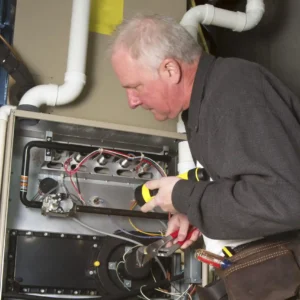
Identifying the signs of an old furnace will save you from a panicked, rushed repair call in the middle of a chilly winter night. These warning signals often come on so slowly that you can barely notice them.
Uneven Heating Is One of the Most Common Signs That Your Furnace Needs Repair. While that is perfectly normal, if several rooms in your home feel especially chilly, then we may have a bigger problem on our hands. Increased energy bills without an increase in consumption are also a sign of inefficiency.
Strange sounds, constant cycling, or a never-ending string of repairs are good signs that the system is at the end of its useful life. Also, if parts for your furnace model are no longer being made or are prohibitively expensive, it’s often more cost-effective to replace rather than keep patching.
Repair vs. Replacement: Which Makes More Sense?
When to repair vs replace an old furnace with a thinned wallet that doesn’t only apply to immediate household wants and needs? Small fixes can be cheap, but if you have to keep calling for aid, it can start to get expensive. In general, repair costs over 30–40% the cost of a new system is the point where replacement is considered the more cost-effective option.
Older furnaces are also less efficient, meaning you’re paying more for less heat every month. Repairs can keep a unit running, but not necessarily running efficiently. In the long run, the escalating energy costs can exceed the cost of buying a new furnace.
Replacement provides long-term stability, predictable performance, and enhanced comfort. It removes the uncertainty of emergency breakdowns and allows homeowners to plan for investments—not emergencies.
Would Repairs Be Enough?
Age Is the Biggest Clue
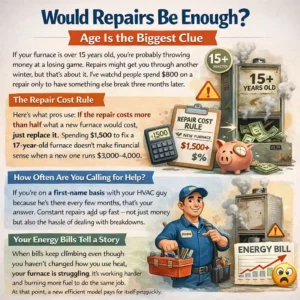
If your furnace is over 15 years old, you’re probably throwing money at a losing game. Repairs might get you through another winter, but that’s about it. I’ve watched people spend $800 on a repair only to have something else break three months later.
The Repair Cost Rule
Here’s what pros use: If the repair costs more than half what a new furnace would cost, just replace it. Spending $1,500 to fix a 17-year-old furnace doesn’t make financial sense when a new one runs $3,000-4,000.
How Often Are You Calling for Help?
If you’re on a first-name basis with your HVAC guy because he’s there every few months, that’s your answer. Constant repairs add up fast—not just money but also the hassle of dealing with breakdowns in the middle of January.
Your Energy Bills Tell a Story
When bills keep climbing even though you haven’t changed how you use heat, your furnace is struggling. It’s working harder and burning more fuel to do the same job. At that point, a new efficient model pays for itself pretty quickly.
Energy Efficiency and Cost Savings with Modern Furnaces
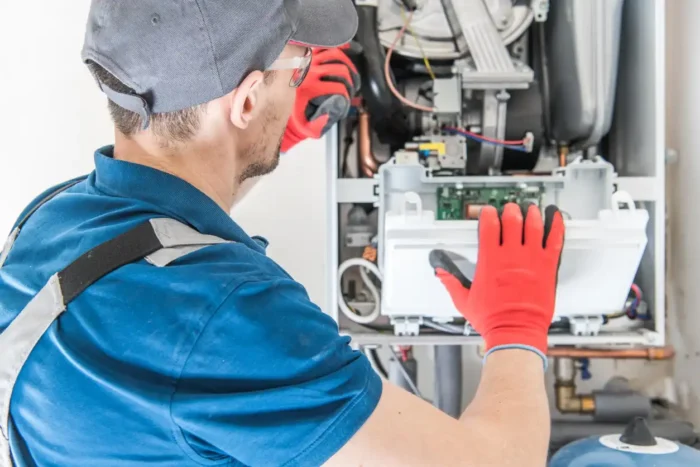
Improved energy efficiency is one of the largest benefits of replacing an old furnace. Systems now are built to generate the most heat with the least fuel use, leading to lower monthly utility bills.
Advanced heat exchangers, variable speed blowers, and smart thermostats allow high-efficiency furnaces to achieve the best performance. These capabilities ensure consistent indoor temperatures and also reduce system component wear, lengthening the unit’s life.
Though the initial cost for a new furnace can be intimidating, the long-term savings usually make it worthwhile. Many homeowners report dramatic cost savings within the first few years, making replacement a comfort and financial upgrade.
Benefits of a New Furnace
Comfort
No more shivering in certain rooms while others feel like a sauna. A new furnace actually distributes heat the way it’s supposed to—evenly. You get real control over your thermostat instead of guessing games. Oh, and you won’t hear that constant rumbling noise older units make. It’s surprisingly nice having a quiet furnace.
Energy Efficiency and Convenience
Here’s the thing—your energy bills will drop. New furnaces just don’t waste energy like the old ones did. They’re built smarter and run cleaner, which helps the planet a bit too. A lot of them now work with your phone, so if you’re still at work and want to come home to a warm house, you can turn it on from anywhere. Pretty handy.
Safety and Other Considerations
Older furnaces can crack and leak stuff you definitely don’t want in your home. That worry goes away with a new one. You’ll also stop dealing with constant repair calls—nobody misses those.
Your air gets cleaner because newer models have better filters. And when it’s time to sell? A new furnace makes buyers feel good about the house. Nobody wants to buy a place and immediately spend thousands on a new heating system.
What to Look for When Choosing a New Furnace
Size Matters More Than You Think
Don’t just grab the biggest furnace thinking it’s better. You need one that fits your home’s square footage. Too big wastes energy, too small leaves you cold. A good HVAC tech will do the math for you—it’s called a load calculation.
Check the Efficiency Rating
Look at the AFUE number (it’s like MPG for furnaces). Anything above 90% is solid. Higher ratings cost more upfront but save you money over time. I’ve seen people spend extra on 98% efficiency and wonder why their bills barely changed—sometimes 95% is the sweet spot.
Warranty Actually Matters
Read the fine print on warranties. Some cover parts for 10 years, others just 5. Labor coverage varies too. A longer warranty usually means the manufacturer trusts their product.
Brand Reputation
Stick with established manufacturers that have been around for years. They’re reliable for a reason. Sure, lesser-known brands might be cheaper, but finding parts and qualified techs gets tricky. Your neighbor’s furnace experience is worth asking about too.
Conclusion
Yes, in most cases, a 25-year-old furnace should be replaced. While it may still run, older furnaces are often inefficient, costly to operate, and can pose safety risks due to worn components and outdated technology. Replacing it improves indoor comfort, lowers energy bills, and gives long-term peace of mind.
If your furnace is nearing or past 25 years, upgrading to a modern system is usually the most practical and cost-effective decision. Hutchinson Heating and Air Conditioning provides trusted HVAC services in Temecula, helping homeowners choose the right furnace for their comfort needs and budget. Call today to schedule an inspection or get a free furnace replacement estimate in Temecula.
Frequently Asked Questions (FAQs)
Is it safe to use a 25-year-old furnace?
It can be safe if properly maintained, but the potential for heat exchanger damage and the absence of modern safety features mean that age brings increasing risk.
How do I tell if my furnace is dying?
Repairs becoming more frequent, higher energy bills, inconsistent heating throughout your home, and strange noises coming from your blower or ducts are all signs that you should start thinking about replacing your heating system.
Is a new furnace costlier?
Upfront expenses are higher, but energyesavings and cuts in repair costs usually make the investment worthwhile.
Will a new furnace really reduce my heating costs?
Yes. New high-efficiency furnaces consume far less fuel to generate the same heat, so you will save money each month.
Can I change my furnace before it dies?
Proactive replacement also tends to be less costly than an emergency replacement during the peak winter demand.
How long does it take to put in a new furnace?
Depending on the complexity of the system and your home’s needs, most furnaces can be installed in one day.
Do newer furnaces need less maintenance?
They still need yearly maintenance, but older systems are more prone to breaking down, and a brand new system should run reliably for a long time.