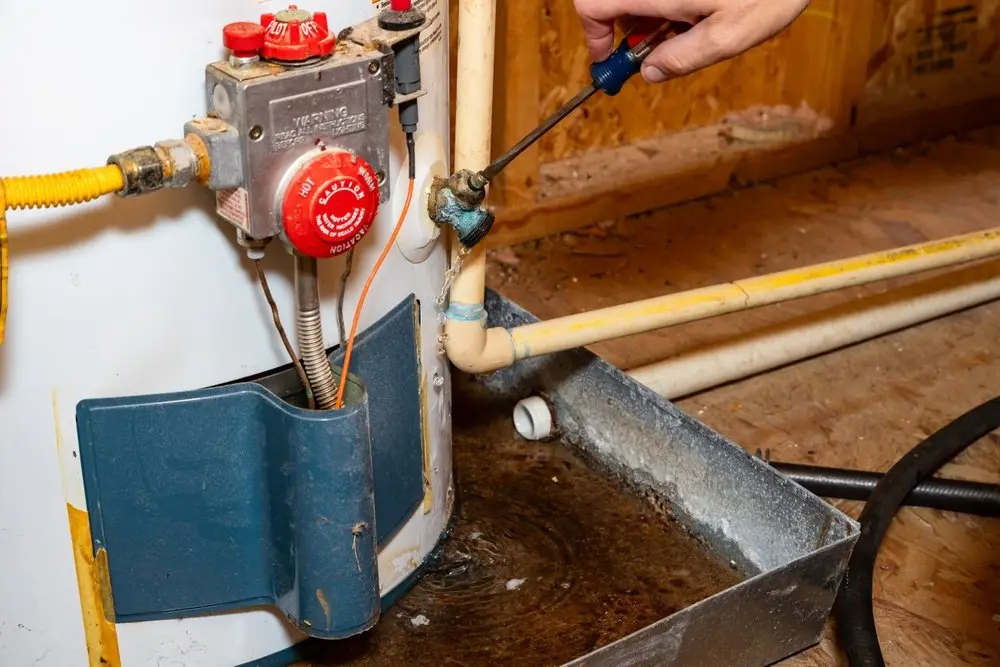
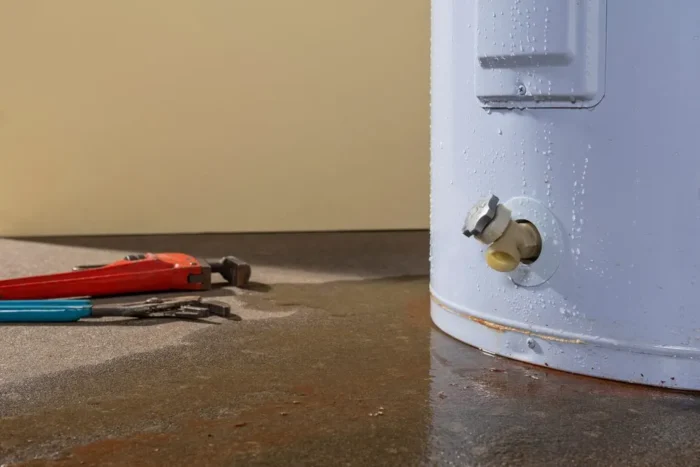
When water heater is leaking from bottom, many homeowners first notice puddles, damp flooring, rusty water, or strange popping noises near the tank. Some leaks come from loose valves or fittings, while others may signal serious tank corrosion or internal damage. Ignoring even a small leak can lead to costly water damage and sudden system failure.
At Hutchinson Heating and Air, homeowners often ask whether a hot water tank leaking from bottom can be repaired or replaced. Understanding the cause of Water Heater dripping From Bottom problems can help you act quickly and protect your home from larger plumbing issues.
Is a Water Heater Leaking From Bottom Dangerous?
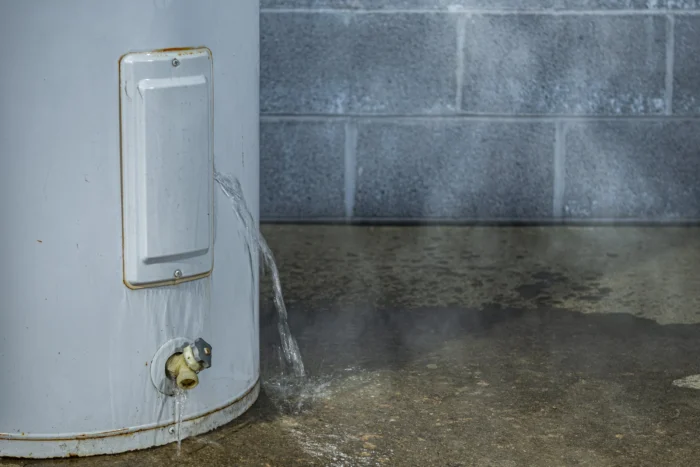
A leaking water heater is not something homeowners should ignore. Even a small amount of water around the base of the unit can signal internal damage or unsafe operating conditions.
Risk of Water Damage
One of the biggest concerns with a bottom of hot water heater leaking is water damage inside the home. Water can spread under flooring, behind walls, and into nearby storage areas. If left untreated, moisture can weaken drywall, damage wood framing, and ruin flooring materials.
In some homes, a slow leak goes unnoticed for weeks until mold growth or warped flooring appears around the utility area.
Electrical Hazards
Electric water heaters create additional safety risks when water pools near electrical connections. Standing water around wiring or heating elements increases the chance of electrical shock or short circuits.
If you notice Water Heater Is Leaking from bottom near electrical components, avoid touching wet surfaces until the power has been safely turned off.
Tank Burst Risk
In severe cases, internal pressure buildup can weaken the tank enough to cause cracking or sudden rupture. A failed water heater tank can release dozens of gallons of hot water into the home within minutes.
Although rare, this situation becomes more likely in older tanks with heavy corrosion or neglected maintenance.
Mold and Moisture Problems
Constant moisture around the heater creates the perfect environment for mold growth. Even a slow leak can increase humidity levels in small utility closets or garages. Mold spores can spread quickly and may affect indoor air quality over time.
What To Do Immediately If Your Water Heater Is Leaking From Bottom
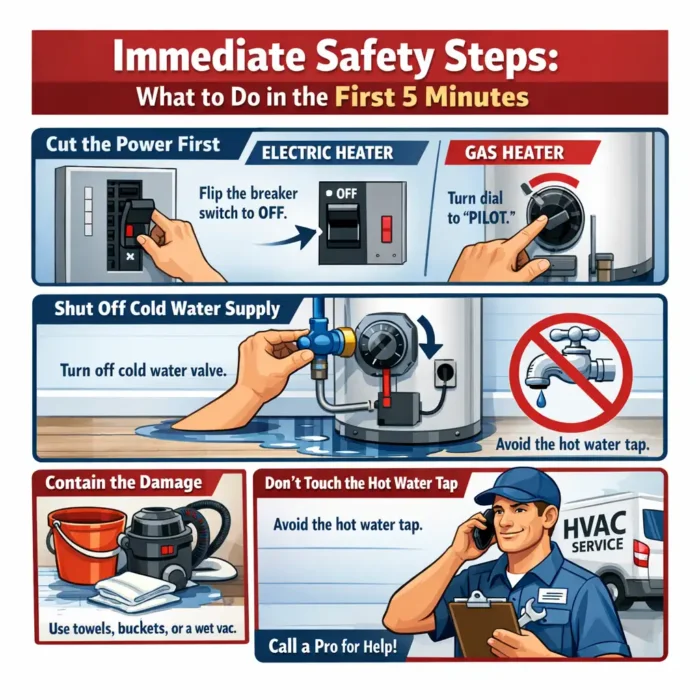
If you discover water around the tank, acting quickly can reduce damage and improve safety.
Turn Off the Power Supply
The first step is shutting down the heater safely.
For Electric Water Heaters
Turn off the circuit breaker connected to the unit. Never stand in water while handling electrical panels.
For Gas Water Heaters
Turn the gas control valve to the “off” position. If you smell gas, leave the area immediately and contact emergency services or your gas provider.
Shut Off the Water Supply Valve
Locate the cold water shut-off valve above the heater and turn it clockwise to stop water entering the tank. This can slow or stop active leaking until the system is inspected.
Avoid Standing Water Near Electrical Components
If water is spreading near outlets or appliances, stay clear until power has been disconnected. Safety should always come first when dealing with Water Heater dripping From Bottom problems.
Check How Severe the Leak Is
Look carefully at the amount of water collecting near the base. A few drops may indicate condensation or a loose fitting, while constant pooling could point to internal tank failure.
Call a Water Heater Professional
If the source is unclear or the leak is getting worse, professional inspection is the safest option. Experienced technicians can determine whether repair or replacement makes more sense.
Homeowners searching for reliable Heater Repair Temecula & Murrieta services often need fast diagnosis before major water damage develops.
Why Is My Water Heater Leaking From Bottom?
Several different problems can cause a hot water tank leaking from bottom situation. Identifying the exact issue is important before deciding on repairs.
Loose Drain Valve
The drain valve sits near the bottom of the tank and allows flushing during maintenance. Over time, this valve may loosen, crack, or wear out.
Common signs include:
- Small dripping near the valve
- Moisture after draining the tank
- Water collecting slowly beneath the unit
Sometimes tightening the valve slightly solves the issue. In other cases, replacement is necessary.
Sediment Buildup Inside the Tank
Minerals from hard water settle inside the tank over the years. This sediment layer traps heat and forces the heater to work harder.
As sediment thickens, homeowners may notice:
- Rumbling or popping noises
- Reduced hot water supply
- Overheating inside the tank
- Water Heater Is Leaking From Bottom due to internal stress
Sediment damage is one of the most common causes of premature tank failure.
Faulty Temperature and Pressure Relief Valve
The T&P valve protects the tank from dangerous pressure buildup. If pressure becomes too high, the valve releases water to protect the system.
A failing relief valve may leak continuously because of:
- Excessive water pressure
- Overheating
- Valve wear and corrosion
Sometimes the leak appears to come from the bottom because water travels down the side of the tank.
Condensation Around the Water Heater
Not every leak means the tank has failed. In humid conditions, condensation can form around cold water pipes or the tank surface.
Condensation is usually:
- Light and temporary
- Common during high humidity
- Less severe than active leaking
Homeowners often mistake condensation for bottom of hot water heater leaking problems.
Rusted or Corroded Tank
As tanks age, the internal lining begins breaking down. Corrosion eventually eats through metal surfaces, allowing water to escape.
Warning signs include:
- Rust-colored water
- Corrosion near fittings
- Visible rust around the tank base
- Repeated leaking problems
Unfortunately, severe internal corrosion usually means replacement is the only long-term solution.
Cracked Water Heater Tank
A cracked tank is one of the most serious water heater issues. Once the tank itself splits, repairs are rarely effective.
Most cracked tanks result from:
- Old age
- Pressure stress
- Sediment overheating
- Internal corrosion
If Water Heater Is Leaking From Bottom because of tank damage, replacement becomes necessary.
How To Identify Where the Water Leak Is Coming From
Finding the exact source of the leak helps determine whether repair is possible.
Leak From the Bottom
A direct bottom leak often points to:
- Drain valve problems
- Internal tank corrosion
- Cracked tank failure
Leak From the Top
Leaks near the top usually involve:
- Loose pipe fittings
- Faulty supply lines
- T&P valve issues
Water may run downward and appear as if the leak is coming from the base.
Leak Around the Drain Valve
Check the drain valve carefully using a flashlight. If dripping increases after flushing maintenance, the valve may not be sealing properly.
Leak Near Water Supply Lines
Cold and hot water connections can loosen over time. Minor leaks here are often repairable with fitting adjustments or connector replacement.
Leak Around the T&P Relief Valve
If water drips from the relief valve pipe, excessive pressure or overheating may be occurring inside the tank.
How To Tell If the Tank Has Failed
Signs of complete tank failure include:
- Constant leaking
- Rust around the lower tank
- Large puddles forming quickly
- Tank age over 10 years
- Water Heater dripping From Bottom continuously
Can a Leaking Water Heater Be Repaired?
Some leaks are repairable, while others require replacement.
Problems That Are Usually Repairable
Repairable issues often include:
- Loose fittings
- Drain valve leaks
- Pressure relief valve replacement
- Minor pipe connection leaks
These repairs are usually affordable when caught early.
Problems That Usually Require Replacement
Replacement is often necessary when there is:
- Severe corrosion
- Internal tank rust
- Cracked tank walls
- Major structural damage
Trying to repair a failed tank typically leads to more problems later.
Temporary Fixes vs Permanent Solutions
Some homeowners use temporary patches or leak sealers. While these may slow leaking briefly, they rarely solve the actual issue.
Professional diagnosis is usually the safest long-term approach.
When Should You Replace a Leaking Water Heater?
Sometimes replacing the system is more cost-effective than repeated repairs.
Water Heater Age Over 10 Years
Most standard tanks last between 8 and 12 years. Older systems are far more likely to develop leaks and efficiency problems.
Rusty or Dirty Hot Water
Discolored water often indicates internal corrosion inside the tank.
Frequent Water Leaks
Repeated leaking usually signals widespread wear rather than a single isolated issue.
Reduced Heating Performance
If hot water runs out quickly or heating becomes inconsistent, the system may be approaching failure.
High Repair Costs
When repair expenses continue adding up, replacement may provide better long-term value and reliability.
At Hutchinson Heating and Air, many homeowners choose replacement after dealing with repeated Water Heater Is Leaking From Bottom problems that continue returning.
How Much Does It Cost To Fix a Water Heater Leak?
Repair costs vary depending on the exact problem.
Drain Valve Repair Cost
Minor drain valve repairs are usually among the least expensive fixes.
Pressure Relief Valve Replacement Cost
Replacing a faulty T&P valve typically costs more than a simple fitting repair but remains affordable compared to tank replacement.
Water Heater Tank Replacement Cost
Replacing the full unit becomes necessary when the tank itself fails. Costs depend on:
- Tank size
- Energy efficiency
- Installation complexity
- Gas vs electric systems
Emergency Repair Costs
After-hours emergency service often increases labor pricing.
Labor Cost Factors
Labor costs may vary depending on:
- Accessibility
- Local plumbing rates
- Permit requirements
- Additional water damage repairs
Read More: Water Leaking From Pressure Relief Valve on Water Heater.
How To Prevent Water Heater Leaks in the Future
Routine maintenance greatly reduces leak risks.
Flush the Tank Annually
Flushing removes sediment that damages the tank over time.
Reduce Sediment Buildup
Installing a water softener may help in areas with hard water.
Inspect the Anode Rod
The anode rod protects the tank from corrosion. Replacing it periodically can extend water heater lifespan.
Check Water Pressure Regularly
Excessive pressure places stress on internal components and valves.
Schedule Routine Maintenance
Professional inspections help identify early warning signs before serious leaking develops.
Signs Your Water Heater May Fail Soon
Many water heaters show warning signs before complete failure.
Rumbling or Popping Noises
Sediment buildup often causes loud noises during heating cycles.
Rust Around the Tank
Visible rust usually indicates corrosion inside the tank.
Inconsistent Hot Water
Fluctuating water temperature may point to heating or tank issues.
Moisture Around the Base
Even small moisture buildup can signal developing leaks.
Discolored Water
Brown or rusty water often suggests internal tank deterioration.

Final Thoughts
When Water Heater Is Leaking From Bottom, homeowners should never ignore the warning signs. What starts as a small drip can quickly lead to major water damage, mold growth, or complete tank failure. Some issues like loose valves or fittings are repairable, while severe corrosion or cracked tanks usually require full replacement.
Regular maintenance, annual flushing, and early inspections can help extend the life of your water heater and reduce the risk of unexpected leaks. If you notice pooling water, rust, strange noises, or reduced hot water performance, it is important to act quickly before the damage worsens.
For professional diagnosis, repair, or replacement solutions, contact Hutchinson Heating and Air today and schedule an inspection with experienced heating professionals.
Frequently Asked Questions
Why is my water heater leaking from the bottom only?
A bottom leak often comes from the drain valve, internal corrosion, sediment damage, or a cracked tank. In some cases, water from upper fittings runs downward and appears to leak from the bottom.
Can I still use my water heater if it is leaking?
Using a leaking water heater is risky, especially if electrical components are nearby. Small leaks may become severe quickly, so inspection should happen as soon as possible.
Can sediment buildup cause water heater leaks?
Yes. Sediment traps heat inside the tank and creates excess stress on metal surfaces. Over time, this can weaken the tank and lead to Water Heater dripping From Bottom problems.
How long does a water heater last?
Most traditional water heaters last between 8 and 12 years with proper maintenance. Hard water conditions and neglected maintenance may shorten lifespan.
Is a leaking water heater an emergency?
A leaking tank can become an emergency if water spreads rapidly, electrical hazards develop, or the tank shows signs of rupture. Immediate action helps prevent serious damage.