If your HVAC system stopped working on a 105°F July afternoon in Temecula or Murrieta, you already know how fast “I’ll deal with it later” becomes “I need this fixed today.” Replacing a heating and cooling system is one of the biggest home investments you’ll make and most homeowners have no idea what it actually costs until they’re in the middle of a crisis. So before that moment arrives, here’s what you need to know.
This guide breaks down exactly how much a new HVAC system costs in 2026, what drives the price, and how to avoid overpaying. At Hutchinson Heating and Air, we’ve been helping Temecula and Murrieta homeowners navigate this decision for over 21 years and we’re sharing everything we tell our own customers.
What Is the Average Cost of a New HVAC System in 2026?
For most homeowners, a complete HVAC replacement in 2026 runs between $7,000 and $20,000, including equipment and installation. That’s a wide range and for good reason. A 1,000 sq ft condo and a 3,000 sq ft home with no existing ductwork are completely different projects.
Here’s a simple starting point:
| Tier | System Type | Estimated Installed Cost |
| Basic | Standard efficiency, simple install | $5,000 – $8,000 |
| Mid-Range | Higher SEER2, some upgrades | $8,000 – $14,000 |
| Premium | High-efficiency, smart controls, zoning | $14,000 – $20,000+ |
Low-End HVAC System Cost
Basic systems in the $5,000–$8,000 range typically include a standard-efficiency central AC and furnace in a smaller home with existing ductwork in good condition. These are straightforward equipment swaps, minimal labor complications, no major upgrades needed. If your home is under 1,500 sq ft and the ductwork is solid, this is a realistic range.
Mid-Range HVAC System Cost
Most Temecula and Murrieta homeowners land in the $8,000–$14,000 range. This covers a higher-efficiency system (16+ SEER2), a properly sized unit for a 1,500–2,500 sq ft home, and standard installation with minor duct work. This is the sweet spot for long-term value efficient enough to meaningfully lower your utility bills without jumping to premium pricing.
High-End HVAC System Cost
Premium installations, variable-speed systems, dual-fuel setups, zoning, smart thermostats, air purification push costs to $14,000–$20,000+. Larger homes, complex duct layouts, or homes that need full duct replacement also fall into this range. The higher upfront cost often pays back through energy savings over the life of the system.
What’s Included in a Complete HVAC System?
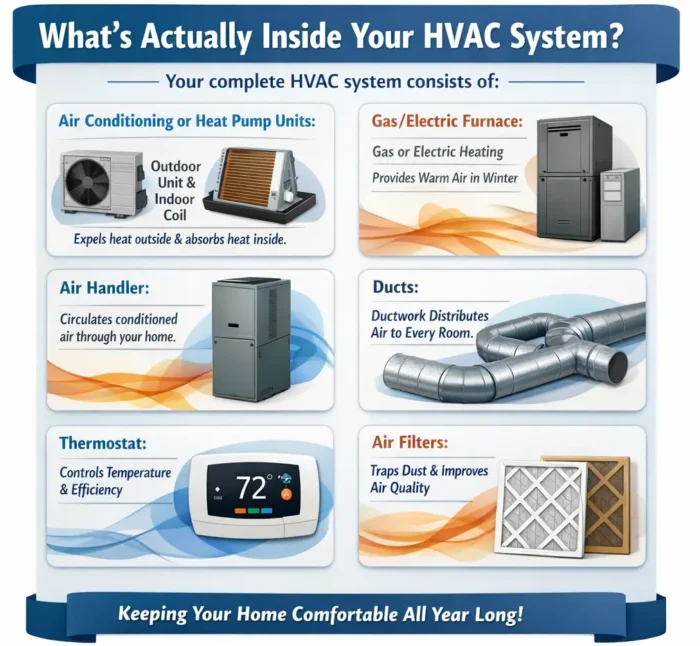
Before you react to any quote, understand what you’re actually paying for. A complete HVAC replacement isn’t just a new box, it’s a system.
Air Conditioner / Outdoor Unit
The outdoor condenser is typically the most expensive single component. It houses the compressor, condenser coil, and fan. This is what most people picture when they think “the AC unit.”
Furnace or Heat Pump
For heating, most Southern California homes use a gas furnace. Heat pumps are growing in popularity because they handle both heating and cooling, especially in our mild winters. The choice here significantly affects your total HVAC installation cost.
Ductwork
If your existing ducts are in good shape, they can stay. If they’re cracked, undersized, or poorly sealed, replacement adds $2,100–$4,000 to the total. Old ductwork forces a new system to work harder than it should.
Thermostat
A basic thermostat comes standard. A smart thermostat adds $150–$400 but pays for itself quickly through smarter scheduling and remote control especially in a climate like Temecula’s where temperatures swing hard between morning and afternoon.
Indoor Air Components
Air handler, evaporator coil, filter cabinet these indoor components work with the outdoor unit to complete the system. Skipping a paired indoor replacement to save money often creates compatibility issues and voids manufacturer warranties.
HVAC System Cost by Type
Not all systems are priced equally. The type you choose is one of the biggest cost drivers.
Central Air Conditioner + Gas Furnace Combo
The most common setup in Temecula and Murrieta. Installed cost typically runs $8,000–$14,000 for a mid-range system in a 2,000 sq ft home. Two separate pieces of equipment, but they work together through the same duct system.
Heat Pump Systems
Heat pumps do double duty cooling in summer, heating in winter. They run $8,000–$18,000 installed depending on type and size. Air-source heat pumps are increasingly popular due to federal incentives. In Southern California’s mild winters, they’re highly efficient.
Ductless Mini-Split Systems
No ductwork required. Each zone gets its own indoor unit. Total HVAC replacement cost runs $2,000–$14,500 depending on how many zones you need. Great for room additions, converted garages, or homes with older duct systems not worth repairing.
Packaged HVAC Units
All components in a single outdoor cabinet. Common in homes with limited indoor space. Installed cost ranges from $7,000–$13,000. Maintenance is simpler since everything is in one location.
Dual Fuel HVAC Systems
A heat pump paired with a gas furnace backup. The system automatically switches to whichever is more efficient based on outdoor temperature. Higher upfront cost ($10,000–$18,000+), but excellent long-term efficiency for larger homes.
HVAC System Cost by Home Size
Home size directly determines what tonnage you need, which drives equipment cost. Here are general installed cost estimates:
| Home Size | Estimated System Size | Estimated Cost |
| 1,000 sq ft | 1.5 – 2 ton | $5,000 – $8,500 |
| 1,500 sq ft | 2 – 2.5 ton | $7,000 – $11,000 |
| 2,000 sq ft | 3 ton | $8,500 – $14,000 |
| 2,500 sq ft | 3.5 – 4 ton | $10,000 – $16,000 |
| 3,000+ sq ft | 4 – 5 ton | $13,000 – $20,000+ |
These are estimates. Actual sizing must be determined by a Manual J load calculation more on that below.
What Factors Affect the Cost of a New HVAC System?
System Size and Tonnage
Bigger home = bigger system = higher cost. But bigger isn’t always right. An oversized system causes more problems than an undersized one.
Home Square Footage and Layout
Open floor plans distribute air differently than compartmentalized layouts. Multi-story homes need more capacity. All of this affects how much does HVAC replacement cost for your specific home.
Existing Ductwork Condition
Good ducts = lower total cost. Damaged, undersized, or leaking ducts add significant cost and must be addressed for the new system to perform correctly.
SEER2 Energy Efficiency Rating
Higher SEER2 = higher upfront cost, lower monthly bills. In a hot climate like Temecula, the difference between a 15 SEER2 and 18 SEER2 system can mean real savings on SCE bills every summer.
Furnace AFUE Rating
AFUE measures heating efficiency. A 96% AFUE furnace costs more than an 80% unit but wastes significantly less gas meaning even in a mild Southern California winter.
Labor and Installation Complexity
Difficult attic access, electrical panel upgrades, two-story homes all add labor hours. Labor typically represents 30–40% of total HVAC installation cost.
Permits and Local Code Requirements
Riverside County requires permits for HVAC replacement. Permit fees run $150–$500 depending on scope. Never hire a contractor who suggests skipping permits; it creates problems when you sell the home.
New Refrigerant Regulations
This is a big one in 2026. The EPA banned production of R-410A systems. All new equipment now uses R-454B or R-32 refrigerants. The manufacturing transition added 20–30% to equipment costs compared to 2023 prices. This is one of the main reasons the cost of HVAC replacement is higher now than it was just a few years ago.
Why HVAC Costs Are Higher in 2026
If you replaced an HVAC system five years ago and are shocked by today’s quotes, here’s why:
New SEER2 Efficiency Standards
Minimum efficiency requirements increased in 2023 and continue affecting equipment pricing. Higher-efficiency components cost more to manufacture.
R-410A Phase-Out and New Refrigerant Transition
Manufacturers had to retool production lines for new refrigerants. That cost passed directly to consumers 20–30% higher equipment prices are the result.
Labor Shortages and High Technician Demand
Skilled HVAC technicians are in high demand nationally. Labor rates have risen alongside the overall construction labor market.
Ductwork and Electrical Upgrade Requirements
Newer, higher-efficiency systems sometimes require electrical panel upgrades or duct modifications to perform correctly costs that older, lower-efficiency systems didn’t trigger.
HVAC Installation Cost Breakdown
Where does the money actually go?
Equipment Costs
Typically 50–60% of the total. Outdoor unit, indoor air handler or furnace, coil, refrigerant lines.
Labor Costs
30–40% of total. Removal of old equipment, installation, refrigerant charging, system startup, testing.
Ductwork Costs
If needed: $2,100–$4,000 for a standard home. Full duct replacement in larger homes can reach $6,000–$8,000.
Permit Fees
$150–$500 in Riverside County. Always included in a legitimate contractor’s quote.
Smart Thermostat and Add-On Costs
Smart thermostat: $150–$400. Whole-home air purifier: $500–$2,000. UV light system: $300–$900. Zoning system: $1,500–$3,500.
Replacing Existing HVAC vs. Installing in a Home Without Ductwork
Standard Replacement Cost
If your home already has functional ductwork, you’re looking at a standard equipment swap. This is the most common scenario and keeps costs in the $7,000–$14,000 range for most Temecula homes.
New Installation With No Existing Ductwork
Adding new ductwork to a home that doesn’t have it is a major project. Total cost can reach $15,000–$25,000 when you factor in duct design, installation, and equipment. Ductless mini-splits are often a better alternative in this situation.
Which Option Costs More and Why
New ductwork installation always costs more than a simple replacement. If your home has older duct systems in marginal condition, get a duct inspection as part of your HVAC quote. Sometimes targeted repairs are more cost-effective than full replacement.
Should You Repair or Replace Your HVAC System?
This is the question most homeowners are really asking. Here’s how to think through it honestly.
The $5,000 Rule Explained
Multiply your system’s age by the repair cost. If the result exceeds $5,000, replacement is usually the smarter financial move. Example: a 12-year-old system needing a $450 repair = $5,400 lean toward replacement.
The 50% Rule
If a single repair costs more than 50% of what a new system would cost, replace it. Putting $3,000 into a system worth $6,000 rarely makes sense.
When Age Decides for You
Systems over 15 years old are past their prime. If yours is 15+ years old and needs any significant repair, replacement delivers better long-term value, lower energy bills, fewer breakdowns, and a full manufacturer warranty.
Repairs That Always Mean Replace
- Compressor failure (cost of repair approaches cost of new system)
- Refrigerant leaks in R-22 systems (refrigerant no longer manufactured)
- Cracked heat exchanger (carbon monoxide risk immediate safety issue)
When Repair Still Makes Sense
System under 8 years old, repair under $500, no history of repeated breakdowns repair is the right call. Keep your maintenance records so you can track patterns over time.
How to Save Money on a New HVAC System
Federal Tax Credits
The Inflation Reduction Act offers up to $2,000 in federal tax credits for qualifying heat pump systems, and up to $600 for qualifying central AC or furnace installations. These are credits, not deductions; they directly reduce what you owe in taxes.
Utility Rebates
Southern California Edison and SDG&E both offer rebates for high-efficiency HVAC equipment. These programs change annually and ask your contractor to help identify what’s currently available for your specific equipment choice.
Manufacturer Promotions and Seasonal Deals
Many manufacturers run spring and fall promotions. These are genuine savings opportunities tied to the off-peak season when demand is lower.
Financing Programs
Most reputable HVAC contractors offer financing. Zero-interest promotional periods of 12–24 months are common. This lets you invest in a better, more efficient system without the full upfront burden.
Off-Season Installation Discounts
Spring and fall are the best times to schedule replacement. Summer and winter emergency calls command premium pricing. Plan ahead if your system is aging.
Getting 3+ Itemized Quotes
Never accept a single quote. Get at least three and make sure each quote is itemized. Compare scope, not just price. A $1,000 difference between quotes might reflect completely different ductwork included or excluded.
Is a High-Efficiency HVAC System Worth the Extra Cost?
Energy Savings in a Hot Climate Like Temecula
In a climate where your AC runs June through October, efficiency matters more than in mild climates. Moving from a 14 SEER2 to an 18 SEER2 system can cut cooling energy use by 20–25% annually.
Monthly Utility Bill Reduction
On a $300/month summer electricity bill, a 20% reduction saves $60/month $360 over a six-month cooling season. Over 15 years, that’s real money.
Long-Term ROI | How Many Years to Break Even
A premium system costing $2,000–$3,000 more than a basic unit often breaks even in 5–8 years through energy savings alone and systems last 15–20 years. The math usually favors going mid-range or better.
Why Proper Sizing Matters More Than Price
Here’s something most homeowners don’t hear until it’s too late: the wrong-sized system will cost you more than a lower-quality system installed correctly.
Dangers of an Oversized System
An oversized system short-cycles it cools the air quickly but shuts off before removing humidity. You end up with a home that feels cold but clammy, and a system that wears out faster from constant start-stop cycling. In Temecula’s dry-hot summers, humidity control matters more than people realize.
Dangers of an Undersized System
An undersized system runs constantly trying to reach the set temperature, burns out faster, and never actually gets your home comfortable on the hottest days.
What a Manual J Load Calculation Is and Why You Must Demand It
A Manual J load calculation is the industry-standard method for correctly sizing an HVAC system. It accounts for your home’s square footage, insulation levels, window placement, ceiling height, local climate data, and more. At Hutchinson Heating and Air, every system replacement begins with a proper load calculation; it’s the only way to know what your home actually needs, not what was installed before.
Never accept a contractor who sizes a replacement by simply matching the old system’s tonnage. That’s not sizing, that’s guessing.
What to Ask Your HVAC Contractor Before You Sign
Is a Manual J Load Calculation Included?
If the answer is no, walk away. Proper sizing is non-negotiable.
What Warranties Are Provided (Parts + Labor)?
Manufacturer warranties on equipment typically run 5–10 years on parts. Labor warranties vary by contractor ask specifically. Some manufacturers extend warranties only when installation is done by certified technicians.
Are Permits Included?
Yes should be the only acceptable answer. Unpermitted HVAC work can create problems with homeowner’s insurance and home sales.
What Refrigerant Does the New System Use?
Your new system should use R-454B or R-32 not R-410A. Any contractor still installing R-410A systems is selling you outdated, non-compliant equipment.
Is Old Equipment Disposal Included?
Old units contain refrigerants that require certified disposal. Confirm this is handled in the quote, not left to you.
You may read How Much Does It Cost to Replace AC & Furnace?
Benefits of Investing in a New HVAC System
Lower Monthly Energy Bills
Modern systems use 20–40% less energy than systems installed 15 years ago. The efficiency improvements in recent years have been significant.
Better Indoor Comfort Year-Round
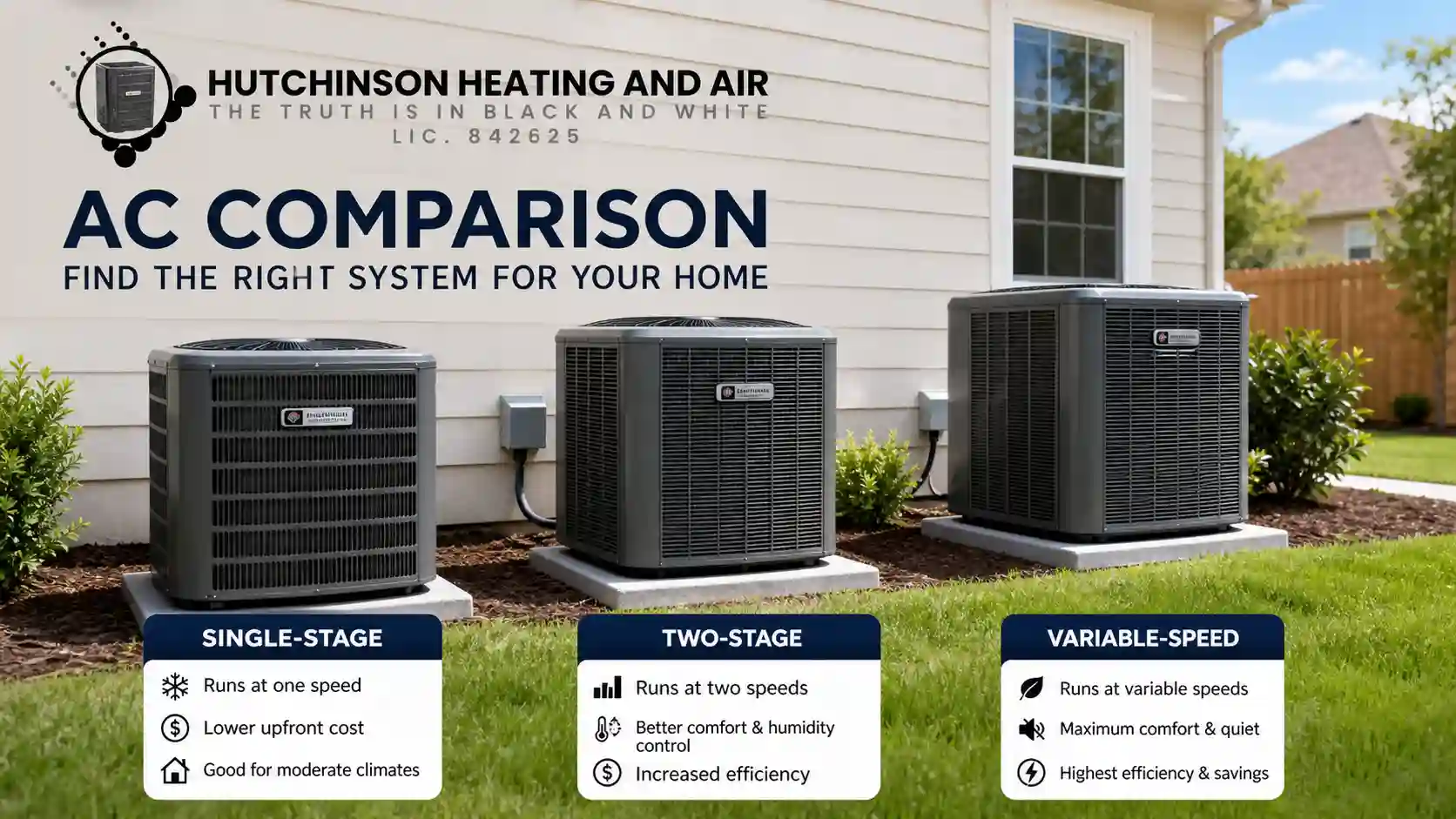
Newer variable-speed systems maintain more consistent temperatures, run quieter, and handle humidity more effectively than older single-stage equipment.
Improved Indoor Air Quality
New systems work better with modern filtration and air purification add-ons. If anyone in your home has allergies or asthma, this is a meaningful upgrade.
Increased Home Resale Value
A new HVAC system adds 5–10% to perceived home value and significantly speeds up sale timelines. Buyers in Temecula and Murrieta know what a hot summer looks like and a new system is a genuine selling point.
Fewer Emergency Repairs
New systems come with full manufacturer warranties and haven’t accumulated years of wear. The first decade of a properly installed system should be nearly repair-free.
Conclusion
A new HVAC system is a significant investment but it’s also one that directly affects your family’s comfort, your monthly energy bills, and your home’s value for the next 15–20 years. Understanding the real cost of HVAC replacement before you’re in an emergency situation gives you the time to compare options, take advantage of rebates, and make a decision based on value rather than panic.
The numbers in this guide give you a realistic baseline. But the only way to get an accurate cost for your specific home is a proper in-home assessment with a Manual J load calculation not a ballpark over the phone.
If you’re in Temecula or Murrieta and your system is aging, starting to cost more in repairs, or simply not keeping up with summer heat the way it used to, don’t wait for it to fail completely. Contact us today for HVAC Services in Murrieta and Temecula, CA the team at Hutchinson Heating and Air offers free in-home estimates, honest recommendations, and NATE-certified installation you can trust.
Ready to upgrade your HVAC system?
Contact us today for a free consultation and expert HVAC installation services tailored to your home and budget!
Frequently Asked Questions
How long does a new HVAC system last?
Most residential HVAC systems last 15–20 years with proper annual maintenance. Heat pumps typically reach 15 years, while gas furnaces can last 20 years or longer. Regular maintenance annual tune-ups, consistent filter changes is the biggest factor in maximizing lifespan.
What is the cheapest month to buy a new HVAC system?
Spring (March–April) and fall (September–October) offer the best pricing and contractor availability. Avoid summer and winter if possible peak demand means higher prices and longer wait times for installation.
Does a new HVAC system increase home value?
Yes. A new system typically adds 5–10% to perceived home value and makes homes sell faster. In a market like Temecula and Murrieta where summer heat is intense, buyers pay attention to the age and condition of HVAC equipment.
Can I replace just the outside AC unit without replacing the inside unit?
In some cases, yes but it’s rarely recommended. Mismatched indoor and outdoor units create efficiency and compatibility issues, and most manufacturers will not honor the warranty on a new outdoor unit paired with an old indoor unit. A matched system replacement almost always delivers better value.
How much does it cost to replace HVAC ductwork?
Duct replacement in a standard 2,000 sq ft home typically costs $2,100–$4,000. Full duct replacement in larger homes or complex layouts can reach $6,000–$8,000. Targeted duct repairs sealing leaks, fixing damaged sections cost significantly less and are sometimes all that’s needed.