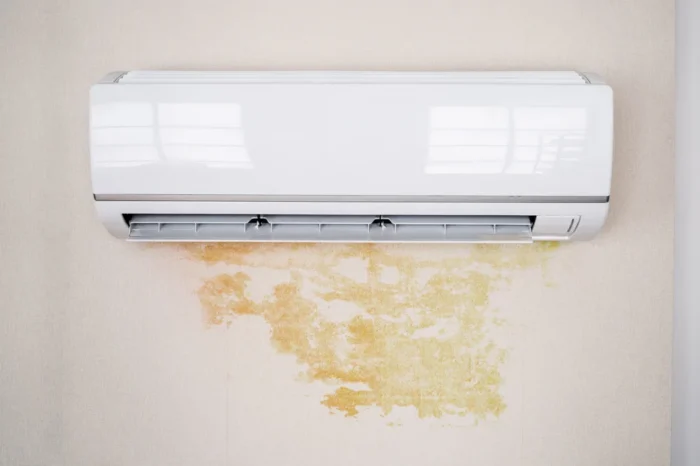
Have you ever noticed your home feels cool but still sticky and uncomfortable? If your AC Is Cooling but Not Removing Humidity, you’re not alone. An air conditioner should lower the temperature and remove excess moisture at the same time. When humidity stays high, your home can feel damp even when the thermostat reaches the desired setting.
At Hutchinson Heating and Air, we often help homeowners solve this common problem. Issues such as incorrect thermostat settings, dirty coils, low refrigerant, or oversized AC units can affect humidity control. This guide explains the causes, solutions, and signs that indicate your system needs attention.
What Does It Mean When Your AC Is Cooling but Not Removing Humidity?
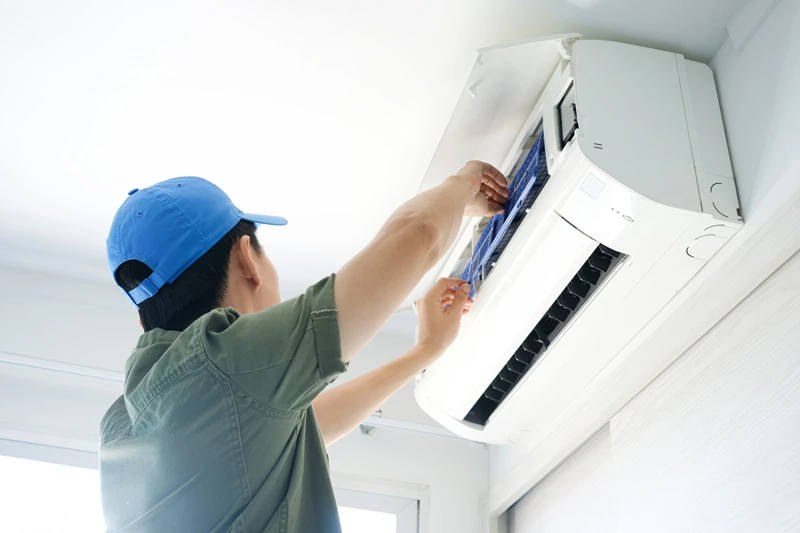
An air conditioner is designed to do more than lower the temperature. As warm indoor air passes through the system, moisture should also be removed before the cooled air is circulated back into your home.
When your AC Is Cooling but Not Removing Humidity, the temperature may reach your thermostat setting, but moisture levels remain high. As a result, your home can feel sticky, clammy, and uncomfortable despite being cool.
This often leads homeowners to believe their AC is working correctly because cold air is still coming from the vents. In reality, poor humidity control is usually a sign that something within the HVAC system is preventing proper dehumidification.
How Air Conditioners Remove Humidity from Your Home
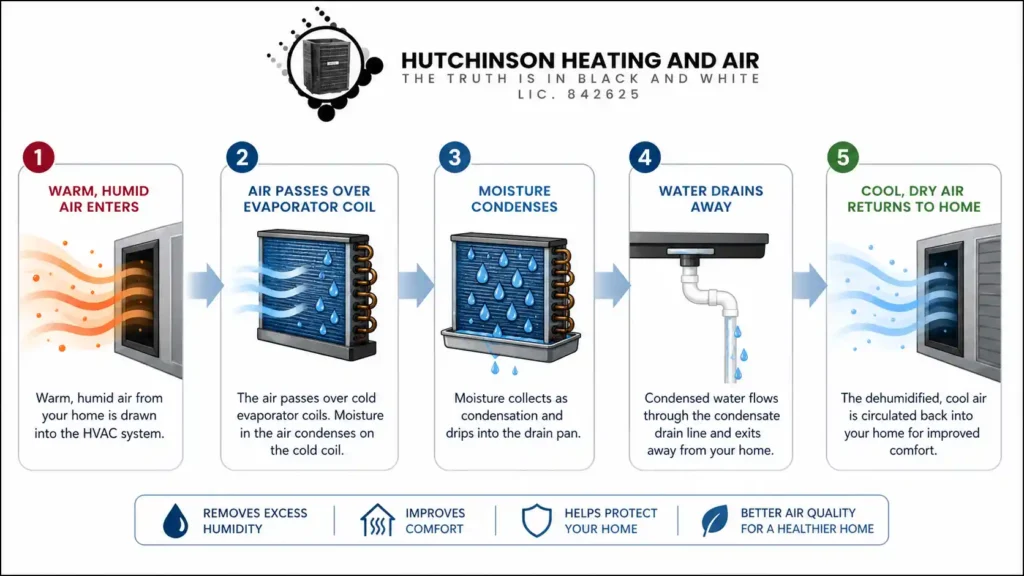
To understand why an ac not removing humidity becomes a problem, it helps to know how the process works. As warm air from your home passes over the evaporator coil, the coil absorbs heat and cools the air. During this process, water vapor in the air condenses into liquid droplets.
These droplets collect on the coil and drain through the condensate line before the cooled, drier air returns to your living spaces. This continuous process is what keeps indoor humidity at comfortable levels.
The Role of the Evaporator Coil
The evaporator coil is responsible for much of the moisture removal process. When the coil is clean and functioning properly, it removes both heat and moisture efficiently. However, if the coil becomes dirty, frozen, or damaged, humidity control can suffer significantly. Many homeowners experiencing an ac not lowering humidity issue eventually discover that coil-related problems are reducing their system’s effectiveness.
Why Cooling and Dehumidification Happen Together
Cooling and dehumidification are closely connected. Every cooling cycle should remove a portion of the moisture from indoor air. If your system is cooling but the house still feels damp, it usually means the dehumidification side of the process is not working as intended. This is one reason many homeowners report their ac not dehumidifying even though the temperature appears normal.
Signs Your AC Is Not Controlling Humidity Properly
Humidity problems often develop gradually. Knowing the warning signs can help you identify the issue before it leads to bigger problems.
Sticky or Clammy Indoor Air
One of the most obvious signs is air that feels damp or sticky. Even if the thermostat reads 72°F, the home may feel warmer than it should. This is often why homeowners ask, why does my house feel humid with the ac on?
Condensation on Windows
Excess moisture can cause condensation to form on windows, mirrors, and glass doors. If you regularly notice water droplets indoors, your humidity levels may be too high.
Musty Odors Around the House
A musty smell often indicates excess moisture and potential mold growth. Basements, closets, and rooms with limited airflow usually show symptoms first.
Indoor Humidity Above 50–60%
The ideal indoor humidity level is typically between 30% and 50%. When humidity consistently exceeds 50% to 60%, comfort decreases and moisture-related issues become more likely.
Common Reasons Your AC Is Cooling but Not Removing Humidity
Several HVAC and home-related issues can cause humidity problems.
Incorrect Thermostat Settings
Many homeowners overlook their thermostat settings when troubleshooting humidity issues.
Auto vs. On Fan Setting
The fan setting should generally be set to “Auto.”
When the fan is set to “On,” it runs continuously, even after the cooling cycle ends. Moisture that collected on the evaporator coil can be blown back into the living space before it drains away.
This can create an ongoing ac not removing humidity problem.
Oversized Air Conditioner
Bigger is not always better when it comes to air conditioning systems.
Why Short Cycling Reduces Dehumidification
An oversized system cools the home too quickly and shuts off before enough moisture can be removed. This short cycling prevents proper dehumidification and often leaves homeowners wondering why is my house so humid with the AC on despite having a powerful AC system.
Dirty Evaporator Coils
Dust and debris on evaporator coils reduce heat transfer and moisture removal. Dirty coils make it harder for the system to remove humidity efficiently.
Clogged Air Filter
A clogged air filter restricts airflow across the evaporator coil. Poor airflow reduces cooling efficiency and contributes to an ac not lowering humidity situation. Replacing filters regularly can significantly improve system performance.
Low Refrigerant Levels
Refrigerant is essential for cooling and moisture removal. If refrigerant levels drop because of a leak, your system may still cool somewhat while struggling to control humidity. Many cases of ac blowing humid air are linked to refrigerant-related issues.
Frozen Evaporator Coil
When the evaporator coil freezes, airflow becomes restricted and moisture removal suffers. Common causes include dirty filters, refrigerant problems, and airflow restrictions.
Leaky or Damaged Ductwork
Damaged ducts can pull humid outdoor air into the system. Even a well-functioning air conditioner may struggle if warm, moist air continuously enters through duct leaks.
Poor Home Ventilation
Bathrooms, kitchens, laundry rooms, and attics generate significant moisture. Without proper ventilation, humidity levels can rise faster than your AC can remove them.
Excess Indoor Moisture Sources
Everyday household activities add moisture to indoor air.
Common sources include:
- Long hot showers
- Cooking without exhaust fans
- Drying clothes indoors
- Large numbers of houseplants
- Poorly vented appliances
When combined, these sources can overwhelm your cooling system.
Aging or Inefficient Air Conditioning System
As air conditioners age, their ability to remove moisture often declines. If your system is over 10 to 15 years old, declining performance could be contributing to your ac not dehumidifying issue.
Read More: Why Is My AC Spitting Out Water?
How to Fix an AC That Is Not Removing Humidity
The right solution depends on the underlying cause.
Adjust Your Thermostat Settings
Start by checking your thermostat. Switching the fan from “On” to “Auto” can improve moisture removal immediately.
Replace or Clean the Air Filter
Dirty filters are one of the easiest HVAC problems to fix. Replacing the filter restores airflow and helps the evaporator coil function properly.
Schedule Professional AC Maintenance
Professional maintenance allows HVAC technicians to inspect key components, including:
- Evaporator coils
- Refrigerant levels
- Condensate drains
- Blower motors
- Airflow performance
Routine service often prevents humidity problems before they become expensive repairs.
If you are searching for AC Repair Murrieta and Temecula, regular maintenance can help ensure your system controls both temperature and humidity effectively.
Repair Refrigerant Leaks
Low refrigerant should never be ignored. A technician can locate the leak, repair it, and recharge the system according to manufacturer specifications.
Seal Leaky Ducts
Properly sealed ducts improve efficiency and reduce moisture infiltration. This can significantly improve humidity control throughout the home.
Improve Home Ventilation
Use bathroom exhaust fans, kitchen range hoods, and attic ventilation systems to remove excess moisture. Improved ventilation reduces the burden on your air conditioner.
Install a Whole-Home Dehumidifier
In very humid climates, a dedicated dehumidifier may be beneficial. Whole-home systems work alongside your HVAC equipment to maintain ideal indoor humidity levels.
Upgrade to a Variable-Speed Air Conditioner
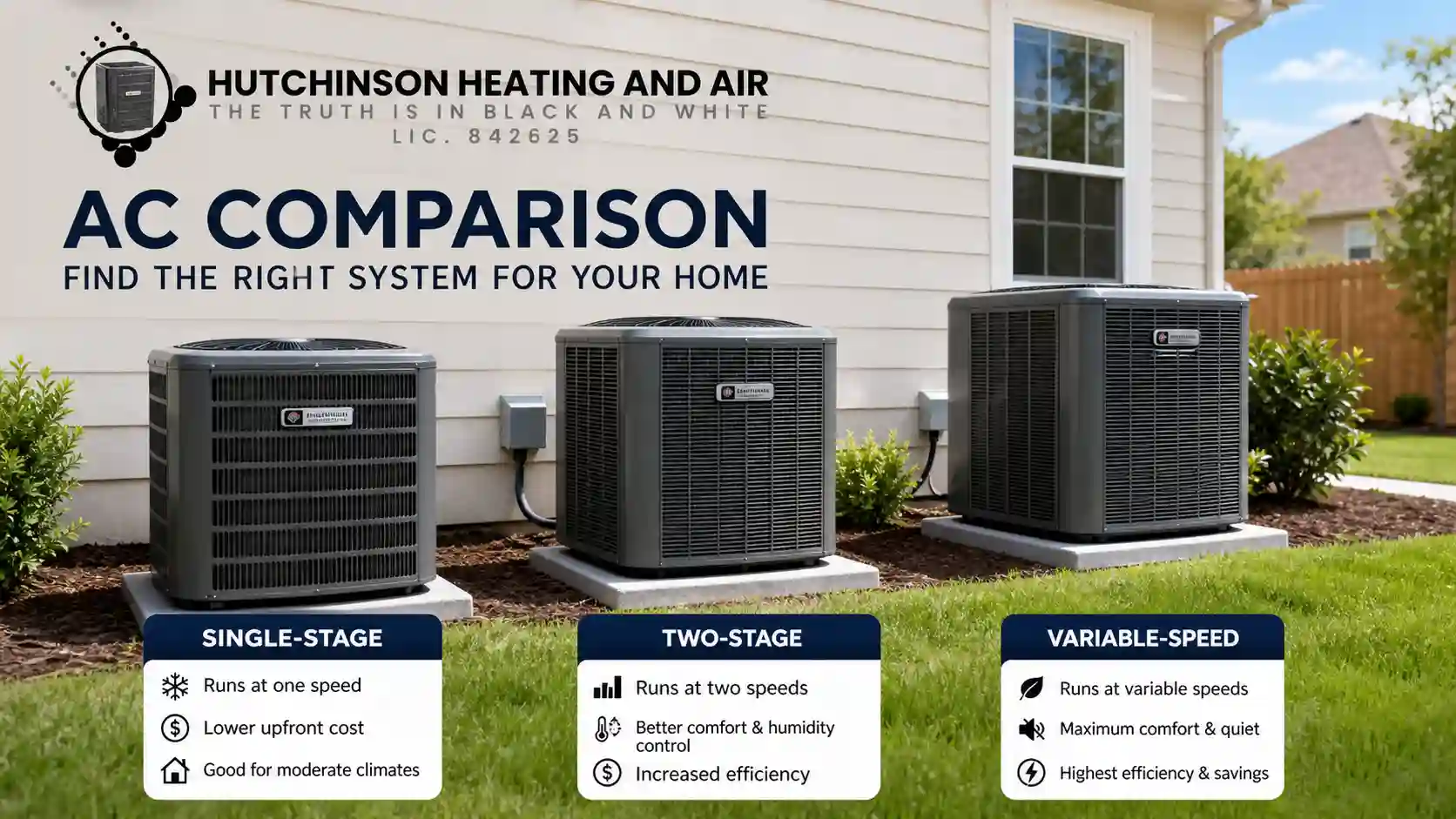
Variable-speed systems run longer at lower speeds. Longer run times improve moisture removal and provide better humidity control compared to traditional single-stage systems.
Why High Indoor Humidity Should Never Be Ignored
High humidity is more than just an annoyance. Over time, excessive moisture can affect your health, comfort, and property.
Mold and Mildew Growth
Mold thrives in damp environments. High humidity creates ideal conditions for mold growth on walls, ceilings, and furniture.
Reduced Indoor Comfort
Humid air feels warmer than dry air. This often causes homeowners to lower the thermostat unnecessarily, increasing energy consumption.
Poor Indoor Air Quality
Excess moisture encourages mold spores, dust mites, and other indoor allergens. These pollutants can negatively affect indoor air quality.
Higher Energy Bills
When your home feels humid, you may run the AC longer to stay comfortable. This increases energy usage and monthly utility costs.
Potential Damage to Walls, Flooring, and Furniture
Long-term moisture exposure can damage wood flooring, drywall, furniture, and structural materials. Ignoring humidity issues may eventually lead to costly repairs.
How to Test Indoor Humidity Levels
Measuring humidity is simple and affordable.
Using a Hygrometer
A hygrometer is a small device that measures indoor humidity. Most models are inexpensive and provide accurate readings.
Ideal Indoor Humidity Range
For most homes, indoor humidity should remain between 30% and 50%. Readings consistently above 60% often indicate a humidity problem that requires attention.
When to Call an HVAC Professional
Some humidity issues can be resolved with simple maintenance, but others require professional diagnosis.
You should contact an HVAC technician if:
- Humidity remains high despite thermostat adjustments
- Your system frequently short cycles
- You notice frozen coils
- Refrigerant leaks are suspected
- Mold growth appears indoors
- Your AC is cooling but still feels damp
Professional testing can identify hidden issues affecting system performance.
How Hutchinson Heating and Air Solves AC Humidity Problems
At Hutchinson Heating and Air, we take a complete approach to diagnosing humidity issues. Our technicians evaluate airflow, refrigerant levels, ductwork, thermostat settings, and system sizing to determine why an ac not removing humidity problem is occurring.
Whether the issue involves maintenance, repairs, duct sealing, or system upgrades, we help homeowners restore indoor comfort and improve HVAC efficiency. For homeowners needing AC Repair Murrieta and Temecula, our team provides reliable solutions designed to improve both cooling and humidity control.

Final Thoughts
If your AC Is Cooling but Not Removing Humidity, the issue should not be ignored. High indoor humidity affects comfort, indoor air quality, energy efficiency, and even the condition of your home. Problems such as dirty coils, low refrigerant, oversized equipment, airflow restrictions, and duct leaks can all contribute to poor moisture control.
If you are experiencing an ac not lowering humidity, ac not dehumidifying, or constantly wondering why does my house feel humid with the ac on, it may be time for a professional inspection. Contact Hutchinson Heating and Air today to schedule service and restore proper comfort, cooling, and humidity control throughout your home.
Frequently Asked Questions
Why is my AC cooling but not removing humidity?
Your air conditioner may be cooling properly while struggling to remove moisture because of dirty coils, low refrigerant, improper thermostat settings, duct leaks, or an oversized system. Professional diagnosis can identify the exact cause.
Can an oversized AC unit cause humidity problems?
Yes. Oversized systems cool the home too quickly and shut off before removing enough moisture. This short cycling often causes an ac not dehumidifying issue.
Should my thermostat fan be set to Auto or On?
In most cases, the fan should be set to Auto. This allows moisture to drain properly from the evaporator coil instead of being recirculated into the home.
What indoor humidity level is considered too high?
Indoor humidity above 50% to 60% is generally considered excessive. High humidity can contribute to mold growth, poor comfort, and reduced indoor air quality.
Will a dehumidifier help if my AC is not removing humidity?
Yes. A whole-home dehumidifier can help control moisture levels when the air conditioner alone cannot keep humidity within the recommended range.