Hutchinson Heating and Air

Heater Installation

How Long Does a Gas Water Heater Last? Experts Guide

How long does a gas water heater last? is one of the first questions homeowners ask when their hot water abruptly becomes lukewarm or vanishes completely. Knowing how long your unit will last will help you budget for a timely replacement, schedule maintenance and prevent unexpected malfunctions. At Hutchinson Heating and Air we frequently assist homeowners in assessing outdated water heaters and determining if replacement or repair is the best course of action. We’ll go over realistic lifespan expectations, durability factors, failure warning indications and ways to make your system last longer in this comprehensive guide. How long does a gas water heater last? The typical lifespan of a gas water heater is determined by maintenance, water quality and consumption. The average lifespan of a domestic gas water heater is eight to twelve years though certain well-maintained models could last even longer. Because internal components deteriorate over time, manufacturers build tanks with a limited service life. Thermal stress, corrosion, and sediment accumulation all affect how long a gas water heater lasts and how consistently it operates year after year. Factors that affect gas water heater lifespan  Overall performance and durability are influenced by a number of significant factors: Quality of Water Hard water speeds up the accumulation of minerals in the tank, which lowers efficiency and shortens the  gas water heater lifespan. Because sediment serves as insulation the burner must work more which increases wear. Maintenance Procedures The  gas water heater life expectancy can be greatly increased by yearly flushing, anode rod check, and burner cleaning. One of the most frequent causes of early failure is neglecting maintenance. Quality of Installation Correct venting, gas pressure and safe functioning are guaranteed by proper installation. Over time poor installation can lower efficiency and shorten the  gas water heater life expectancy. Patterns of Use In comparison to low-demand homes, high-demand homes cycle the heater more frequently which naturally shortens its useful life. You may read Does a Gas Water Heater Need Electricity? When you gas water heater is near to end If you’re not sure how long a gas water heater last under normal circumstances these red flags may suggest that it’s time for a replacement: Cloudy or rust-colored hot water Popping or rumbling sounds caused by silt accumulation Water temperature fluctuations Corrosion that is visible near the tank or connectors Water spills close to the heater’s base Replacing a tank is typically the only safe and economical course of action once it starts to leak. Can You Extend the Life of a Gas Water Heater? Indeed, you can slow down your aging process even though you cannot completely halt it. Efficiency and dependability can be increased with expert maintenance from Hutchinson Heating and Air. Important actions consist of: Every year, the tank is flushed to get rid of silt. Examining and changing the anode rod as necessary Verifying the venting and efficiency of gas burners Keeping the temperature at the right level (around 120°F) These actions can help you achieve or surpass the planned usage years of a heater, but they won’t make it last forever. Which is the best? Repair vs Replacement Choosing whether to replace or repair an aging unit is a common problem for homeowners. Generally speaking, replacement is more cost-effective if your system is getting close to the end of its typical gas water heater range and needs regular repairs. Additionally, newer versions are far more energy-efficient, which results in better performance and less power costs. It’s crucial to take operating costs into account in addition to age when determining the average life of a gas water heater. Modern Gas Water Heaters and Efficiency Modern systems are built with enhanced safety features, stronger insulation and better burners. Modern models typically provide more reliable hot water and less energy waste, but the basic gas water heater life expectancy is still comparable. For instance, tankless gas water heaters are more expensive initially but frequently last longer than conventional tank types. Professional services from Hutchinson Heating and Air Since every home is unique a professional assessment is crucial. At Hutchinson Heating and Air we evaluate tank condition, efficiency, safety and repair history to provide you with frank advice on whether your system is still viable or if replacement is a better option. Theoretically, knowing how long a gas water heater lasts is useful but what really safeguards your house and finances is knowing the actual state of your unit. Final Thoughts Homeowners can save unplanned costs and emergency failures by knowing how long a gas water heater lasts. Even though most systems last ten years or so, regular upkeep and expert care can have a big impact—especially when the system is part of a complete home comfort setup that may also include heating installation in Temecula. If your gas water heater is aging, making noise, or not providing consistent hot water, it may be time for a professional check. Proper inspection helps you avoid sudden breakdowns and costly damage to your home. Hutchinson Heating and Air is here to assist you with honest advice, clear system evaluations, and reliable solutions tailored to your home’s needs. Whether you need guidance on your current unit or are planning an upgrade, our experienced team ensures safe, efficient performance. Call Hutchinson Heating and Air today to schedule your inspection FAQS What is the typical lifespan of a gas water heater? Depending on usage, upkeep and water quality most gas water heaters have a lifespan of eight to twelve years. Is it possible for a gas water heater to last longer than 15 years? Yes, although it’s not that common. Over 15-year-old units are usually well-maintained and run in low-demand environments. What is the biggest factor that reduces a gas water heater’s lifespan? The main causes that shorten lifespan include hard water, not flushing and neglecting to replace anode rods. Does fixing an outdated gas water heater make sense? Repairs may be worthwhile if they are little and the device is less than eight years old. In

How Long Does a Gas Water Heater Last? Experts Guide Read More »

How to Install a Gas Water Heater Easily and Safely

How to Install a Gas Water Heater — Complete Guide

Installing a brand new water heater is a chief domestic project, specially while you are learning about how to install a gas water heater for the primary time. Gas home equipment require cautious handling, right venting, and strict adherence to protection codes. Whether you are definitely replacing a gas hot water heater water heater or installing a used gas water heater yourself, it`s vital to apprehend every step in detail. Hutchinson Heating & Air gives professional steering to make certain each set up is carried out competently and correctly. Understanding the Basics Before You Install a Gas Water Heater Before you begin, you should apprehend what makes fueloline gadgets different. Gas warmers require a fueloline deliver line, a flue venting system, and a stable water connection. Knowing how to install gas water heater consists of knowledge strain comfort valves, sediment traps, enlargement tanks, and combustion air requirements. This degree is important due to the fact fallacious setup can result in carbon monoxide leaks, fueloline leaks, or water harm. Many owners take into account installing a used gas water heater yourself, however used structures frequently include previous fittings or hidden inner corrosion. Hutchinson Heating & Air usually recommends the usage of new, licensed gadgets to keep away from early breakdowns and protection hazards. Removing the Old Water Heater The first step in replacing a water heater is disposing of the vintage unit. This starts with turning off the fueloline deliver, shutting off the bloodless-water inlet, and absolutely draining the tank. Any last water can purpose ground harm or accidents at some stage in removal. Once the tank is drained, the fueloline line, vent pipe, and water traces are disconnected. Removing the vintage tank offers you the gap required to put together for replacing a gas hot water heater competently and efficiently. You may read Does a Gas Water Heater Need Electricity? Positioning and Preparing the New Water Heater After disposing of the vintage system, the brand new fueloline water heater should be located correctly. This consists of right spacing from walls, making sure sufficient ventilation, and putting the tank degree at the ground. When owners strive installing used gas water heater yourself, they frequently leave out vital positioning policies that have an effect on long-time period performance. Preparation additionally consists of checking the bloodless and warm water traces, making sure your shut-off valve works, and verifying the fueloline line connection point. Connecting the Water Lines Correctly Once the heater is located, the water traces should be well connected. Flexible connectors or copper pipes can be required relying on your private home setup. This step is vital withinside the method of a how to install gas water heater, due to the fact poorly tightened fittings can result in main water harm. During replacing a water heater, a brand new temperature-strain comfort valve (TPR valve) should be installed. This is a protection requirement and can not be skipped. Attaching and Securing the Gas Line The fueloline connection is the maximum touchy and threatening step. Proper sealing, tightening, and leak-checking out are critical. If the fueloline line isn’t always related efficiently, leaks can reason explosions or carbon monoxide poisoning. This is why Hutchinson Heating & Air strongly advises owners now no longer to strive installing a used gas water heater yourself with out professional supervision. A expert technician makes use of specialised equipment to check for leaks and make certain complete compliance with nearby protection codes. Venting the Gas Water Heater Properly Proper venting guarantees combustion gases are adequately expelled from your property. This consists of efficiently aligning the flue pipe, tightening all draft hood connections, and making sure the vent slopes upward. Venting is one of the maximum vital elements of the way, how to  install a gas water heater due to the fact mistaken venting can push poisonous fumes returned into your dwelling space. When replacing hot gas water heater, many older houses require upgraded vent substances to healthy present day protection standards. Filling the Tank and Testing the System Once the whole lot is related, the tank is full of water. It have to be absolutely complete earlier than the burner is became on. After filling, the fueloline deliver is restored, and the burner is ignited to test flame balance and heating response. This very last checking out manner guarantees the unit is prepared for long-time period use. Hutchinson Heating & Air plays a couple of protection exams to make certain your set up is flawless. Why Professional Installation Matters Knowing the how to install a gas water heater is helpful, however doing it your self may be dangerous. Gas leaks, bad venting, water damage, and code violations are not unusualplace issues while putting in with out experience. Professional set up ensures most efficiency, longer machine lifespan, and entire protection. For owners thinking about replacing a water heater, Hutchinson Heating & Air affords professional, code-compliant provider designed to hold your property secure and your water deliver dependable. Conclusion Installing a gas water heater requires skill, precision, and a strong understanding of local building codes. If you’re learning how to install a gas water heater or thinking about installing a used unit, the safest option is always professional service. For safe, code-compliant Gas Water Heater Installation in Temecula, expert help is essential. Hutchinson Heating & Air makes sure every vent, valve, connection, and gas line is installed to the highest safety standards. You get reliable hot water and complete peace of mind. Call Hutchinson Heating & Air today for fast and safe installation you can trust! Frequently Asked Questions How long does it take to replace a gas water heater? Typically among  and 3 hours with expert installation. Can I install a gas water heater myself? Technically yes, however it’s miles volatile because of fueloline, venting, and code requirements. Professionals are strongly recommended. Is putting in a used fueloline water heater safe? Used structures can also additionally have hidden harm and worn parts. Hutchinson Heating & Air advises in opposition to

How to Install a Gas Water Heater — Complete Guide Read More »

What Is a Water Heater Anode? Benefits & Purpose

What is a Water Heater Anode and How Does It Protect Your Tank?

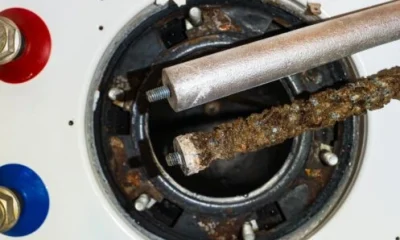
Your water heater works hard every day to keep hot water flowing through your home. But inside that steel tank sits an unsung hero: the anode rod. This simple metal component prevents thousands of dollars in damage and keeps your water heater running for years longer than it would otherwise. Most homeowners never think about what is a water heater anode until problems start. Rusty water, strange smells, or sudden leaks often signal a worn-out rod. Understanding how this part works can save you from emergency replacements and costly repairs down the road. What is a Water Heater Anode and How to Maintain It An anode rod is a long metal bar that hangs inside your water heater tank. Think of it as a bodyguard for your tank. The rod attracts corrosive elements in your water so they attack it instead of your tank walls. The hot water tank anode rod typically measures between 36 to 42 inches long. It connects to the top of your tank through a threaded hex head. Most water heaters come with one rod, but some high-end models include two for extra protection. The materials used matter. Manufacturers make these rods from magnesium, aluminum, or zinc alloys. Each material serves a specific purpose based on your water chemistry and heater type. Magnesium rods work best for most standard installations. Aluminum suits homes with hard water. Zinc rods help prevent that rotten egg smell some tanks develop. Maintenance keeps your rod doing its job. Check it once per year during routine water heater service. At Hutchinson Heating and Air, we inspect anode rods during every maintenance visit for our water heater installation Murrieta CA clients. A visual check takes just minutes but can reveal important information about your tank’s health. Replace the rod when it shows heavy wear. If more than six inches of the core wire is exposed, or if the rod measures less than half an inch thick, it needs replacement. Waiting too long leaves your tank vulnerable to rust and leaks. How Does an Anode Rod Work? The science behind anode rods involves a process called galvanic corrosion. Water contains dissolved minerals and oxygen. These elements naturally attack metal surfaces, causing rust and decay. Your steel tank would normally be the target. But the water heater anode rod changes this equation. The rod uses metals that are more chemically reactive than steel. When corrosive elements enter your tank, they seek out the most reactive metal first. That’s always the anode rod. The rod gradually dissolves as it attracts and neutralizes corrosive particles. This sacrificial process protects your tank walls from the same fate. Engineers call it a sacrificial anode because it literally sacrifices itself to save the tank. Different water conditions affect how fast this happens. Hard water contains more minerals, which speed up corrosion. High water temperatures also accelerate the process. Homes that use more hot water put more stress on the rod because fresh, oxygen-rich water constantly enters the tank. The gas water heater anode rod functions the same way in propane or natural gas units. However, gas heaters heat water faster and run at higher temperatures. This can wear out anode rods more quickly than in electric models. The Importance of the Anode Rod Your anode rod determines how long your water heater lasts. Industry data shows that tanks without functioning anode rods fail within five to seven years. Properly maintained rods can extend that lifespan to twelve years or more. The financial impact is significant. A new water heater costs between $800 and $2,500 installed. Replacing an anode rod costs $100 to $300. That’s a tiny investment compared to buying a new tank. Water quality in your home depends on this small component too. As tanks corrode without protection, rust particles contaminate your hot water. You’ll notice orange or brown discoloration in sinks, tubs, and showers. These particles stain fixtures and clothing. Tank leaks represent the worst-case scenario. Once rust eats through the steel, water floods your space. The average water heater leak causes $4,500 in property damage. Many homeowners insurance policies don’t cover damage from poor maintenance. Energy efficiency drops as corrosion builds up inside tanks. Rust and mineral deposits act as insulation between the heating element and water. Your heater works harder and runs longer to reach the desired temperature. This wastes energy and drives up utility costs. The purpose of anode rod protection extends beyond the tank itself. Your plumbing system benefits too. Corroded tanks release particles that clog faucet aerators, damage washing machines, and reduce water pressure throughout your home. You may read How Long Does a Water Heater Take to Heat Up? How Anode Rods Can Extend The Life Of Your Water Heater Regular inspection catches problems early. Most manufacturers recommend checking your rod every two to three years. If you live in an area with hard water or use a lot of hot water, annual checks make more sense. The inspection process is straightforward. Turn off power or gas to your heater. Shut off the water supply. Release pressure by opening a hot water faucet. Remove the hex nut on top of the tank that holds the rod. Pull out the rod and examine its condition. A healthy rod shows minimal wear. You should see mostly intact metal with light surface corrosion. The original diameter remains close to its starting size. Replace rods that show heavy pitting, significant diameter reduction, or exposed core wire. Some signs indicate problems without opening the tank. Rusty or discolored hot water points to a failing rod. A rotten egg smell means bacteria are reacting with a deteriorating anode. Popping or rumbling sounds suggest sediment buildup, which often accompanies rod failure. Professional service ensures proper maintenance. Technicians have the right tools to remove stubborn rods. They can also check other critical components during the same visit. Our team at Hutchinson Heating and Air combines anode rod service with complete water heater inspections. Powered anode rods offer an

What is a Water Heater Anode and How Does It Protect Your Tank? Read More »

Gas vs Electric Furnace – Which Heating Option Is Better?

Gas vs Electric Furnace | Complete Guide to Choosing the Right System

Choosing among a gas vs electric furnace can sense overwhelming, specifically whilst you need the pleasant stability of comfort, safety, and long-time period fee savings. At Hutchinson Heating and Air, we assist owners make assured selections via way of means of explaining the actual gas vs electric furnace difference, how every machine performs, how secure they are, and what you could assume in ongoing expenses. This complete manual compares the whole lot—electricity use, heating power, upkeep, safety, lifespan, and gas vs electric powered heating bills—so that you can select the ideal heating machine for your private home. Understanding the Gas vs Electric Furnace Difference To apprehend the actual gas vs electric furnace difference, it facilitates to first examine how every unit works. A gas furnace burns herbal fueloline or propane, producing warmth thru combustion and warming the warmth exchanger. An electric powered furnace, on the alternative hand, makes use of electric heating coils to heat air that circulates all through your private home. While each structures maintain your private home comfortable, their operation, electricity use, and overall performance range significantly. These variations effect the whole lot from month-to-month heating payments to noise, safety, and long-time period upkeep needs. Heating Performance: How Gas and Electric Furnaces Compare One of the most powerful differences withinside the gas vs electric powered furnace difference is heating overall performance. Gas furnaces are regarded for generating warmer air quickly, making them perfect for houses in chillier climates. They provide speedy temperature restoration and sturdy heating output. Electric furnaces warmth greater gradually. They nevertheless maintain your private home heat—however with a softer, much less extreme warmth. They`re frequently encouraged for moderate climates in which intense wintry weather temperatures are rare. If fast heating is your priority, fueloline has the clean advantage. Energy Efficiency and Real-World Operating Costs Electric furnaces convert strength into warmth with almost 100% efficiency, however that doesn`t imply they may be the most inexpensive option. Electricity is frequently priced better than herbal fueloline, which closely influences gas vs electric heating bills. Gas furnaces are pretty green too, with current fashions attaining as much as 98% AFUE. Even aleven though fueloline furnaces lose a small quantity of warmth thru venting, the decrease fee of herbal fueloline makes them greater low cost to run over time—specifically in bloodless regions. This is certainly considered one among the most important elements that have an impact on a homeowner`s decision. Gas vs Electric Heating Bills: Which One Costs More to Run? When evaluating gas vs electric heating bills, fueloline is nearly usually extra affordable. Natural fueloline has a decrease value consistent with unit of warmth produced, and fueloline furnaces generate extra BTUs with much less strength waste. Electric furnaces can come to be steeply-priced in chillier months due to the fact they need to run longer and harder, and strength costs are usually a lot better than fueloline. However, in regions with moderate winters—or wherein strength is cheaper—an electric powered furnace may also nevertheless be a clever economic choice. You may read Does a Gas Water Heater Need Electricity? Installation and Maintenance Differences Another crucial a part of the gas vs electric furnace difference is set up and long-time period care. Gas furnaces require: Gas line set up and inspection Venting/combustion analysis Heat exchanger exams Carbon monoxide monitoring These structures need to be serviced annually, and their protection is extra complex. Electric furnaces require no fueloline lines, no combustion chamber cleaning, and no flue protection. Their inner additives are simpler, making protection less difficult and much less steeply-priced over the unit`s lifespan. For house owners prioritizing comfort and occasional upkeep, electric powered furnaces are appealing. Safety of Gas vs Electric Furnace Systems Safety is one of the maximum essential factors withinside the gas vs electric powered furnace comparison. Gas Furnace Safety Gas furnaces are extraordinarily reliable, however due to the fact they burn fuel, they create dangers such as: Carbon monoxide leaks,Gas leaks, Venting problems and Combustion hazards These dangers are minimized with right set up and habitual provider from Hutchinson Heating and Air. Electric Furnace Safety Electric furnaces do now no longer burn fuel, so there is: No carbon monoxide No combustion No fueloline line issues This makes electric powered furnaces the more secure alternative in phrases of combustion-associated concerns. However, they nevertheless require electric protection exams to keep away from overheating or wiring issues. When comparing the safety of gas vs electric powered furnace structures, electric powered fashions win in simplicity, even as fueloline stays secure whilst nicely serviced. Environmental Impact Electric furnaces produce 0 emissions in the home. Their environmental effect relies upon on how strength is generated on your area. Gas furnaces burn fossil fuels and launch emissions, aleven though high-performance fashions considerably lessen environmental effect in comparison to older units. Which Furnace Lasts Longer? Electric furnaces can remaining 20–30 years, in large part due to the fact they don`t use combustion, which reasons put on on components. Gas furnaces normally remaining 15–20 years, relying on renovation quality, venting conditions, and utilization patterns. This distinction can impact your lengthy-time period heating investment. Which One Is Best for Your Home? The proper furnace relies upon on: Local climate Energy prices Whether your property already has a fueloline line How lengthy you intend to live withinside the home Comfort preferences (rapid warmness vs smooth warmness) Budget for set up vs working prices Gas furnaces are normally advocated for chillier states and massive homes. Electric furnaces are best for moderate climates, small homes, and conditions in which set up finances is limited. At Hutchinson Heating and Air, we examine everything—from insulation to ductwork—that will help you pick wisely. Conclusion Choosing between a gas vs electric furnace depends on your home’s heating needs and long-term comfort goals. Gas furnaces deliver stronger heat and lower monthly bills, while electric furnaces offer easier installation, low maintenance, and added safety. No matter which option fits your home, Hutchinson Heating and Air Conditioning provides trusted guidance and quality workmanship. Our team specializes

Gas vs Electric Furnace | Complete Guide to Choosing the Right System Read More »

Can You Lay a Water Heater on Its Side? Guide

Can You Lay a Water Heater on Its Side?

Transporting or transferring a water heater raises a common question: Can you lay a water heater on its side? This is an important concern for homeowners planning to move or replace their units. Understanding proper handling methods can mean the difference between successful installation and costly damage. At Hutchinson Heating and Air, we move and service water heaters daily. The answer is generally no — you should not lay a water heater on its side. Laying a water heater horizontally can damage internal components, increase the risk of leaks, and significantly shorten the unit’s lifespan. The internal structure isn’t designed for sideways positioning, which can shift critical parts, crack the glass lining, or damage heating elements. If you must transport a unit horizontally due to space constraints, do so with extreme care, including proper securing, minimal transit time, and allowing the unit to stand upright for several hours before installation. Why the orientation matters — technical dangers explained When you lay down a water heater you danger harming numerous inner parts: Glass-Lined Inner Tank Most garage tanks have a skinny glass lining to face up to corrosion. Impact or choppy stress whilst on its facet can crack this lining. Cracks cause expanded corrosion and eventual tank failure. Dip Tube and Internal Plumbing The dip tube (cold-water inlet) and different inner fittings are designed for vertical orientation. Lateral stresses can bend, fracture, or dislodge them, generating negative blending and on the spot overall performance issues. Sediment Disturbance (Used Tanks) Older tanks frequently incorporate sediment. Laying the tank sideways stirs and relocates sediment, that could clog valves or harm heating factors. Heating Elements & Immersion Parts — Electric factors are vertical and may be harassed or kinked if the tank is rolled or dropped. Gas burners and combustion additives in fueloline warmers can shift, main to risky combustion. Outer Shell and Insulation Compression Dents at the outer shell frequently suggest inner harm. Insulation compression reduces efficiency. Control & Valve Damage Pressure-alleviation valves, thermostats, fueloline controls, and panels may be jarred or harassed while the unit isn`t upright. You may read What Causes a Water Heater to Leak? Manufacturer steerage — continually test first Always seek advice from the heater`s proprietor guide or producer website. Many producers explicitly nation whether or not horizontal delivery is permitted. If the guide forbids laying the unit on its facet, do now no longer do it — assurance and protection worries apply. If the guide lets in facet delivery, it’s going to typically encompass orientation limits, cushioning, and minimal relaxation instances earlier than startup. When it`s OK to put a water heater on its facet Brand-new gadgets: Factory-sparkling tanks frequently live on facet delivery higher due to the fact no sediment or thermal biking has weakened the lining. Short-distance actions wherein upright delivery is not possible however the unit stays well-supported and cushioned. Manufacturer permits horizontal delivery: When commands explicitly allow it (uncommon however possible). Even in those cases, comply with strict dealing with protocols (below). When it`s NOT OK — keep away from facet delivery Used tanks older than ~5–7 years (chance of inner corrosion). Heaters with water inside (by no means pass with water inside). Tankless heaters (touchy electronics and coils). Gas gadgets with fragile venting or burner assemblies until producer steerage permits. If assurance or neighborhood code prohibits it. Step-with the aid of using-step: How to move a water heater on its facet (safely) If you haven’t any opportunity and need to transport water heater on side, use this expert procedure: Drain absolutely Shut off water supply. Shut off power (electric powered breaker) or fueloline supply (fueloline valve + pilot). Attach a lawn hose to the drain valve and open a warm tap to vent the tank. Drain absolutely till dry. Disconnect utilities Remove electric wires on the get admission to panel (electric powered models) and cap safely. Disconnect fueloline piping and cap the fixture (fueloline connections need to be sealed with the aid of using an authorized tech after reinstall). Disconnect water strains and insulate or cap fittings to save you contamination. Secure and defend valves & fittings Remove or tie off fragile components (thermostats, manage panels). Cover all openings with taped cardboard, caps, or foam. Ensure the T&P (temperature & pressure) valve is capped and protected. Pad and cushion Place heavy blankets, foam pads, or cardboard beneathneath the tank. Cushion each lengthy aspects and each stop caps. Use a robust base: delivery on a pallet, dolly, or flat platform to save you direct touch with tough surfaces. Positioning When laying on its facet, location the heater in order that the get admission to panels and valves are going through upward (much less pressure on components). Avoid putting valves at once downwards into the helping surface. Secure the load Use ratchet straps or ropes to save you rolling or sliding. Restrain the unit at more than one factors to steady orientation. Drive gently Avoid hard roads, sharp turns, surprising braking, and high-velocity bumps. Keep speeds low. Upright relaxation Immediately after attaining destination, stand the heater upright. Let it take a seat down upright for at the least 24 hours (1–four hours minimal in a few cases, however 24 hours is safest). This lets in inner components, fluids, and sealants to settle lower back into designed positions. Professional inspection earlier than startup Before reconnecting fueloline or electricity, investigate for damage. Hutchinson Heating and Air recommends a expert technician carry out the reconnection and a combustion/stress take a look at for fueloline gadgets, and an electrical detail continuity take a look at for electric powered gadgets. Post-shipping inspection checklist (do NOT skip) After upright relaxation, check: Outer shell dents, cracks, or deformation Visible inner get entry to panel damage T&P valve circumstance and operation (no leakage) Water inlet/outlet fittings for cracks or looseness Pilot assembly (fueloline gadgets) and burner alignment Heating detail integrity and wiring (electric powered gadgets) Strange noises after refill & first warmth cycle Any leaks for the duration of a stress

Can You Lay a Water Heater on Its Side? Read More »

When to Replace a Water Heater | Key Signs to Know

When to Replace a Water Heater | Key Signs to Know

There`s not anything worse than moving into a chilly bathe or locating the laundry soaked in lukewarm water — specially while the wrongdoer is an getting older water heater. The massive query each house owner in the end faces is: When to replace a water heater? Replacing on the proper time saves money, avoids damage, and restores comfort. At Hutchinson Heating and Air, we assist owners decide the perfect substitute moment — whether or not which means a replacement hot water tank or a complete tankless water heater replacement. This manual explains the symptoms and sign to replace water heater, substitute options, actual costs, and what to anticipate from expert installation. Read directly to make the best choice on your home. How Long Should a Water Heater Last? Before selecting substitute, recognize regular lifespans: Conventional tank water warmers: 8–12 years (average). Electric tank warmers: 10–15 years. Tankless water warmers: 15–20+ years with right maintenance. Heat-pump / hybrid units: 10–15 years. Age is a essential component while answering while to replace water heater — in case your unit is drawing near those limits, start making plans a substitute although it nonetheless functions. Top Signs to Replace Water Heater Here are the maximum dependable symptoms and sign  to replace water heater — look ahead to any of the following: Rusty or Discolored Water If your warm water is brown or metallic, the tank or inner pipes can be corroding. This is a prime sign to get a substitute warm water tank. Leaks or Water Pooling Around the Tank Leaks regularly imply the tank shell is compromised. A leaking tank isn’t always repairable — it`s time for substitute now. Frequent Repairs & Rising Repair Costs If you`ve paid for a couple of upkeep in a brief time, changing the unit is typically extra within your means than persisted fixes. Noisy Operation — Popping, Rumbling, or Knocking Sediment builds up on the tank bottom; boiling water below sediment reasons popping noises and decreases efficiency. Persistent noise is an indication of degradation. Fluctuating or Insufficient Hot Water If warm water runs out quicker than earlier than or temperatures fluctuate, factors or burners can be failing — or the tank is dropping capacity. Visible Corrosion Around Fittings & T&P Valve Rust across the pressure-alleviation valve or tank fittings suggests weakening metallic and the want to update. Age Over Recommended Lifespan If your tank is 10+ years old (or your tankless machine is nearing 15+ years), begin making plans a tankless water heater replacement or a brand new tank installation. You may read Is a Noisy Water Heater Dangerous? Tank vs Tankless: Replacement Options Explained When identifying whilst to replace water heater, you`ll pick among changing with every other tank unit or upgrading to tankless. Each has professionals and cons. Replacement Hot Water Tank (Traditional) a)Pros: Lower prematurely price Simpler set up in maximum homes Reliable for high-volume, simultaneous warm-water use b)Cons: Higher strength expenses over time Shorter lifespan (8–12 years) Larger footprint Best for: Homeowners on a tighter finances or individuals who use quite a few warm water simultaneously. Tankless Water Heater Replacement (On-Demand) a)Pros: Endless warm water (no recuperation time) Higher strength efficiency (decrease running expenses) Longer lifespan (15–20+ years) Smaller, wall-hooked up unit b)Cons: Higher prematurely price and set up complexity May require electric or gas-line enhancements Performance desires accurate sizing for simultaneous use Best for: Long-time period savings, smaller spaces, or the ones searching for extra efficiency. Costs: What to Expect for Replacement Costs range extensively relying on capacity, gasoline type, complexity, and region. Typical ranges: Replacement warm water tank (installed): $800–$2,500 Tankless water heater replacement (installed): $1,800–$5,500 Additional expenses: permits, exertions for enhancements, new venting, gas-line or electric enhancements, removal/disposal of vintage unit. Hutchinson Heating and Air affords obvious estimates and could itemize parts, exertions, allow fees, and elective enhancements like water-softening prefilters or faraway controls. Maintenance Tips to Extend Life & Delay Replacement To postpone the instant you should determine when to replace water heater, do these: Flush the tank yearly to get rid of sediment (or each 6 months in hard-water areas). Check and update the anode rod each 3–five years — it protects the tank from corrosion. Test the temperature & pressure (T&P) valve yearly. Insulate older tanks and warm water pipes to lessen standby loss. Schedule annual expert upkeep with Hutchinson Heating and Air — early fixes regularly keep away from alternative. When Immediate Replacement Is Required Active leak from the tank (now no longer a valve) — update immediately. Cracked warmness exchanger (in fueloline units) — instantaneously alternative advocated because of CO risk. Extensive inner corrosion or tank bulging — unsafe; update now. Choosing the Right Time: Replacement Checklist Ask yourself: Is the heater older than its predicted lifespan? Have restore charges climbed recently? Are the overall performance and performance declining? Is there seen corrosion or proof of leaks? Are you making plans domestic improvements that would growth warm-water demand? If you answer “yes” to 2 or more, it`s prudent to behave on when to replace water heater. Environmental & Efficiency Considerations Switching to a tankless water heater  replacement or a high-performance tank reduces electricity intake and greenhouse fueloline emissions. Consider Energy Star fashions and calculate payback periods (regularly five–10 years relying on utilization and neighborhood gasoline prices). The Replacement Process. When we update your unit, we provide: On-web website online assessment and sizing recommendation. Clear written estimate with alternatives and warranties. Permit pull and code-compliant set up (if needed). Removal and disposal of antique unit. Installation of recent unit with vital venting, line improvements, and protection checks. Post-set up checking out and patron walkthrough. Optional upkeep plan enrollment. We cope with the entirety so that you recognize precisely while to replace water heater and the way to limit downtime. Conclusion — Don`t Gamble: Plan the Replacement Knowing when to replace a water heater protects your home from water damage, saves money on energy and repairs, and restores steady comfort. Whether you choose a hot water

When to Replace a Water Heater | Key Signs to Know Read More »

Does a Gas Water Heater Need Electricity? Find Out

Does a Gas Water Heater Need Electricity? The Complete Guide

Imagine a severe winter storm knocking out power in your neighborhood. Will your furnace still provide heat? If you have an older model, the answer is often yes. However, modern high-efficiency furnaces typically rely on electricity for ignition, venting, and controls. Understanding the type of furnace you own is essential to determine whether you need a generator, an uninterruptible power supply (UPS), or a backup heating solution. In this complete manual from Hutchinson Heating and Air, we give an explanation for precisely while a gas water heater needs electricity, what the not unusualplace gas water heater power preparations are, how the gas heater power sour /supply influences reliability and protection, and what the actual gas water heater power requirement looks as if in actual homes. We ladditionally cowl backup options, troubleshooting, maintenance, and solution the maximum not unusualplace property owner questions. The Quick Overview — Does a Gas Water Heater Need Electricity? Do now no longer require power to provide warm water. The pilot flame burns constantly and could ignite the burner even at some point of an outage. Electronic-ignition fueloline water warmers (present day tanks): Do require power — the ignition system, manipulate board, and protection sensors won`t paintings at some point of outages. Power-vent and condensing fueloline water warmers: Require power for fans, pumps, and controls. Tankless fueloline water warmers: Always require power for sensors, ignition, and controls. So — whether or not your unit desires power relies upon on its design. Let`s dig into the details. How Gas Water Heaters Use Power (What Actually Needs Electricity) Modern fueloline water warmers have numerous electrically powered components: Ignition structures: Electronic spark or warm-floor ignitors require small quantities of power to mild the burner (in contrast to a status pilot). Control boards & protection sensors: Digital controllers, flame sensors, strain switches, and diagnostic electronics want non-stop low-voltage energy. Power-vent blowers & exhaust fans: These forced-draft fans (on energy-vent and condensing gadgets) pass combustion gases; they run constantly while the burner operates. Condensate pumps: Condensing gadgets may also want a pump to eliminate acidic condensate if gravity drain isn`t possible. User interface & Wi-Fi features: Smart thermostats and Wi-Fi tracking want energy for presentations and communications. Bottom line: If your unit has a plug, a virtual display, a fan motor, or a PVC vent, anticipate it desires power. You may read How to Repair an Electric Hot Water Heater? Common Configurations — What to Expect During Outages Standing-pilot (atmospheric vent): Pilot lit continuously → warm water stays to be had till tank is depleted. Intermittent/digital ignition (contemporary-day tank): No pilot → no warm water throughout outage due to the fact ignition and manage electronics are unpowered. Power-vent / condensing heaters: Fan required for venting → unit will lock out with out strength for protection. Tankless fueloline heaters: Relies on waft sensors, ignition, and modulating valves → no characteristic with out strength. How Much Electricity Do Gas Water Heaters Use? Gas gadgets draw an awful lot much less strength than electric powered-simplest heaters, however necessities vary: Ignitor & controls: normally some watts to 3 dozen watts (intermittent). Power-vent fanatics: typically 20–two hundred watts whilst running (non-stop throughout heating cycles). Tankless electronics & pumps: can draw 100–500+ watts relying on version. Generator/UPS planning: A small UPS can preserve manage electronics for a quick time however won`t reliably run fanatics or pumps. For extended outages or strength-vented gadgets, a generator sized to address non-stop fan and pump hundreds is recommended. Safety & Code Considerations Combustion venting: Power-vent and induced-draft structures rely on fanatics — working them with out right venting is dangerous. Systems encompass protection interlocks that save you operation if fanatics are unpowered. Carbon monoxide (CO): Any venting failure or cracked warmness exchanger can motive CO hazards. Always have CO detectors hooked up and functioning. Local codes: Many jurisdictions require positive venting, electric, and combustion air provisions. Only certified professionals (like Hutchinson Heating and Air) ought to adjust fueloline venting or electric connections. Troubleshooting — How to Tell If Your Gas Heater Needs Electricity Signs your fueloline heater is electrically structured: Digital display / blunders codes Visible strength wire or outlet nearby Audible fan/blower whilst firing PVC venting in place of steel flue Unit stops running throughout a strength outage If your warm water stops throughout a blackout, you possibly have an electrically structured version. Backup Options — Keep Hot Water When Power Fails Whole-residence generator: Best for lengthy outages; strength complete domestic circuits such as water heater blowers. Dedicated generator circuit: Smaller transportable generator devoted to the water heater`s circuit (have to be nicely sized and hooked up). UPS for manage electronics: Useful for quick outages to keep electronics (won`t run fanatics/pumps). Choose a non-electric powered version: In outage-susceptible regions, remember an atmospheric (standing-pilot) or non-powered direct-vent unit — however weigh performance trade-offs. Hutchinson Heating and Air can suggest on sizing, switch switches, and secure generator integration. Maintenance Tips & Best Practices Schedule annual service: test ignitor, manage board, fan motor, venting, and combustion. Keep vent terminals clean of snow/debris. Install and take a look at CO detectors close to slumbering regions and the equipment. If you’ve got got a strength-vent or condensing unit, look into condensate drains and pumps yearly. Document version electric specifications for generator sizing. Conclusion So, does a gas water heater need electricity? It depends on the model. Modern electronic-ignition, power-vent, condensing, and tankless gas water heaters require power for ignition, venting, and controls. At Hutchinson Heating and Air, we provide expert heating installation in Temecula, helping you choose the right system and backup solutions for your home. Ensure reliable heat and safety with our professional guidance. Contact us today to schedule your installation or consultation! F&Qs — Frequently Asked Questions Does a gas water heater paintings with out energy? A: Only fashions with a standing pilot or non-electric powered venting will perform with out strength. Most present day tanks and all tankless gadgets require energy. Why did my fueloline heater prevent running at some stage in

Does a Gas Water Heater Need Electricity? The Complete Guide Read More »

How Long Does a Water Heater Last? Expert Breakdown

How Long Does a Water Heater Last?

When it comes to keeping your home comfortable, your water heater plays an important role by supplying warm water for daily tasks. One common question homeowners ask is: How long does a water heater last? On average, most units last 8–12 years, depending on the type, maintenance, installation quality, and local water conditions. At Hutchinson Heating and Air, we help homeowners in Temecula, Murrieta, and nearby areas extend their water heater lifespan with expert maintenance, repair, and replacement services. In this guide, you’ll learn the true lifespan of a water heater, the signs it’s time for a replacement, and how to make your system last longer. Understanding the Lifespan of a Water Heater So, how long does a water heater closing on average? Most conventional tank-style water  heater usually closing among eight to twelve years, whilst tankless water heater can function effectively for twenty years or extra with right care. However, the recent water heater lifespan can range broadly relying on numerous factors: Type of Water Heater Gas water warmers typically closing eight–10 years. Electric water warmers generally tend to closing a chunk longer — round 10–12 years. Tankless water warmers, which warmth water on demand, can closing up to twenty years or longer with habitual renovation. Water Quality Hard water can appreciably lessen the lifespan of a water heater due to the fact minerals like calcium and magnesium building up within the tank, inflicting corrosion and inefficiency. Usage and Demand A big own circle of relatives that makes use of warm water often will positioned extra strain at the system, shortening the water heater lifestyles expectancy in comparison to a smaller family with lighter usage. Maintenance and Servicing Regular water heater maintenance — which includes flushing the tank, checking the anode rod, and examining valves — can upload years for your unit`s lifestyles. Installation Quality A professionally set up water heater from specialists like Hutchinson Heating and Air guarantees right alignment, stable fittings, and optimum performance — supporting maximize the lifestyles expectancy of water heaters. Signs Your Water Heater May Be Reaching the End of Its Life Knowing how long a water heater lasts is one thing, however spotting the caution symptoms and symptoms of growing old is similarly important. Here are a few not unusualplace signs that your device is probably nearing the stop of its beneficial lifestyles: Inconsistent Water Temperature If your showers are turning bloodless quicker than before, or the water temperature fluctuates unpredictably, your heater`s heating detail or thermostat is probably carrying out. Rusty or Discolored Water Rust-coloured water coming out of your faucets is usually a signal of corrosion in the tank. This normally way the new water heater lifespan is nearing its stop. Unusual Noises Sediment buildup in the tank can motive popping, cracking, or rumbling sounds. This now no longer handiest impacts overall performance however additionally shortens your water heater lifestyles. Leaks or Moisture Around the Base Small leaks or moisture across the water heater`s base regularly factor to inner corrosion or cracks withinside the tank — clean symptoms and symptoms it`s time to take into account a replacement. Reduced Efficiency Older water warmers eat extra electricity to supply the identical quantity of warm water. If your software payments are climbing, it is probably extra cost-powerful to put in a brand new unit. How to Extend the Lifespan of a Water Heater At Hutchinson Heating and Air, we agree with in assisting house owners get the maximum out in their water heaters. Here are some confirmed hints to increase your water heater lifestyles expectancy: Flush the Tank Regularly Sediment buildup is one of the main reasons of decreased hot water heater lifespan. Flushing your tank a few times a 12 months eliminates this buildup and improves efficiency. Check the Anode Rod The anode rod prevents corrosion in the tank via way of means of attracting minerals that might in any other case harm the metal. Have it inspected each 2–three years and changed if worn. Inspect Valves and Connections Regularly test for leaks or corrosion round fittings, valves, and pipes. Early detection can save you pricey water harm and make bigger your water heater lifestyles. Maintain Optimal Temperature Keeping the thermostat at 120°F now no longer handiest saves electricity however additionally prevents overheating and immoderate put on at the heating factors. Schedule Annual Professional Maintenance Routine inspections from relied on professionals like us make sure each element of your device — from the heating factors to the stress valve — works well 12 months-round. Tankless vs. Tank Water Heater Lifespan When finding out whether or not to restore or replace, it`s beneficial to apprehend the lifespan difference among water heater types: Type    Average Lifespan       Key Advantage            Maintenance Needs Tank Water Heater               8–12 years                        Lower prematurely cost                  Regular flushing & anode rod replacement Tankless Water Heater           18–20 years    Energy efficient, limitless warm water               Descaling and expert inspection each 1–2 years If your conventional tank heater is over a decade vintage and displaying issues, making an investment in a tankless version can offer lengthy-time period financial savings and reliability. When to Replace Your Water Heater Here`s a brief manual that will help you determine if it`s time to update your unit: It`s 10–15 years vintage (for tank fashions). You`ve observed leaks, rust, or sediment for your water. You`re scheduling common repairs. Your strength payments are growing notwithstanding normal maintenance. You need to improve to a extra green version for long-time period savings. Why Choose Hutchinson Heating and Air When it involves extending the lifespan of your water heater, agree with the experts at Hutchinson Heating and Air. We offer: Licensed and licensed technicians Transparent pricing and sincere recommendations Maintenance plans tailor-made for your device Emergency restore and same-day provider availability Long-time period strength performance solutions We deal with each customer`s consolation as our pinnacle priority — that`s why house owners throughout Southern California agree with us with their warm water heater needs. Conclusion Most water heaters last 8–12 years,

How Long Does a Water Heater Last? Read More »

What Size Breaker for Water Heater | Quick Guide

What Size Breaker for Water Heater?

When putting in or changing a water heater, one of the maximum unnoticed but essential elements is the breaker size. Many owners wonder, What size breaker for water heater have to I use? Choosing the best length is important to make sure secure operation, save you circuit overload, and defend each your equipment and domestic wiring. At Hutchinson Heating and Air, we`ve guided loads of owners in Temecula, Murrieta, and surrounding regions via right electric powered water heater breaker length choice and set up. Let`s ruin down the entirety you want to know — from primary calculations to expert recommendations — to hold your device secure, efficient, and long-lasting. Why the Correct Breaker Size Matters The breaker for water heater acts as a protection guard. It robotically shuts off the circuit if an excessive amount of contemporary flows, stopping fires, shocks, or harm on your heater. If the breaker is just too small, it’s going to ride time and again and reason inconvenience. If it`s too big, it is able to fail to ride while it have to — growing a severe hearthplace hazard. That`s why right sizing is important, and it`s a key step in each hot water heater circuit breaker size  set up we carry out at Hutchinson Heating and Air. Understanding How a Water Heater Draws Power A breaker for electric  water heater should be matched with the heater`s energy consumption. Electric water warmers commonly use one or  heating factors that convert energy into heat. These factors devour a excessive contemporary, particularly while heating big volumes of water. Therefore, your electric water heater breaker size should cope with the electric load with out exceeding secure limits. A preferred water heater operates at 240 volts and consumes round four,500 watts of energy. Using this information, we will calculate the best breaker length. You may read What Causes a Water Heater to Leak? How to Calculate the Right Breaker Size You can decide the breaker length the use of a easy formula: > Amperage = Wattage ÷ Voltage For example, a four,500-watt water heater going for walks at 240 volts draws: 4,500 ÷ 240 = 18.75 amps However, consistent with the National Electrical Code (NEC), non-stop masses have to perform at 80% capacity — that means the breaker have to be rated for 125% of the load: 18.75 × 1.25 = 23.4amps Since breakers are available in preferred sizes, the excellent fit is a 30-amp double-pole breaker. Standard Recommendation Voltage: 240V Wattage: four,500W Breaker Size: 30A Wire Size: 10-gauge copper (10/2 NM-B) Circuit: Dedicated (no different appliances) Common Breaker and Wire Size Chart Water Heater Capacity        Watts  Voltage             Breaker Size              Wire Gauge 20–30 gallons    2,000–2,500W          120V    15–20A.            12 AWG 40–50 gallons 4,500W             240V    30A      10 AWG 60–eighty gallons        5,500W             240V    30A      10 AWG Tankless (Small)          10,000W          240V    50A      6 AWG Tankless (Large)          20,000W+        240V    eighty–100A    4 AWG or thicker Note: Tankless structures require a great deal better breaker capacities because of their immediate heating design. Always have those established via way of means of certified technicians like the ones at Hutchinson Heating and Air. What Happens If You Use the Wrong Breaker Size? Using the incorrect breaker for water heater can cause numerous issues: Constant Tripping If the breaker is just too small (e.g., 20A for a four,500W heater), it’ll ride regularly whilst heating starts. Fire Risk If the breaker is just too large (e.g., 40A for a four,500W heater), it could fail to ride at some point of overload, overheating the wires and developing a hearthplace hazard. Shortened Appliance Lifespan An incorrectly matched breaker can strain the heating factors and wiring, decreasing your water heater`s lifespan. That`s why each hot water heater circuit breaker size or length we deployation at Hutchinson Heating and Air meets NEC requirements and producer specifications. How to Check Your Existing Breaker Size Follow those steps to look into your electric powered water heater breaker length: Turn Off Power: Safety first — transfer off the primary breaker. Open the Panel: Locate the breaker labeled “Water Heater.” Check the Amperage: The rating (e.g., 30A) is outlined at the handle. Cross-Check with Water Heater Specs: Check your heater`s label (generally close to the thermostat get entry to panel) for wattage and voltage details. If the numbers don`t align or you`re unsure, time table an inspection with Hutchinson Heating and Air. Our certified electricians will affirm your setup and make modifications safely. Breaker Size for Tank vs. Tankless Water Heater Traditional Tank Water Heater Usually four,500W at 240V Requires 30A breaker and 10-gauge wire Low non-stop modern draw Tankless Water Heater Uses 10,000–30,000W Requires 50–100A breakers and thicker wire Needs devoted circuits for every heating element Tankless structures are energy-green however want expert set up because of better electric demands. Hutchinson Heating and Air makes a speciality of each tank and tankless water heater structures throughout Temecula and Murrieta. When to Upgrade Your Breaker or Wiring You have to don’t forget upgrading your breaker for electric powered water heater if: Your breaker regularly trips You lately upgraded to a higher-wattage heater You note heat spots at the breaker or wiring Your domestic has old aluminum wiring Our technicians can look at your system, advise the proper warm water heater circuit breaker length, and deal with the rewiring safely. Why Choose Hutchinson Heating and Air? At Hutchinson Heating and Air, we delight ourselves on safe, code-compliant, and expert electric and HVAC services. Whether it`s choosing the proper breaker for electric water heater, upgrading your circuit, or complete water heater set up — we make certain efficiency, protection, and reliability. Here`s why clients accept as true with us: Certified Technicians skilled in HVAC and electric standards Upfront Pricing with out a hidden costs Local Expertise throughout Temecula & Murrieta Fast Same-Day Service Full Compliance with NEC and California constructing codes Conclusion Choosing the right breaker size for your water heater keeps your system safe and efficient. If you’re unsure, it’s best to let a professional handle the

What Size Breaker for Water Heater? Read More »

How Much to Install Hot Water Heater | Cost Guide

How Much to Install a Hot Water Heater?

If you`re changing your vintage water heater or putting in a brand new one, one of the first questions that involves thought is: How much to install hot water heater? The solution relies upon numerous elements, inclusive of the form of unit, setup complexity, and whether or not it`s a gas, electric, or tankless version. At Hutchinson Heating and Air, we offer professional steering and obvious pricing to assist house owners in Temecula, Murrieta, and close by regions make the first-class choice for his or her comfort and budget. Understanding Hot Water Heater Installation Cost The hot water heater installation cost commonly levels between $1,000 and $3,500, depending on the dimensions and version of the heater. For example: Type of Water Heater                Average Cost (Including Installation) Electric Tank Water Heater         $900 – $1,800 Gas Tank Water Heater               $1,000 – $2,300 Tankless Water Heater                  $2,000 – $4,500 These costs consist of labor, fundamental materials, and the elimination of the vintage unit. However, your real cost to install a water heater may also range primarily based on domestic layout, venting requirements, and plumbing conditions. Factors That Affect the Cost to Install a Water Heater Several factors have an effect on how tons you`ll pay for your installation. Understanding those facilitates you to propose accurately. Type of Heater Traditional Tank Models are of greater lower cost to put in, however take in greater space. Tankless Units fee more upfront, however, they save on power payments and last longer. Capacity Larger families require larger tanks (50–80 gallons), which improve each family’s efficiency and exertion costs. Energy Source Gas devices want venting and fuel line connections. Electric warmers are less complicated to install; however might also require dedicated circuits. Installation Complexity Difficult to get entry to areas, previous plumbing, or electrical enhancements can increase the cost to replace the water heater. For reliable heater installation in Murrieta, CA, trust Hutchinson Heating and Air Conditioning to deliver professional, efficient, and long-lasting installation services. Permits and Local Regulations In California, metropolis allows are regularly required for new installations to ensure certain with protection requirements. Tank vs. Tankless: Which One Fits Your Budget? When figuring out how much to install a hot water heater, it`s vital to evaluate each option. Tank Water Heater Lower preliminary fee Easier installation Requires periodic maintenance Tankless Water Heater Higher premature fee Heats water on demand (no standby power loss) Longer lifespan and greater power efficiency At Hutchinson Heating and Air, we assist clients in comparing those alternatives primarily based on usage, power savings, and long-term performance. Average Cost to Replace Water Heater If your current unit is over 10 years old, displaying rust, or suffering from warm water, an alternative is probably your best option. On average, the cost to replace water heater tiers ranges from $1200 to $2,800, depending on: Size and form of the brand new unit Need for code enhancements Location of the present-day system Replacing your unit now no longer handiest improves power performance but also reduces the chance of leaks and water damage. Signs It`s Time to Replace Your Water Heater Wondering whether or not to restore or update? Here are the maximum not unusual place indicators: Water temperature fluctuates or in not receive warm water Leaks across the base of the tank Strange noises or rumbling Rust-coloured water Unit age exceeds 10–12 years If you are aware of any of those, contact Hutchinson Heating and Air for an inspection earlier than the hassle worsens. How Professional Installation Saves You Money A DIY water heater setup may also appear cheaper; however, it regularly ends in high-priced errors and voided warranties. A certified HVAC expert ensures: Proper venting and plumbing connections Safety compliance with neighborhood construction codes Warranty-authorised set up Our skilled technicians at Hutchinson Heating and Air assure a smooth, green setup—saving you cash and long-term problems. Tips to Reduce Hot Water Heater Installation Cost Choose the Right Size – Avoid oversizing your system. Opt for Energy-Efficient Models – Lower your month-to-month payments. Schedule Regular Maintenance – Extend the lifespan of your heater. Ask About Rebates – California utilities now and again provide power-performance incentives. Conclusion Understanding how much to install hot water heater helps you plan your budget wisely and ensures you get a reliable, energy-efficient system for your home. The total cost can vary based on the heater type, size, and installation complexity, but investing in professional installation guarantees safety and long-lasting performance. For residents in Murrieta, Temecula, and nearby areas, Hutchinson Heating and Air Conditioning provides expert water heater installation services you can trust. Contact us today to schedule your installation and enjoy consistent hot water comfort all year round! Frequently Asked Questions (FAQ) How much to install a hot water heater in California? In the Temecula and Murrieta area, set up normally stages from $1,000 to $3,000, depending on size, type, and setup requirements. What`s the common/average lifespan of a water heater? Traditional water warmers ultimate 8–12 years, at the same time as tankless fashions can run efficiently for twenty years or more with everyday maintenance. Can I replace a water heater myself? It`s no longer recommended. An incorrect setup can cause leaks, code violations, or protection hazards. Always rely upon licensed specialists like Hutchinson Heating and Air. Does a tankless unit price extra to put in? Yes, the recent water heater setup price for tankless structures is higher; however, they save on power payments and area over time. How can I schedule a water heater replacement? Simply name our group or go to our website to book an appointment at your convenience.

How Much to Install a Hot Water Heater? Read More »