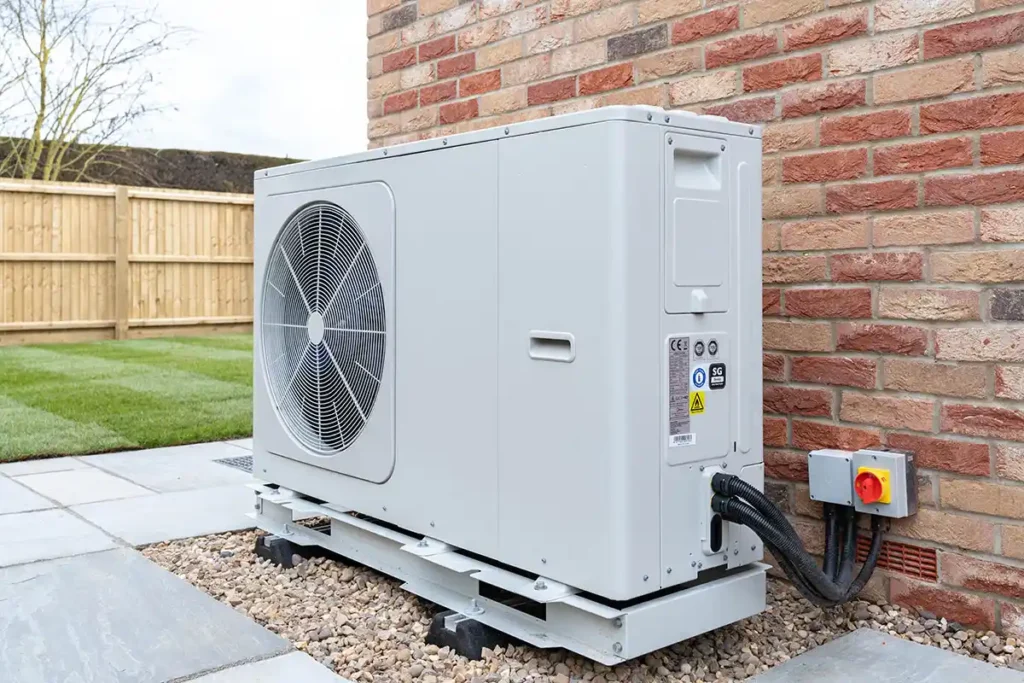
If you’ve confirmed you have a heat pump, there’s a good reason for it. Southern California’s climate rarely drops low enough to challenge a heat pump’s efficiency, making it a practical fit for our mild winters. Many newer Temecula and Murrieta subdivisions were built as all electric communities without gas infrastructure, making a heat pump the only realistic heating option.
Southern California Edison’s rate structure adds another layer, since electricity costs shift with time of use plans and directly affect your bill. At Hutchinson Heating and Air, we help homeowners pick the right SCE plan and avoid peak season surprises.
What Is a Heat Pump and How Does It Work?
A heat pump is a single outdoor unit that both heats and cools your home by moving heat rather than generating it. In the summer, it pulls warm air out of your house, the same way a standard air conditioner does. In the winter, it reverses that process and pulls residual heat from the outside air, even when it’s cold, and pushes it indoors.
This is different from the setup most people picture when they think of “home heating.” A traditional system pairs an air conditioner outside with a gas furnace inside, and the two only work together during a handoff between seasons. A heat pump skips the gas furnace altogether. One outdoor unit, one indoor coil, and a component called a reversing valve do all the work year round.
This distinction matters more here than in most parts of the country. Southern California’s mild winters mean a heat pump rarely has to work as hard as one installed in Michigan or Minnesota, which is exactly why so many builders in Riverside County have shifted toward heat pump systems, particularly in homes built without natural gas lines.
Why Many Homeowners Don’t Know Their System Type
It’s more common than people expect. Homebuyers focus on square footage, school districts, and kitchen finishes during a walkthrough, not what’s humming behind the side gate. Unless the seller left behind an owner’s manual or a home inspector specifically called it out, the HVAC system type often gets overlooked entirely.
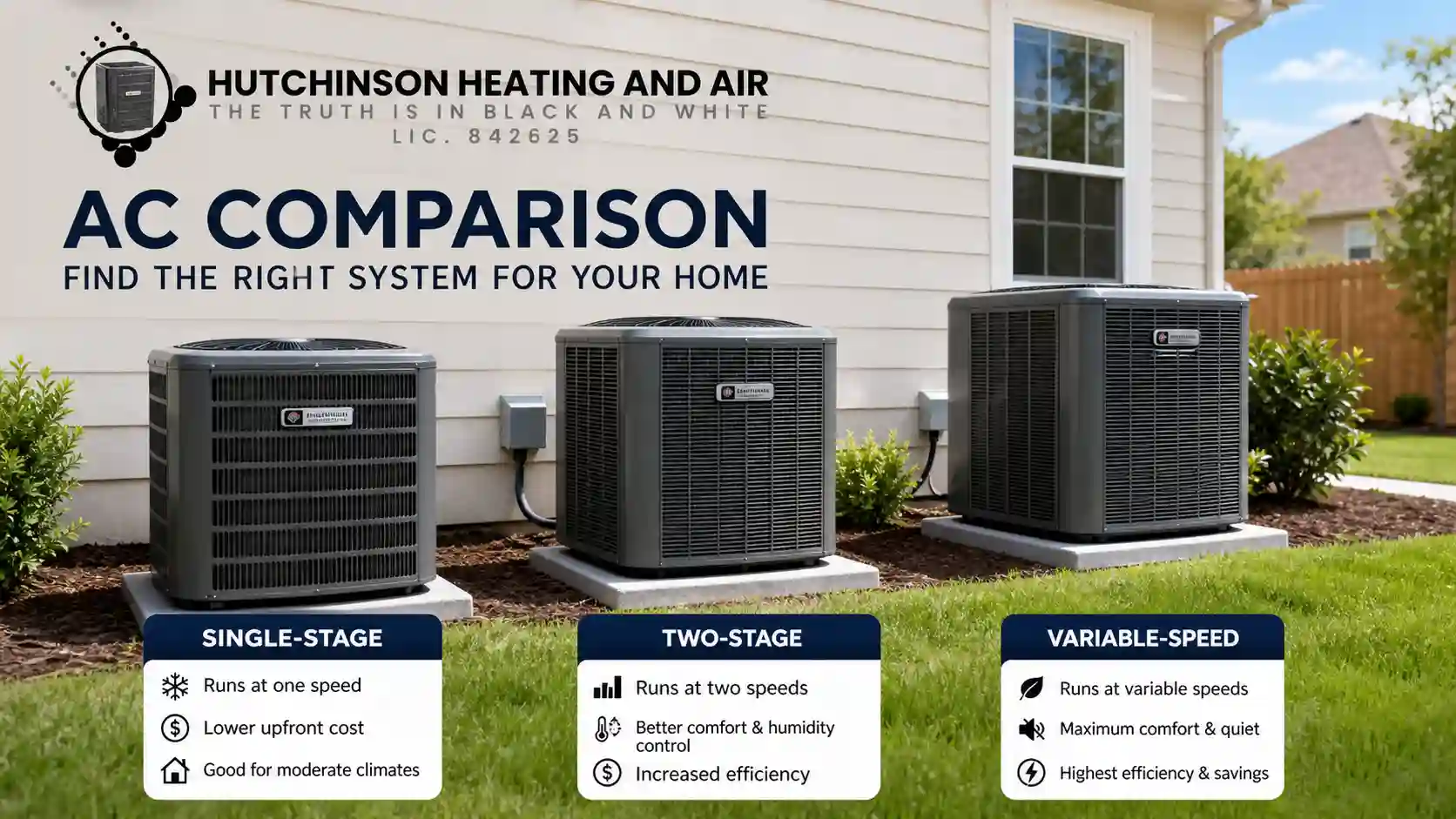
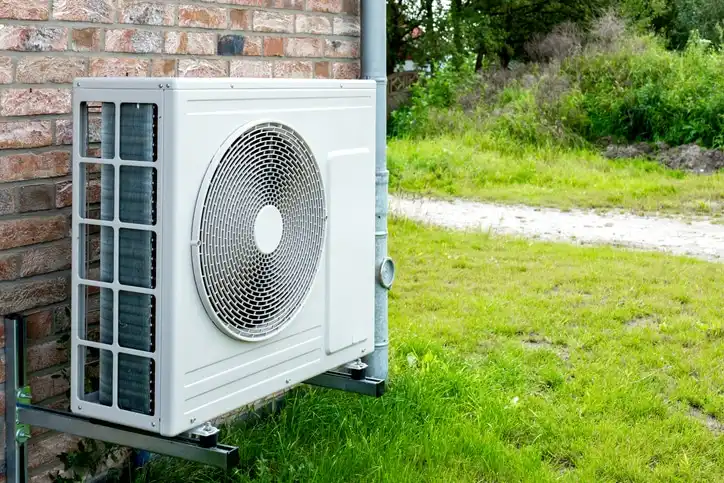
There’s also a visual reason for the confusion. A heat pump and a standard air conditioning condenser look almost identical from the outside. Both are metal boxes with a fan on top sitting on a concrete pad. Without opening the panel or checking specific labels, there’s no obvious visual cue that separates the two.
This is one of the most frequent calls Hector, our lead technician, fields on service visits. Homeowners will describe strange behavior, like the outdoor unit running during a cold snap, and it turns out they’ve had a heat pump the entire time without realizing it. Once you know what to check, though, confirming your system type takes less time than making a cup of coffee.
6 Ways to Identify Your Heat Pump
1. Check Your Thermostat for an Emergency Heat Setting
Start indoors. Look at your thermostat’s mode options. If you see a setting labeled “Emergency Heat,” “EM Heat,” or “Aux Heat” in addition to the standard Heat and Cool options, that’s a strong sign you have a heat pump. This setting exists specifically to trigger backup electric resistance heating when outdoor temperatures drop too low for the heat pump to draw enough ambient heat efficiently, something a furnace-only thermostat will never display.
Standard AC and furnace combinations only show basic Heat, Cool, and Fan settings, because the furnace handles all the heating on its own without needing a backup mode. If your thermostat has that extra emergency setting, you can move on to confirming it with a quick outdoor check.
2. Inspect the Outdoor Unit’s Nameplate (SEER vs SEER + HSPF)
Every outdoor condensing unit has a metal nameplate, usually on the side near the electrical connections, listing efficiency ratings. This is where you’ll find the clearest technical confirmation of what you own. Air conditioners only list a SEER or SEER2 rating, which measures cooling efficiency. Heat pumps list both a SEER2 rating and an HSPF2 rating, since HSPF2 measures heating seasonal performance, a rating that only applies to equipment capable of heating.
If your nameplate shows both numbers, you’re looking at a heat pump. Since 2023, most new installations in California carry SEER2 and HSPF2 ratings rather than the older SEER and HSPF standards, so don’t be surprised if your label uses the updated terminology. This is also useful information to have on hand if you ever call for HVAC services in Murrieta, since technicians use these numbers to diagnose efficiency issues quickly.
3. Look for the Reversing Valve
If your nameplate is faded or missing, the reversing valve is your next best clue, though this check requires a bit more care. With the system powered off at the thermostat, go outside and look down into the top grille of the outdoor unit once the fan has completely stopped spinning. You’re looking for a brass, cylindrical component with three refrigerant lines connected to one side.
This part exists solely to let the system switch the direction of refrigerant flow, which is what allows a single unit to both heat and cool. Standard air conditioners never need this capability, so they simply don’t have one. If you see it, you’re looking at a heat pump.
4. Switch Your System to Heat Mode and Observe
This test works best on a cool morning or evening. Set your thermostat to Heat and raise the temperature a few degrees above the current room temperature, then walk outside to the condensing unit. If the outdoor fan kicks on and the unit runs while warm air is coming from your indoor vents, you have a heat pump actively pulling heat from outside.
A standard air conditioner paired with a gas furnace will stay completely silent outside during heating, since the furnace does all the work indoors through combustion. Hearing that outdoor unit hum away in the middle of winter is one of the clearest real-world signs a homeowner can observe without opening a single panel.
5. Check the Indoor Unit (Air Handler vs Gas Furnace)
Head to your indoor equipment, typically located in a garage, closet, or attic. A gas furnace is a metal cabinet connected to a flue pipe or vent that carries combustion exhaust outside, and you may notice a faint gas odor near the connection point. A heat pump system instead uses an air handler, a similar looking metal cabinet, but without any flue pipe, since there’s no combustion happening indoors at all.
Inside an air handler, you’ll typically find heavy gauge electrical wiring leading to a small bank of electric heating strips, which serve as the backup heat source triggered by that Emergency Heat setting on your thermostat. If your indoor unit has no exhaust venting and relies on electrical connections instead, that lines up with everything else pointing toward a heat pump.
6. Review Your Owner’s Manual or Installation Records
If the previous homeowner left behind any paperwork, this is often the fastest confirmation of all. Installation receipts, permit records, or the original equipment manual will usually state the system type directly. If you have the model number from either the indoor or outdoor unit, searching it alongside the manufacturer name typically pulls up spec sheets that confirm exactly what’s installed.
Riverside County also keeps permit records for HVAC installations, so if the system was installed or replaced with proper permitting, that documentation can confirm your system type as well.
Why Heat Pumps Are Common in Temecula & Murrieta Homes
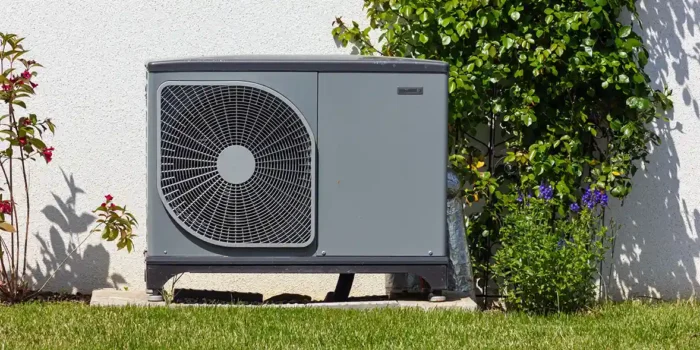
If you’ve gone through these checks and confirmed you have a heat pump, there’s a good reason for that. Southern California’s climate rarely drops low enough to challenge a heat pump’s efficiency the way colder regions do, which makes them a practical fit for our winters. Many newer subdivisions across Temecula and Murrieta were also built as all electric communities without natural gas infrastructure, which makes a heat pump the only realistic heating option available.
Southern California Edison’s rate structure adds another layer to this decision. Electricity costs here can shift significantly based on time of use plans, and a heat pump’s efficiency directly affects how much those rate changes show up on your bill. Homeowners who understand their system type are in a much better position to choose the right SCE rate plan and avoid surprises during peak summer or winter usage periods.
Benefits of Having a Heat Pump
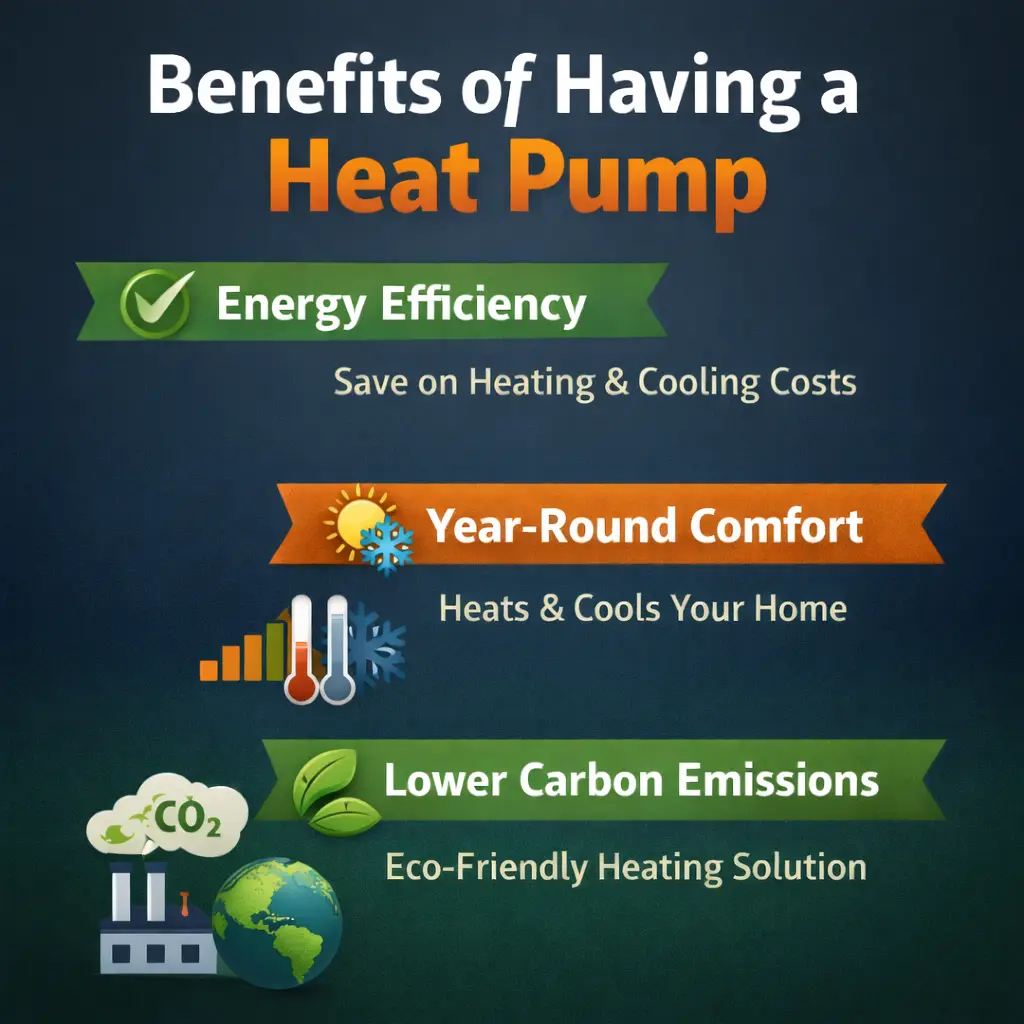
Energy Efficiency
Because a heat pump moves existing heat rather than generating new heat through combustion or resistance, it typically uses less energy to produce the same comfort level as a furnace, particularly in a mild climate like ours. This efficiency is measured through that SEER2 and HSPF2 rating combination discussed earlier, and higher rated systems can meaningfully reduce monthly utility costs over the life of the equipment.
Year-Round Comfort
A heat pump handles both your summer cooling and winter heating needs through one connected system, which means more consistent airflow and temperature control throughout the year. There’s no seasonal handoff between separate heating and cooling equipment, so the transition between AC season and heating season tends to feel smoother for most households.
Lower Utility Costs with SCE Rates
Pairing an efficient heat pump with the right Southern California Edison rate plan can meaningfully lower your annual energy spend, especially if your system uses a newer SEER2 rated compressor and R-410A refrigerant. Homeowners who upgrade older, lower efficiency heat pumps to current SEER2 standards often notice the difference within the first few billing cycles, particularly during peak summer months when electricity demand and rates both climb.
What If You Have a Heat Pump?
Confirming you own a heat pump changes how you should approach maintenance and troubleshooting. These systems run essentially year round rather than sitting idle for half the year, which means they benefit from a biannual maintenance schedule rather than the single annual tune up that furnace and AC combinations typically need. It also means certain behaviors that might look alarming, like brief defrost cycles in winter, are completely normal rather than signs of malfunction.
Knowing your system type also helps you communicate more clearly when scheduling service, since a technician arriving prepared for heat pump specific components like reversing valves and defrost boards can diagnose issues faster than one expecting a standard furnace.
Read More: Is a Heat Pump Gas or Electric?
What If You Don’t Have a Heat Pump?
If your checks point to a traditional gas furnace and separate air conditioner instead, that’s useful information too. Your maintenance schedule should focus on furnace specific tasks like burner inspection and heat exchanger checks before winter, alongside standard AC maintenance before summer. It also means you won’t have an Emergency Heat setting to rely on, since your furnace serves as the sole heating source without a backup mode.
Either way, understanding what’s actually installed in your home puts you in a much stronger position to budget for repairs, plan future upgrades, and avoid paying for the wrong type of service call.
When to Call an HVAC Professional
If you’ve gone through all six checks and you’re still not confident about what you’re looking at, or if you found conflicting signs like a thermostat with Emergency Heat but no visible reversing valve, it’s time to bring in a professional rather than guess. Mixed signals sometimes point to a dual fuel system, which pairs a heat pump with a backup gas furnace rather than electric strips, and that combination can be tricky to identify without training.
Our team at Hutchinson Heating and Air has served Temecula and Murrieta homeowners for more than 21 years, and our NATE certified technicians, led by Hector, can identify your exact system type during a single visit, along with checking that everything is running the way it should. If you’re due for a checkup anyway, browsing our HVAC services in Murrieta is a good starting point for scheduling an inspection.

Final Thought
Knowing how do I know if I have a heat pump doesn’t require any special tools, just a thermostat check, a quick look at your outdoor unit, and a few minutes of your time. Whether you confirm a heat pump or a traditional furnace setup, that knowledge helps you schedule the right maintenance, avoid unnecessary service calls, and plan ahead for repairs or upgrades. If you’d rather have a professional confirm it for you, contact Hutchinson Heating and Air and our team will identify your system, answer your questions, and make sure everything is running the way it should before the next season change.
FAQs
What does emergency heat mean on my thermostat?
Emergency heat is a backup setting exclusive to heat pump systems that activates electric resistance heating strips when outdoor temperatures drop too low for the heat pump to draw enough ambient heat efficiently. It should only be used temporarily, since running on emergency heat for extended periods is far less efficient and more expensive than normal heat pump operation.
Why does my heat pump keep going in and out of defrost?
Defrost cycles happen when frost builds up on the outdoor coil during cold, humid weather, and the system briefly reverses to melt that ice before returning to normal heating. This is completely normal behavior for a heat pump and not a sign of malfunction, though frequent or prolonged defrost cycles can sometimes indicate low refrigerant or a sensor issue worth having checked.
Are heat pumps energy efficient in Southern California?
Yes, heat pumps tend to perform especially well in Southern California because our winters rarely get cold enough to push the system into less efficient backup heating modes. Combined with a SEER2 rated compressor and the right SCE rate plan, a well maintained heat pump can be one of the more cost effective heating and cooling options for Temecula and Murrieta homes.
Do heat pumps need regular maintenance?
Yes, and typically more often than a standard AC and furnace setup, since heat pumps operate year round rather than seasonally. A biannual maintenance schedule, once before summer and once before winter, helps catch issues like refrigerant leaks or worn components before they lead to a full breakdown.
Can a heat pump work without a backup heat source?
In most cases, yes, especially in a mild climate like ours where temperatures rarely drop low enough to require backup heating strips or a secondary furnace. That said, some homeowners still choose a dual fuel setup for extra reliability during unusually cold stretches, which is a decision worth discussing with a technician based on your specific home and usage habits.