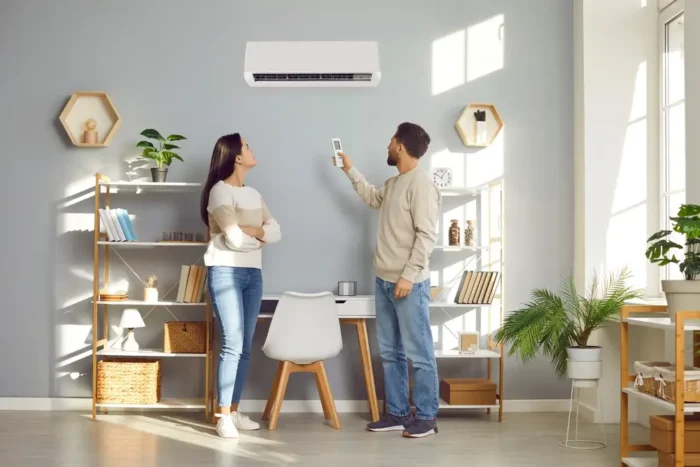
When your AC starts working again after a repair, you may expect your home to cool immediately. However, many homeowners notice the house still feels warm for some time after service. So, How Long to Cool House After AC Repair? In most cases, cooling delays are normal and depend on factors like repair type, outdoor heat, humidity, airflow, and insulation.
At Hutchinson Heating and Air, many homeowners in Murrieta and Temecula ask why their AC unit takes long time to cool during summer. This guide explains normal cooling times, what affects AC performance, and when you should call an HVAC professional again.
Quick Answer | How Long Does It Take to Cool a House After AC Repair?
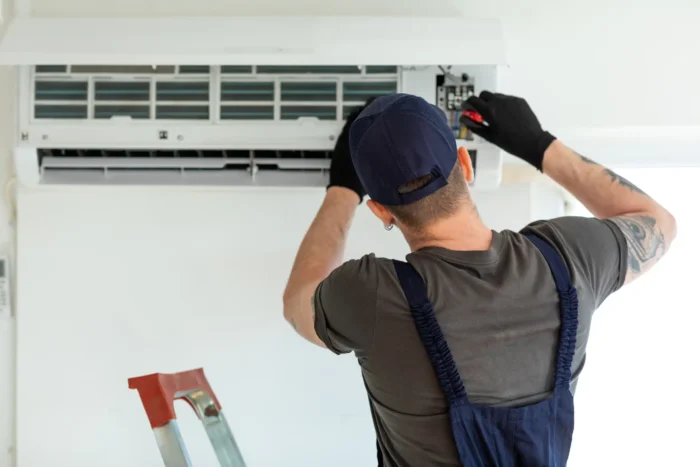
Most homes begin to feel noticeably cooler within 30 minutes to 2 hours after a typical AC repair. However, if the system has been off for an extended period or the home is larger, it may take anywhere from 3 to 6 hours to reach the desired thermostat temperature.
Simple repairs, such as replacing a capacitor or recalibrating a thermostat, often restore cooling performance quickly. More extensive repairs, including refrigerant recharging, blower motor replacement, or compressor repairs, may require additional time for the system to operate efficiently and stabilize.
Under normal conditions, a properly functioning air conditioner can reduce indoor temperatures by approximately 1 to 2 degrees per hour during hot weather. If your home is not cooling within this range after the repair, there may be another underlying issue affecting the system’s performance.
Average Cooling Time by Home Size
Apartments and Small Homes
Smaller spaces cool faster because there is less air volume and thermal mass. Most apartments feel comfortable again within 1–2 hours after repair.
Medium-Sized Homes
Average family homes may require 2–4 hours depending on outside heat and insulation quality.
Large Multi-Story Homes
Larger homes naturally cool slower. Upstairs rooms often stay warmer longer because heat rises and sunlight affects upper floors more heavily.
What Happens Right After an AC Repair?
After an air conditioning repair, the system does not always operate at peak efficiency instantly. Several internal processes happen during the first cooling cycle.
System Recalibration After Repair
Modern HVAC systems often recalibrate airflow, refrigerant pressure, and thermostat communication after repairs. This process may cause a slight delay before cooling becomes consistent throughout the house.
Refrigerant Pressure Stabilization
If refrigerant was added during the repair, pressure levels inside the system need time to normalize. During this stage, homeowners sometimes notice uneven cooling or slightly longer cooling cycles.
Thermostat Communication Reset
Smart thermostats and programmable systems occasionally need time to reconnect with the HVAC equipment properly. Incorrect thermostat communication can make the system run longer initially.
Airflow and Temperature Balancing
Once repairs are complete, the air handler and ductwork begin redistributing cooled air through the home again. If the house became extremely hot before the repair, furniture, walls, and flooring may still hold heat for several hours.
Factors That Affect How Long It Takes to Cool Your House
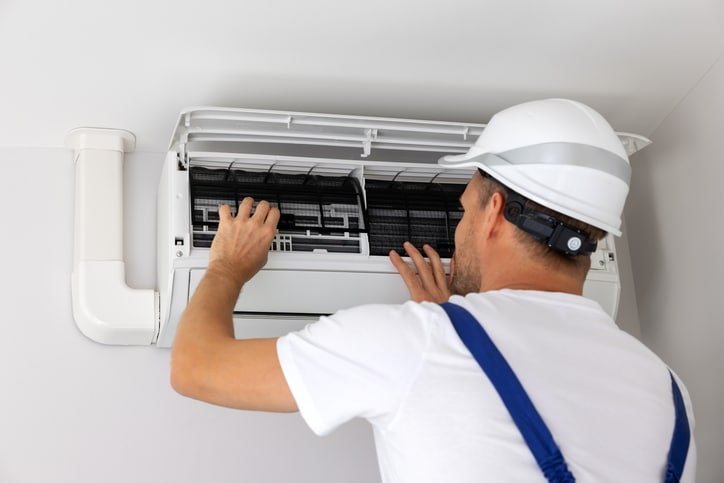
Several important factors influence how long does a room stay cool after AC service or how quickly the system recovers after repairs.
Outdoor Temperature and Heat Waves
During extreme summer heat in Murrieta and Temecula, HVAC systems work much harder. If outdoor temperatures reach 95–105°F, your air conditioner may cool slower than expected even after successful repairs.
Homes exposed to direct sunlight throughout the afternoon often experience a long time to cool room conditions because the walls and attic absorb significant heat.
Humidity Levels Inside the Home
Humidity affects comfort more than many homeowners realize. High indoor humidity makes rooms feel warmer even if the thermostat temperature appears normal.
Air conditioners remove moisture gradually during operation. After repairs, it can take time before humidity levels drop enough for the house to feel fully comfortable again.
AC Unit Size and Cooling Capacity
An improperly sized AC system can create long-term cooling issues.
- Oversized systems cool too quickly without removing enough humidity
- Undersized systems run constantly and struggle during hot weather
- Older systems lose efficiency over time
Incorrect sizing is one reason some homeowners constantly deal with an AC unit takes long time to cool down.
Home Insulation and Thermal Mass
Poor insulation allows cooled air to escape while outdoor heat enters the house. Homes with older windows, attic leaks, or poor sealing usually recover slower after AC repairs.
Thermal mass also matters. Concrete floors, brick walls, and large furniture pieces store heat and slowly release it back into the room.
Dirty Air Filters
A clogged filter restricts airflow and forces the system to work harder. Even after repair, dirty filters can continue reducing cooling performance.
Leaky or Damaged Ductwork
Damaged ducts allow cooled air to escape into attics or crawl spaces before reaching living areas. This can create uneven temperatures and longer cooling cycles.
Thermostat Settings
Setting the thermostat extremely low does not cool the home faster. It only forces the system to run longer. Most HVAC professionals recommend setting the thermostat between 72°F and 78°F for balanced comfort and efficiency.
Sunlight Exposure Through Windows
Large windows facing west or south can dramatically increase indoor heat gain during the afternoon.
How Long Does It Take After Different Types of AC Repairs?
Not all repairs affect cooling recovery time equally.
After Refrigerant Recharge
Refrigerant-related repairs usually restore cooling within 1–3 hours. However, if refrigerant levels were extremely low, the house may need longer to recover from accumulated heat.
After Compressor Replacement
The compressor is the heart of the cooling system. After compressor repairs, full cooling performance may take several hours because the entire system needs stabilization.
Many homeowners ask about ac compressor cooling performance after repairs. In most cases, the compressor should run steadily without loud noises, overheating, or short cycling.
After Capacitor Repair
Capacitor replacements usually provide immediate improvement. Cooling often resumes within 30–60 minutes.
After Thermostat Replacement
New thermostats may require recalibration or programming adjustments before achieving accurate temperature control.
After Condenser Coil Cleaning
Dirty condenser coils reduce heat transfer efficiency. Once cleaned, many homeowners notice stronger airflow and faster cooling within the same day.
After Blower Motor Repair
Blower motor repairs restore airflow throughout the home. Rooms that previously felt weak or stuffy usually improve significantly after this repair.
After Duct Repair
Airflow balancing after duct repair can take several hours as temperatures equalize between rooms.
After Full AC Tune-Up
A complete tune-up improves overall system performance gradually. Many homeowners notice better cooling consistency within the first day after service.
For homeowners searching for dependable AC Repair Murrieta and Temecula, professional inspections help identify hidden airflow or refrigerant problems before they become expensive breakdowns.
Signs Your AC Is Cooling Normally After Repair
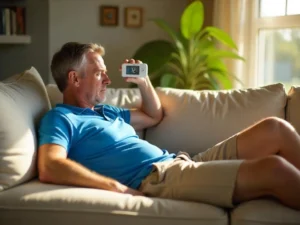
It helps to know what normal system recovery looks like.
Cool Air Coming From Vents
Air should feel consistently cool from all major supply vents.
Indoor Temperature Slowly Dropping
Most systems lower temperatures gradually instead of instantly.
Humidity Levels Improving
The house should begin feeling less sticky and humid after continued operation.
Normal AC Cycling
The system should cycle on and off normally once the desired temperature is reached.
Thermostat Reaching Set Temperature
Eventually, the thermostat should stabilize near your selected temperature setting.
Why Your AC Might Still Struggle After Repairs
Sometimes the original repair fixes one issue while another hidden problem remains.
Hidden HVAC Problems
Electrical issues, blocked evaporator coils, or damaged ducts can continue affecting cooling performance.
Incorrect AC Sizing
An undersized system may never fully cool the house efficiently during peak summer temperatures.
Extremely Hot Summer Days
Even fully repaired systems struggle during heat waves. This is especially common in Southern California areas with prolonged triple-digit temperatures.
Poor Insulation or Air Leaks
Air leaks around windows and doors reduce cooling efficiency and increase energy usage.
Low Refrigerant or Airflow Restrictions
Restricted airflow can still create a long time to cool room issue even after repairs are completed.
At Hutchinson Heating and Air, technicians often inspect the entire HVAC system instead of only replacing failed parts. This approach helps homeowners avoid repeat cooling problems.
Signs Something May Still Be Wrong With Your AC
Certain warning signs suggest the system needs additional inspection.
House Still Hot After Several Hours
If there is no noticeable temperature improvement after 4–6 hours, further diagnosis may be needed.
Weak Airflow From Vents
Weak airflow usually indicates duct issues, blower problems, or clogged filters.
AC Running Constantly
Continuous operation without cooling can signal refrigerant leaks or compressor issues.
Warm Air Instead of Cold Air
Warm airflow may indicate thermostat problems or refrigerant loss.
Strange Noises or Burning Smells
Grinding, buzzing, or burning odors should never be ignored.
Ice on Refrigerant Lines
Frozen refrigerant lines usually indicate airflow restrictions or refrigerant problems.
You can also read: Do You Tip AC Repair Guy?
How to Help Your House Cool Faster After AC Repair
Simple adjustments can improve recovery speed significantly.
Keep Doors and Windows Closed
Prevent warm outdoor air from entering the house during cooling cycles.
Use Ceiling Fans to Improve Air Circulation
Fans help distribute cooled air more evenly throughout the home.
Close Curtains and Blinds
Blocking sunlight reduces indoor heat gain during the hottest part of the day.
Avoid Heat-Producing Appliances
Ovens, dryers, and dishwashers generate extra heat that slows cooling.
Replace Dirty HVAC Filters
Clean filters improve airflow immediately.
Set Thermostat Correctly
Avoid setting the thermostat extremely low in hopes of faster cooling.
Reduce Attic Heat
Attic ventilation improvements can lower indoor temperatures noticeably.
Is It Normal for AC to Run Constantly After Repair?
In many cases, yes. After an AC repair, it is normal for the system to run continuously for several hours, especially if the indoor temperature became very high before the issue was fixed. The air conditioner may need extra time to remove accumulated heat and excess humidity from the home and restore the desired comfort level.
This extended cooling period is usually temporary. However, if the AC continues running nonstop for an entire day without reaching the thermostat setting, there may be an underlying problem that still needs attention. Checking airflow, indoor humidity levels, and thermostat operation can help determine whether the system is simply recovering or if additional HVAC repairs are required.
When Should You Call an HVAC Technician Again?
Some situations require immediate professional attention.
No Cooling Improvement After 3–4 Hours
Minimal temperature changes could indicate incomplete repairs.
Frozen Evaporator Coil
Frozen coils restrict airflow and reduce cooling.
Water Leaks Around Indoor Unit
Water leaks often signal drainage or coil problems.
Short Cycling Problems
Frequent starting and stopping can damage the compressor over time.
Electrical or Burning Smells
Electrical smells should always be inspected immediately for safety reasons.
If you need trusted AC Repair Murrieta and Temecula, experienced HVAC professionals can identify whether the issue is normal system recovery or a continuing mechanical problem.
Tips to Maintain Faster Cooling Performance
Regular maintenance prevents future cooling delays and improves system lifespan.
- Schedule annual HVAC inspections
- Clean outdoor condenser coils regularly
- Replace air filters every 1–3 months
- Seal duct leaks when needed
- Keep vents open and unobstructed
- Install a programmable thermostat
- Schedule professional air conditioning repair before summer heat arrives
Preventive maintenance also improves ac compressor cooling performance and reduces energy costs over time.
Conclusion
Some delay in cooling after HVAC service is completely normal, especially during hot summer weather or after major repairs. Most systems begin lowering indoor temperatures within a few hours as airflow, refrigerant pressure, and humidity levels stabilize. Understanding How Long to Cool House After AC Repair helps homeowners know when recovery time is normal and when additional service may be needed.
The key is monitoring how your system performs over time. If your AC unit takes long time to cool, runs constantly, or never reaches the thermostat setting, additional HVAC inspection may be necessary. Professional maintenance and timely air conditioning repair help keep your home comfortable while improving energy efficiency and system lifespan.
If your home still feels warm after service, contact Hutchinson Heating and Air for reliable diagnostics and professional HVAC solutions in Murrieta and Temecula.
Frequently Asked Questions
Why is my AC taking hours to cool my house after repair?
Large homes, hot weather, humidity, and major repairs can all increase cooling time. If the system is lowering temperatures gradually, the delay may still be normal.
Can a dirty filter slow cooling after AC repair?
Yes. Dirty filters reduce airflow and force the HVAC system to work harder. Even after repairs, clogged filters can create a long time to cool room problems.
How long should an AC compressor run after repair?
The compressor may run continuously for several hours if the home becomes extremely warm before repairs. However, nonstop operation without cooling improvement may indicate another issue.
Why is one room still hotter than others?
Uneven cooling usually comes from airflow restrictions, poor insulation, duct leaks, or sunlight exposure.
Does refrigerant recharge work immediately?
Cooling usually improves within 1–3 hours after refrigerant service. The system may need time to stabilize pressure levels and reduce indoor humidity.