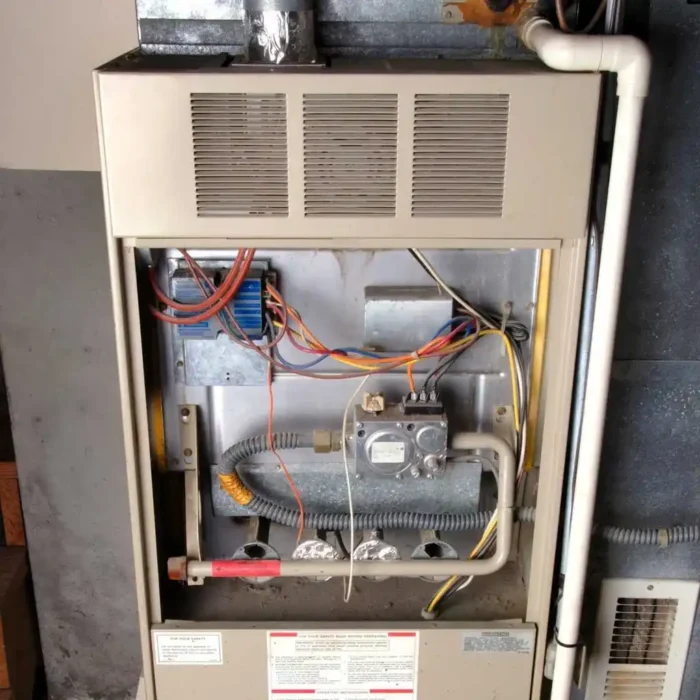
hen winter temperatures drop, many homeowners start wondering: How Many Watts Does a Gas Furnace Use? Although gas furnaces use natural gas or propane for heat, they still require electricity to power important components like the blower motor, ignition system, and thermostat. Understanding furnace electricity usage can help homeowners estimate energy costs, improve efficiency, and choose the right backup generator during power outages.
In many cases, higher utility bills come from the furnace blower motor working harder than necessary. At Hutchinson Heating and Air, homeowners often ask how to reduce furnace energy usage and improve heating efficiency during winter.
How Many Watts Does a Gas Furnace Use | Quick Answer ?
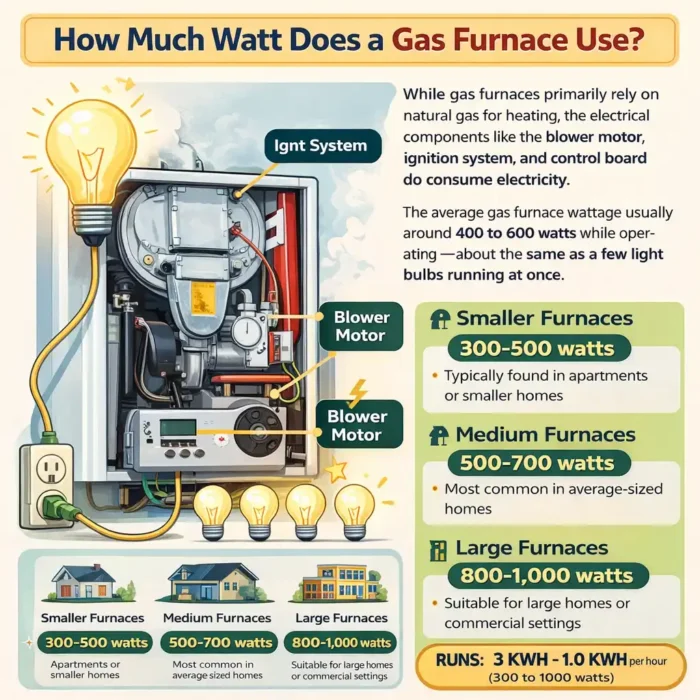
Most residential gas furnaces use between 400 and 800 running watts during normal operation. Startup power demand is usually higher and may range from 1200 to 2000 watts for a few seconds when the blower motor first starts.
Here is a simple breakdown of average gass furnace wattage levels:
| Furnace Type | Running Watts | Startup Watts |
| Standard Gas Furnace | 400–800 Watts | 1200–2000 Watts |
| High-Efficiency Furnace | 300–700 Watts | 1000–1800 Watts |
| Variable-Speed Furnace | 80–600 Watts | Lower Startup Demand |
The majority of the gass furnace electricity usage comes from the blower motor. Modern high-efficiency furnaces with ECM motors usually consume less power than older systems with PSC motors.
In many homes, the typical power consumption residential propane furnace blower motor watts falls between 300 and 700 watts depending on motor size and airflow demand.
Does a Gas Furnace Use Electricity or Gas?
Many homeowners assume a gas furnace only uses natural gas or propane. In reality, gas furnaces rely on both fuel and electricity to operate safely and efficiently.
What Gas Powers in a Furnace
Natural gas or propane is responsible for:
- Creating heat inside the burners
- Heating the heat exchanger
- Producing warm air for the home
Without gas, the furnace cannot generate heat.
What Electricity Powers
Electricity powers several important furnace components, including:
- Blower motor
- Ignition system
- Thermostat
- Circuit board
- Safety controls
- Inducer fan
This is why a gas furnace stops working during a power outage even when gas service is still available.
Why Furnaces Stop Working During Power Outages
A gas furnace cannot operate without electricity because the blower motor and ignition system require electrical power. During winter storms, homeowners often discover that their furnace shuts down completely when the power goes out.
This is also why generator sizing matters. Understanding gass furnace power consumption helps determine whether a portable generator can safely run the system during emergencies.
Average Watt Usage by Furnace Type
Different furnace models use different amounts of electricity. System efficiency, blower motor technology, and airflow design all affect total energy usage.
Single-Stage Furnace
Single-stage furnaces run at full power whenever heating is needed. These systems are common in older homes and typically use:
- 500–800 running watts
- Higher startup surges
- More electricity overall
Because they only operate at one speed, they may cycle on and off more frequently.
Two-Stage Furnace
Two-stage systems can run at lower power during mild weather and increase output during colder temperatures. These systems usually provide:
- Better comfort
- Improved efficiency
- Lower monthly operating costs
Their average electrical usage is often slightly lower than older single-stage systems.
Variable-Speed Furnace
Variable-speed furnaces use advanced ECM motors that automatically adjust airflow. These systems can significantly reduce gass furnace electricity usage because the motor does not constantly run at maximum speed.
Benefits include:
- Lower power usage
- Better airflow balance
- Quieter operation
- Improved humidity control
High-Efficiency Condensing Furnace
High-efficiency condensing furnaces are designed to maximize heat output while reducing energy waste. Many ENERGY STAR systems use advanced blower motors and smart controls that reduce overall gass furnace power consumption.
How Many Watts Does a Furnace Blower Use?
The blower motor is usually the biggest source of furnace electricity usage.
PSC Motor Watt Usage
Older PSC blower motors commonly use:
- 400–800 watts
- Higher energy during continuous operation
- More electricity when filters are dirty
These motors are less efficient and often increase monthly heating costs.
ECM Motor Watt Usage
Modern ECM motors are much more energy efficient. The typical electrical power consumption residential propane furnace blower motor with ECM technology may drop as low as:
- 80–300 watts during low-speed operation
- Lower startup demand
- Reduced energy waste
This can save homeowners a noticeable amount on electricity bills over time.
Why Blower Motors Use Most Electricity
The blower motor runs every time warm air moves through the ductwork. If airflow becomes restricted because of dirty filters, clogged vents, or leaking ducts, the motor works harder and uses more electricity.
In real-world service calls, technicians often find dirty air filters causing excessive gass furnace wattage increases during winter.
Furnace Startup Watts vs Running Watts
Gas furnaces require more electricity during startup than during normal operation.
What Happens During Startup
When the furnace first turns on:
- The inducer motor starts
- Ignition system activates
- Blower motor begins spinning
This temporary surge creates higher watt demand.
Why Startup Watts Matter
Startup power is important when selecting:
- Portable generators
- Backup battery systems
- Home standby generators
A furnace that normally runs at 600 watts may briefly require over 1500 watts during startup.
Generator Sizing for Gas Furnaces
Many homeowners ask whether a 2000-watt generator can run a furnace. In many cases, yes, but it depends on the blower motor size and startup surge requirements.
For safety, generators should always exceed startup watt demand rather than only matching running wattage.
How to Calculate Furnace Electricity Usage
Calculating furnace energy use is easier than many homeowners think.
Furnace Watt Formula
Use this simple formula:
kWh=Watts×Hours1000\text{kWh} = \frac{\text{Watts} \times \text{Hours}}{1000}kWh=1000Watts×Hours
This formula converts watt usage into kilowatt-hours used on your electric bill.
Monthly Cost Calculation Example
Here is a simple example:
- Furnace wattage: 600 watts
- Daily runtime: 8 hours
- Electricity rate: $0.20 per kWh
Calculation:
- 600 × 8 = 4800 watts
- 4800 ÷ 1000 = 4.8 kWh daily
- 4.8 × 30 days = 144 kWh monthly
At $0.20 per kWh:
- Monthly electricity cost = about $28.80
Actual costs vary depending on climate, insulation, and runtime.
How to Find Furnace Wattage Label
Homeowners can usually find furnace wattage:
- On the furnace label
- Inside the service panel
- In the owner’s manual
- On manufacturer specification sheets
HVAC technicians can also measure electrical draw during maintenance visits.
How Much Does It Cost to Run a Gas Furnace?
Heating costs depend on weather conditions, thermostat settings, and system efficiency.
| Usage Type | Estimated Cost |
| Occasional Heating | Low |
| Regular Winter Heating | Medium |
| Continuous Fan Mode | Higher |
Daily Electricity Cost
Most gas furnaces cost only a few dollars per day in electricity during mild weather. However, blower motors running continuously can increase costs quickly.
Monthly Winter Cost
In colder climates, continuous furnace operation can increase both gas and electricity bills. Older systems with PSC motors often create higher monthly energy costs.
Cost in Cold vs Mild Climates
Homes in colder regions naturally experience higher gass furnace electricity usage because the blower motor runs more often and for longer periods.
Factors That Affect Gas Furnace Wattage
Several factors influence total furnace power usage.
Furnace Size
Larger furnaces require larger blower motors and usually consume more electricity.
Insulation Quality
Poor insulation forces the furnace to run longer, increasing gass furnace power consumption throughout the winter.
Thermostat Settings
Higher thermostat settings increase furnace runtime and energy usage.
Dirty Air Filters
Dirty filters reduce airflow and force blower motors to work harder. This is one of the most common causes of excessive furnace electricity usage.
Ductwork Leaks
Leaking ducts waste heated air and increase operating time.
Outdoor Temperature
Colder outdoor temperatures naturally increase heating demand.
Blower Motor Type
ECM motors generally use far less electricity than older PSC motors.
Homeowners looking to improve efficiency should consider professional Heater Maintenance Temecula and Murrieta services to keep blower motors, filters, and airflow systems operating properly.
Does a High-Efficiency Furnace Use Less Electricity?
Yes, high-efficiency systems usually consume less electricity over time.
ECM vs Traditional Motors
ECM motors adjust speed automatically based on airflow demand. Traditional PSC motors typically run at fixed speeds and waste more energy.
Smart Thermostat Benefits
Smart thermostats help reduce unnecessary furnace runtime by:
- Learning household schedules
- Adjusting temperatures automatically
- Improving energy management
Long-Term Energy Savings
High-efficiency furnaces often provide:
- Lower utility bills
- Quieter operation
- Better airflow control
- Improved indoor comfort
At Hutchinson Heating and Air, homeowners often upgrade older systems to variable-speed furnaces to reduce heating costs and improve comfort during winter.
Can a Portable Generator Run a Gas Furnace?
Portable generators can often power a gas furnace during outages, but proper sizing is critical.
Recommended Generator Size
Most residential gas furnaces require:
- 1500–3000 starting watts
- 500–800 running watts
Variable-speed systems may require less electricity.
Startup Surge Requirements
Always calculate startup wattage before purchasing a generator. Motors require extra power for a few seconds during startup.
Safety Tips During Power Outages
Homeowners should:
- Use proper transfer switches
- Avoid indoor generator use
- Follow manufacturer instructions
- Have systems inspected regularly
Read More: How Long Does It Take to Install a Furnace?
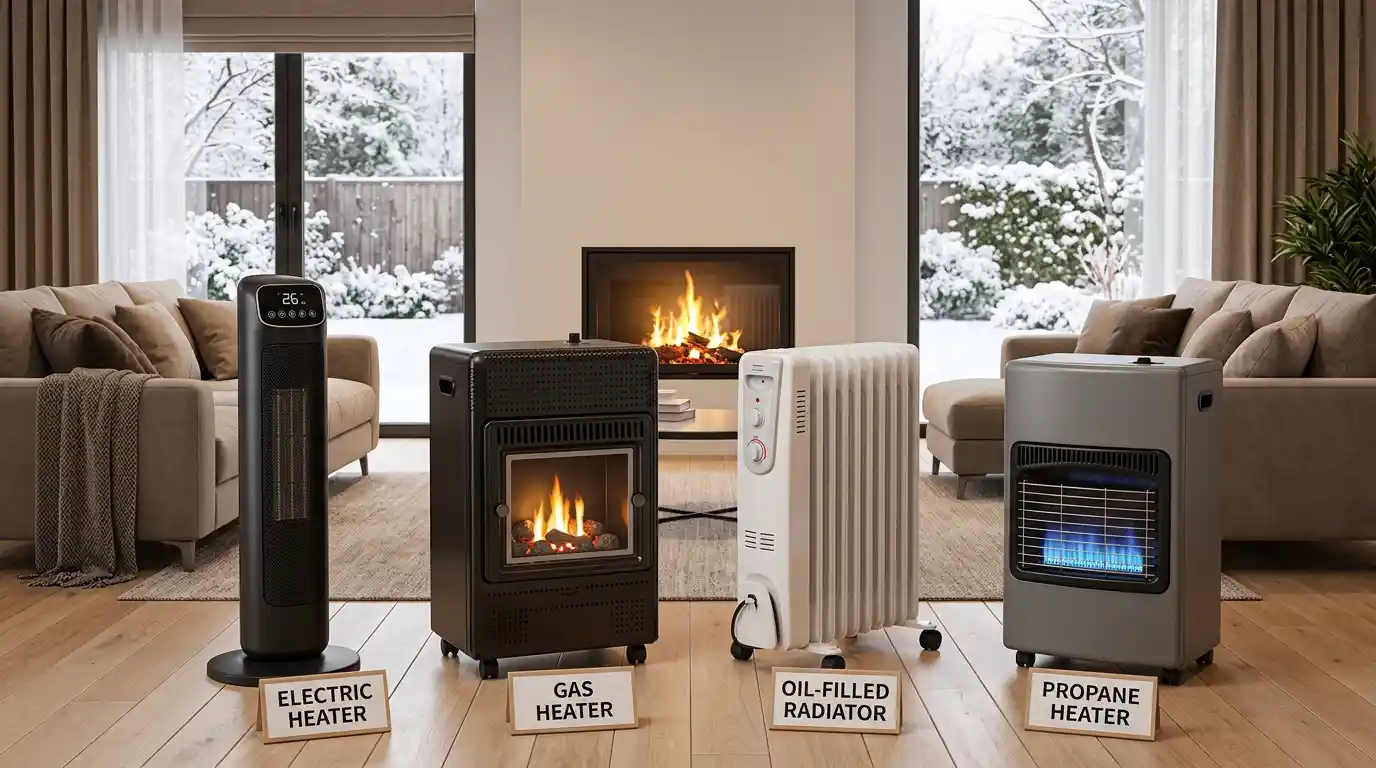
Gas Furnace vs Electric Furnace Watt Usage
Heating systems vary greatly in electricity usage.
| Heating System | Average Watts |
| Gas Furnace | Lower |
| Electric Furnace | Very High |
| Heat Pump | Moderate |
| Space Heater | Medium |
Gas Furnace Electricity Use
Gas furnaces mainly use electricity for airflow and controls.
Electric Furnace Power Consumption
Electric furnaces use far more electricity because heating elements run entirely on electrical power.
Heat Pump Energy Usage
Heat pumps are usually more efficient in mild climates but may struggle in extreme cold.
Space Heater Comparison
Portable space heaters commonly use around 1500 watts each, which can quickly increase electricity bills.
Signs Your Furnace Is Using Too Much Electricity
Some warning signs indicate unusually high furnace power usage.
Rising Utility Bills
Unexpected bill increases may signal airflow or blower motor problems.
Furnace Runs Constantly
Continuous operation often points to insulation issues, thermostat problems, or restricted airflow.
Weak Airflow
Weak airflow forces motors to work harder.
Dirty Components
Dust buildup inside the furnace can reduce efficiency.
Aging Blower Motor
Older motors naturally become less efficient over time.
Routine maintenance can help identify these problems before they increase heating costs.
How to Reduce Gas Furnace Electricity Usage
Improving efficiency does not always require replacing the entire furnace.
Replace Air Filters
Clean filters improve airflow and reduce blower strain.
Schedule HVAC Maintenance
Professional maintenance helps:
- Clean components
- Inspect motors
- Improve airflow
- Reduce energy waste
Upgrade to Variable-Speed Furnace
Modern ECM motors use significantly less electricity.
Seal Air Leaks
Proper insulation and duct sealing reduce furnace runtime.
Install Smart Thermostat
Smart controls help manage heating schedules more efficiently.

Final Thoughts
Understanding How Many Watts Does a Gas Furnace Use helps homeowners make smarter decisions about energy efficiency, heating costs, and backup power planning. Most residential gas furnaces use moderate electricity during operation, but blower motors can still impact monthly utility bills significantly.
Modern high-efficiency systems with ECM motors often reduce gass furnace power consumption, improve airflow, and lower long-term operating costs. Regular maintenance, clean filters, and proper insulation can also help reduce unnecessary electricity usage throughout the winter season.
If your heating system seems inefficient or your utility bills continue rising, contact Hutchinson Heating and Air for professional furnace inspections, maintenance, and energy-efficient heating solutions in Temecula and Murrieta.
Frequently Asked Questions
How many watts does a gas furnace use per hour?
Most gas furnaces use between 400 and 800 running watts per hour during normal operation. Startup demand is usually much higher for a few seconds.
Can a 2000-watt generator run a gas furnace?
In many cases, yes. However, homeowners must consider startup surge requirements before using a portable generator with a furnace.
Does running the fan continuously increase electricity usage?
Yes. Continuous fan operation keeps the blower motor running constantly, increasing total gass furnace electricity usage each month.
Do high-efficiency furnaces use less electricity?
Yes. High-efficiency furnaces with ECM motors generally use less electricity than older PSC motor systems.
Is furnace wattage listed on the unit?
Most furnaces include electrical information on the manufacturer label or inside the service panel.