When an HVAC system starts failing during extreme weather, many homeowners ask: How Much Does It Cost to Replace HVAC System in 2026? The average hvac replacement cost has increased due to higher equipment prices, energy-efficiency upgrades, and labor demand. Still, understanding the cost of replacing hvac system components helps homeowners avoid expensive breakdowns and rising utility bills.
At Hutchinson Heating and Air, many customers compare repairing older units with full replacement options. The final replacing hvac system cost depends on system size, ductwork condition, and installation complexity. Knowing the real hvac system replacement cost helps homeowners make smarter long-term heating and cooling replacement cost decisions.
What Is the Average Cost to Replace an HVAC System?
The average hvac system replacement cost in 2026 typically ranges between $7,000 and $16,000 for a complete residential system. However, some smaller homes may pay less, while large high-efficiency systems can cost much more.
Several factors affect the final price, including:
- Home square footage
- HVAC brand and model
- Efficiency rating
- Existing ductwork condition
- Installation complexity
- Local permit requirements
National Average HVAC Replacement Cost
For most homeowners, the national average replacing hvac system cost falls around $10,000 to $12,500 for a complete heating and cooling setup. This usually includes:
- Outdoor condenser
- Indoor evaporator coil
- Furnace or air handler
- Thermostat
- Installation labor
- Basic materials
Premium systems with advanced efficiency ratings or zoning features can increase the overall heating and cooling replacement cost significantly.
Low-End vs High-End HVAC System Pricing
A basic HVAC replacement for a smaller home may start around $6,500 to $8,000. On the other hand, larger homes needing duct modifications, upgraded electrical work, or high-efficiency equipment may spend $18,000 or more.
Lower-cost systems usually offer:
- Standard efficiency ratings
- Basic thermostat controls
- Shorter warranty coverage
Higher-end systems often include:
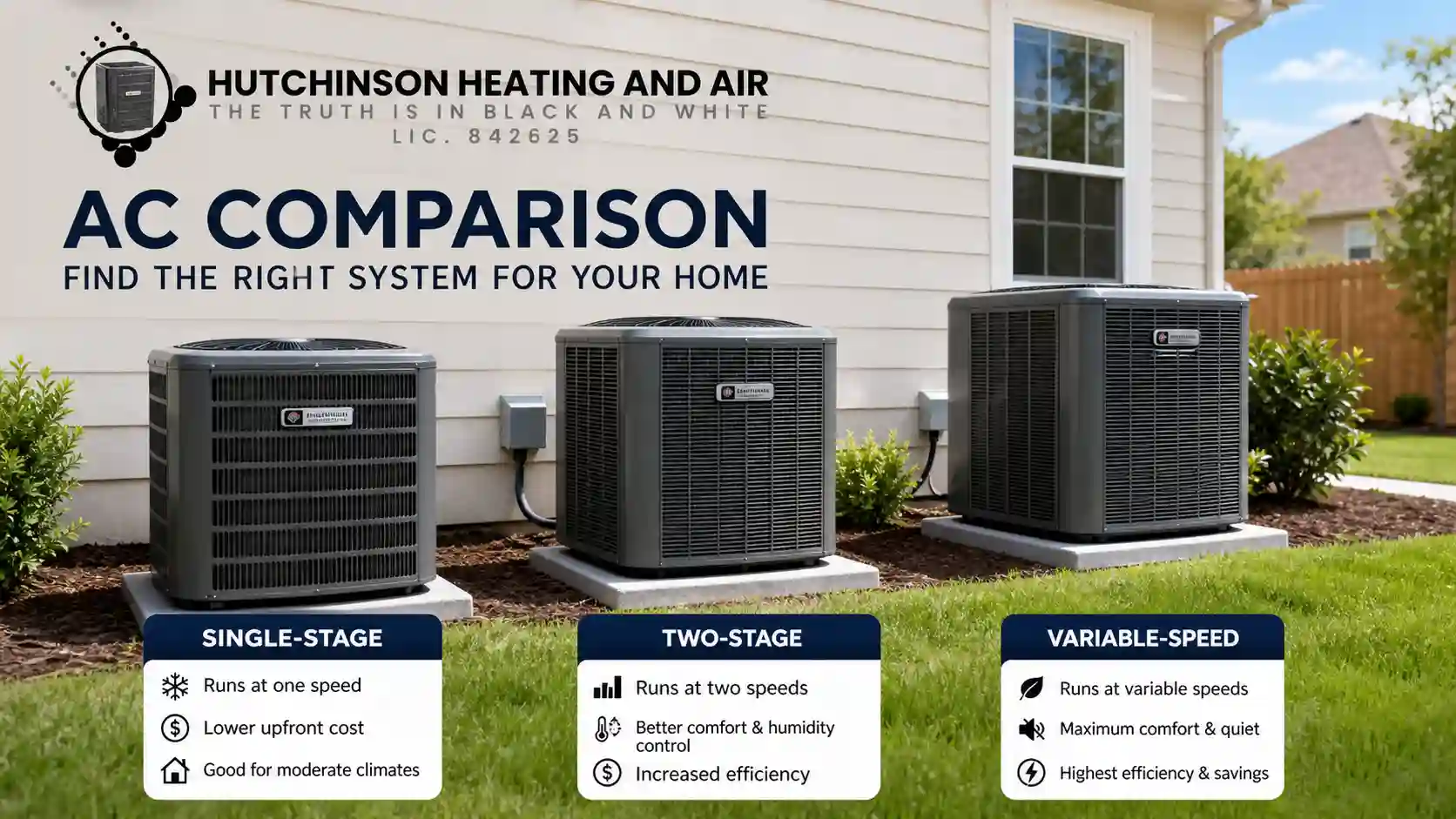
- Variable-speed technology
- Better humidity control
- Quieter operation
- Smart home compatibility
- Improved energy savings
Full HVAC Replacement vs Partial Replacement
Some homeowners replace only the air conditioner or furnace separately. While this may lower upfront costs, mismatched systems can reduce efficiency and shorten equipment lifespan.
A full system replacement often provides:
- Better airflow balance
- Improved energy performance
- Stronger manufacturer warranty protection
- Lower long-term repair expenses
HVAC Replacement Cost by Home Size
Home size directly affects the total hvac replacement cost because larger homes require more powerful systems.
1000 Square Foot Home
Estimated cost: $6,500–$9,500
1500 Square Foot Home
Estimated cost: $8,000–$11,500
2000 Square Foot Home
Estimated cost: $10,000–$14,000
2500+ Square Foot Home
Estimated cost: $13,000–$20,000+
Proper sizing matters. Oversized systems cycle too quickly, while undersized systems struggle to maintain comfort during extreme temperatures.
What Affects the Cost of Replacing Your Heating and Cooling System?
Many homeowners assume HVAC pricing is only about the equipment itself. In reality, several technical factors influence the total cost of replacing hvac system components.
HVAC Unit Size and Tonnage
HVAC systems are measured in tons. Larger homes require higher tonnage systems to cool properly.
A system that is too large can:
- Waste energy
- Increase humidity problems
- Cause uneven temperatures
A professional load calculation helps determine the correct system size.
Energy Efficiency Ratings (SEER2 & AFUE)
Higher efficiency systems cost more initially but reduce monthly utility bills over time.
Important ratings include:
- SEER2 for air conditioners
- AFUE for furnaces
- HSPF for heat pumps
Modern high-efficiency systems can lower energy use by 20% to 40% compared to older units.
Ductwork Repair or Replacement
Damaged or leaking ducts can reduce HVAC efficiency significantly. In some homes, replacing ductwork becomes necessary during installation.
Duct replacement costs vary based on:
- Home layout
- Accessibility
- Duct material
- Airflow redesign needs
Labor and Installation Costs
Professional installation is one of the biggest parts of the total heating and cooling replacement cost. Complex installations require additional labor for:
- Refrigerant line replacement
- Electrical upgrades
- Drainage modifications
- Code compliance
Improper installation can shorten system life and reduce efficiency.
Brand and Equipment Quality
Premium HVAC brands usually cost more because they offer:
- Better warranties
- Advanced technology
- Longer expected lifespan
- Improved reliability
Budget systems may save money upfront but sometimes require more repairs later.
Permit and Inspection Costs
Many cities require permits for HVAC replacement projects. Local inspections help ensure the system meets current building and safety codes.
HVAC Replacement Cost by System Type
Different HVAC systems have different pricing structures.
Central Air Conditioning Systems
Central AC systems remain one of the most common residential cooling solutions. Average replacement cost ranges between $6,500 and $12,000 depending on efficiency and size.
Furnace and AC Combo Systems
A combined furnace and air conditioner replacement typically costs $9,000 to $16,000.
This option works well for homeowners replacing older matched systems together.
Heat Pump Systems
Heat pumps provide both heating and cooling from one system. Prices usually range from $8,000 to $18,000.
They are especially popular in moderate climates because of their energy efficiency.
Ductless Mini-Split Systems
Mini-split systems work well for:
- Older homes without ductwork
- Room additions
- Zoned temperature control
Pricing depends on the number of indoor units installed.
Packaged HVAC Units
Packaged systems combine heating and cooling equipment into one outdoor cabinet. They are common in smaller homes or rooftop installations.
Equipment Versus Labor | Where Your Money Goes
Many homeowners are surprised that labor can account for a large part of the total hvac system replacement cost.
Equipment Costs Explained
Equipment pricing includes:
- Condenser
- Furnace or air handler
- Coil
- Thermostat
- Refrigerant components
Higher-efficiency systems naturally increase equipment costs.
HVAC Installation Labor Charges
Labor pricing depends on:
- Installation difficulty
- Home accessibility
- Ductwork modifications
- Local market demand
Experienced installers help prevent future performance issues.
Hidden Costs Homeowners Forget
Some additional expenses may include:
- Permit fees
- Electrical panel upgrades
- Refrigerant line replacement
- Disposal of old equipment
- Attic or crawlspace access challenges
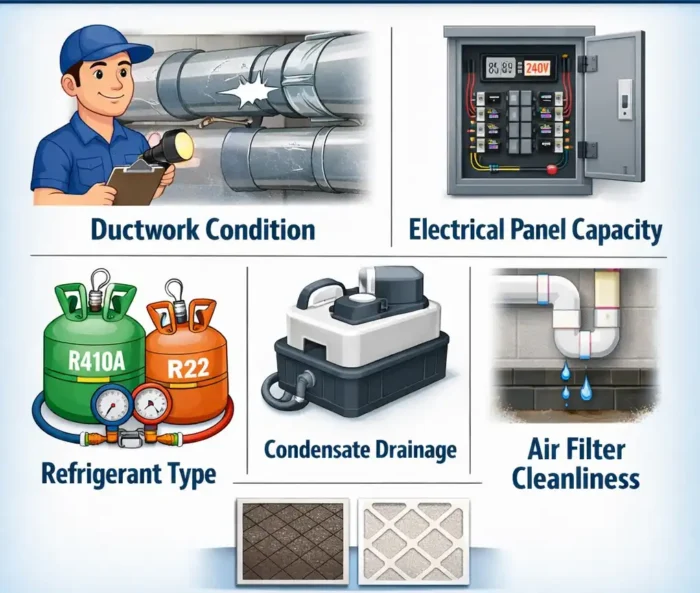
What Local HVAC Technicians Check Before Replacement
Before recommending replacement, professional HVAC contractors evaluate the entire system carefully.
Home Size and Load Calculation
Correct sizing ensures your system operates efficiently year-round.
Existing Ductwork Condition
Leaking ducts can reduce comfort and waste energy.
Airflow and Insulation Problems
Poor insulation or blocked airflow can make even new systems struggle.
Indoor Air Quality Needs
Some homeowners add:
- UV lights
- Whole-home air purifiers
- Humidifiers
- Smart thermostats
These upgrades improve comfort and indoor air quality.
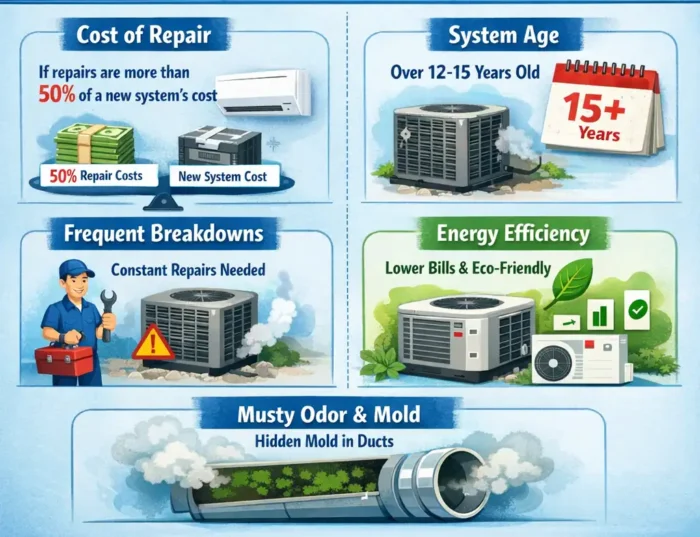
Signs You Need HVAC Replacement Instead of Repair
Sometimes repairing an older system stops making financial sense.
System Is More Than 10–15 Years Old
Older systems often lose efficiency and require more repairs.
Frequent Repairs Are Adding Up
Repeated repair visits can quickly exceed the value of the unit.
Rising Energy Bills
A failing HVAC system usually works harder to maintain temperature.
Uneven Cooling or Heating
Hot and cold spots may indicate airflow or equipment problems.
Strange Noises or Burning Smells
Unusual sounds or odors often signal major internal wear.
System Uses Old Refrigerant
Older refrigerants are becoming harder and more expensive to service.
When Replacing Your HVAC System Is Smarter Than Repairing It
The 50% Rule Explained
A common HVAC rule says if repair costs exceed 50% of replacement cost, replacement is often the smarter investment.
Repair vs Replacement Cost Comparison
A repair may temporarily fix the issue, but an aging system can continue causing problems.
Long-Term Energy Savings
New systems operate far more efficiently than older units installed 15–20 years ago.
Better Comfort and Reliability
Modern HVAC systems maintain more consistent indoor temperatures and quieter performance.
How to Save Money on a New HVAC Unit
Replacing a system is expensive, but several strategies can help reduce the overall replacing hvac system cost.
Replace During the Off-Season
Spring and fall are often less busy for HVAC companies, which may improve scheduling and pricing availability.
Compare Multiple HVAC Quotes
Always compare detailed estimates before making a final decision.
Use Rebates and Federal Tax Credits
High-efficiency systems may qualify for energy incentives.
Choose High-Efficiency HVAC Systems
Efficient equipment can lower monthly utility costs long-term.
Consider Financing Options
Many homeowners use financing to spread costs over manageable monthly payments.
If you are planning future upgrades, professional services like AC Installation Temecula & Murrieta can help homeowners choose systems that fit both comfort needs and budget goals.
What Is the Best Time to Replace Your HVAC System?
Why Off-Season Works in Your Favor
Replacing a system before peak summer or winter demand can reduce emergency stress and scheduling delays.
Spring vs Fall HVAC Replacement
Both seasons allow contractors more time for careful installation work.
Emergency vs Planned Replacement
Emergency replacements often limit your ability to compare systems and pricing options.
You may also read: Why Does My AC Smell Musty?
How Often Should You Replace Your HVAC System?
Most HVAC systems last between 10 and 20 years depending on maintenance and usage.
Furnace Lifespan
Usually 15–20 years
Air Conditioner Lifespan
Usually 10–15 years
Heat Pump Lifespan
Usually 10–15 years with proper maintenance
Regular inspections and filter changes help extend equipment life.
Do You Really Need Full HVAC Replacement?
Not every comfort problem requires complete replacement.
When a Filter Replacement Is Enough
Dirty air filters can reduce airflow and increase strain on the system.
Thermostat Problems vs HVAC Failure
Sometimes thermostat calibration issues mimic major HVAC problems.
Minor Repairs That Can Extend System Life
Capacitor replacements, refrigerant adjustments, and maintenance can sometimes restore performance temporarily.
At Hutchinson Heating and Air, technicians often inspect the full system first before recommending major replacement work. Honest evaluations help homeowners avoid unnecessary expenses.
What to Look for When Buying a New HVAC Unit
Choosing the right system matters just as much as installation quality.
Proper HVAC Sizing
An accurate load calculation prevents comfort and efficiency problems.
Warranty Coverage
Longer warranties provide better long-term protection.
Noise Levels
Modern systems operate much quieter than older units.
Smart HVAC Features
Smart thermostats improve convenience and energy control.
Best HVAC Brands in 2026
Top-performing brands focus on reliability, efficiency, and strong warranty support.
HVAC Replacement Services in Murrieta and Temecula
Homeowners in Southern California often deal with heavy summer cooling demand. Local climate conditions make system efficiency especially important.
HVAC Replacement Cost in Murrieta CA
Pricing depends on:
- Home size
- Existing ductwork
- System efficiency
- Installation complexity
HVAC Replacement Cost in Temecula CA
Energy-efficient systems are increasingly popular because of rising utility costs.
Professional AC Installation Temecula & Murrieta services can help homeowners choose properly sized systems designed for local climate conditions.
Why Homeowners Choose Hutchinson Heating and Air
Homeowners often value:
- Honest pricing
- Experienced technicians
- Fast scheduling
- Energy-efficient recommendations
- Professional installation practices
Final Thoughts
Understanding How Much Does It Cost to Replace HVAC System equipment helps homeowners plan smarter long-term investments instead of waiting for emergency breakdowns. While the total hvac replacement cost can feel expensive upfront, modern systems provide better comfort, lower energy bills, improved reliability, and stronger indoor air quality over time.
If your current system struggles to keep up or repair costs continue rising, it may be time to explore replacement options with a trusted local professional. Contact Hutchinson Heating and Air today to schedule a full system evaluation and learn which HVAC solution fits your home, comfort needs, and budget best.
Frequently Asked Questions
How much does it cost to replace a full HVAC system?
Most full residential HVAC replacements cost between $7,000 and $16,000 depending on system size, efficiency, and installation complexity. Larger homes and premium systems may cost more.
Does homeowners insurance cover HVAC replacement?
Insurance usually only covers HVAC replacement if damage comes from a covered event like fire, storms, or vandalism. Normal wear and aging are generally not covered.
How long does HVAC installation take?
Most residential installations take one to three days depending on ductwork modifications and system complexity.
Can I replace only the AC or furnace?
Yes, but replacing matched systems together often improves efficiency and overall performance. Older mismatched systems may reduce long-term reliability.
Do new HVAC systems lower energy bills?
Modern high-efficiency systems often use less electricity and gas compared to older units, helping reduce monthly utility costs.