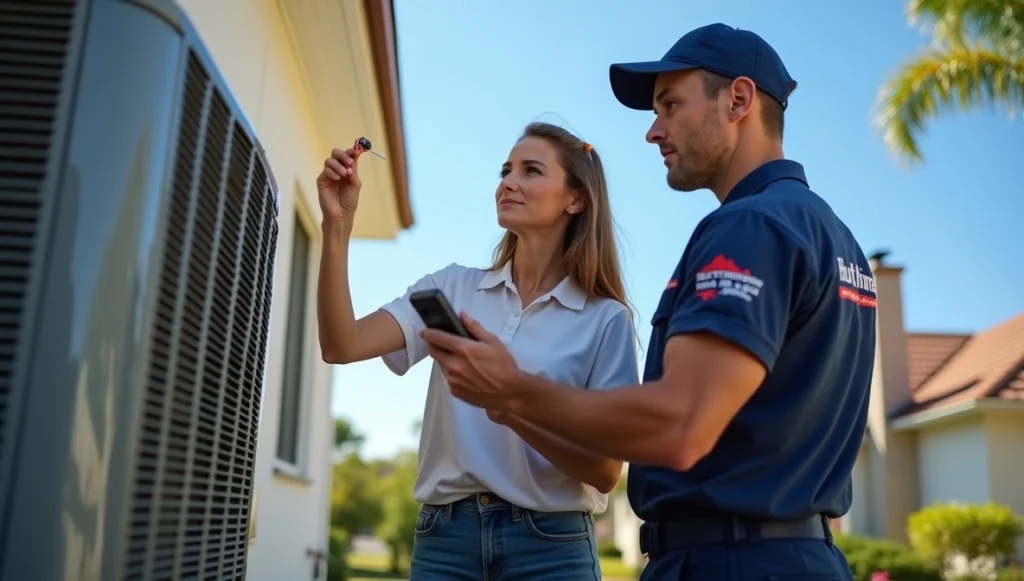
When your cooling system suddenly stops working during summer, many homeowners assume the entire AC system has failed. In reality, minor electrical problems, thermostat glitches, or temporary system lockouts can often be fixed when you learn how to reset AC unit systems properly.
At Hutchinson Heating and Air, we help homeowners in Murrieta and Temecula troubleshoot common cooling issues safely. Understanding how to reset air conditioner systems and how do you reset an air conditioning unit can restore cooling after power outages or thermostat problems. However, some HVAC issues require professional AC repair to prevent larger system damage.
What Does Resetting an AC Unit Actually Do?
Many homeowners assume an AC reset somehow “repairs” the unit. In reality, resetting simply reboots the electrical and control systems inside your HVAC equipment.
Modern air conditioners rely on sensors, circuit boards, capacitors, thermostats, and safety switches. After a power outage, voltage fluctuation, overheating issue, or communication error, the system may lock itself for protection. Resetting clears those temporary faults and allows the unit to restart normally.
How an AC Reset Works
When you reset air conditioner equipment, the system powers down completely for several minutes before restarting. This process helps:
- Clear electronic communication errors
- Restart thermostat signals
- Reset safety switches
- Restore normal startup sequences
- Reconnect smart thermostat communication
This is similar to rebooting a computer after it freezes.
Problems a Reset Can Fix
Resetting your AC may solve:
- Thermostat display issues
- Minor power interruption problems
- Temporary sensor malfunctions
- AC not turning on after outage
- Short cycling caused by system lockouts
However, a reset will not fix mechanical failures, refrigerant leaks, or damaged components.
Situations Where Resetting Will NOT Help
Learning how to reset AC unit systems is useful, but resetting repeatedly without diagnosing the real issue can make problems worse.
A reset usually will not solve:
- Compressor failure
- Refrigerant leaks
- Frozen evaporator coils
- Burned electrical wiring
- Capacitor damage
- Major airflow restrictions
If your system constantly needs resetting, there is usually a deeper HVAC problem.
Signs Your AC Unit Needs a Reset
Sometimes the signs are obvious. Other times, homeowners overlook symptoms that point toward a simple reset issue.
AC Not Turning On
One of the most common signs is when the thermostat appears normal but the AC unit does nothing. This often happens after storms or electrical interruptions.
AC Blowing Warm Air
If the fan runs but cooling suddenly stops, the control board or thermostat communication may need rebooting.
Outdoor Condenser Not Running
The indoor unit may operate while the outdoor condenser remains silent. This can happen when safety switches trip after overheating.
Thermostat Screen Is Blank
A blank thermostat screen often points to power supply interruptions or breaker issues.
AC Keeps Turning Off and On
Frequent cycling may indicate electrical instability or sensor problems.
System Stopped Working After Storm or Power Outage
Power surges commonly trigger HVAC safety lockouts. In these cases, homeowners often ask how do you reset an air conditioning unit after losing power.
Safety Steps Before Resetting an AC Uni
Safety always comes first when working around electrical HVAC equipment.
Turn Off the Thermostat
Before touching the system, switch the thermostat to the OFF position. This prevents the unit from restarting unexpectedly.
Disconnect Power Properly
Turn off the AC breaker at your electrical panel. Some systems also have an exterior disconnect box near the outdoor condenser.
Avoid Wet or Damaged Electrical Areas
Never reset an AC unit if:
- Water is near electrical components
- Wiring looks burned
- You smell smoke or melting plastic
- The breaker panel feels hot
When to Stop and Call an HVAC Professional
If you notice sparking, repeated breaker trips, or strong burning odors, do not attempt further resets. Contact a professional HVAC company immediately.
For homeowners searching for reliable AC Repair Murrieta and Temecula services, professional diagnostics can prevent expensive system damage.
Where Is the Reset Button on an AC Unit?
The reset button location depends on the type of air conditioner you own.
Reset Button Location on Central AC Systems
Many central air conditioners have a small reset button near:
- The outdoor condenser unit
- The compressor housing
- The access panel
It is usually red and clearly labeled.
Reset Button on Window AC Units
Window units often place the reset button directly on the power cord plug for safety protection.
Resetting Portable Air Conditioners
Portable AC systems may have:
- Internal reset buttons
- Electronic control panel resets
- Power cord safety resets
What If Your AC Has No Reset Button?
Not every system includes a dedicated reset button on air conditioner unit models. In these situations, resetting through the breaker is the standard process.
How to Reset AC Unit Step by Step
If your system shows minor issues, follow these safe reset instructions carefully.
Step 1: Turn Off the AC System
Set the thermostat to OFF completely.
Step 2: Shut Off the Breaker
Locate the AC breaker inside your electrical panel and switch it OFF.
Step 3: Wait 5 to 10 Minutes
This waiting period allows internal electrical components to discharge completely.
Step 4: Press the Reset Button
If your unit includes a reset button on air conditioner unit controls, press and hold it for about 3 to 5 seconds.
Step 5: Restore Power
Turn the breaker back ON carefully.
Step 6: Restart the Thermostat
Set the thermostat to COOL mode and lower the temperature.
Step 7: Test Airflow and Cooling
Allow the system several minutes to restart fully. Check whether cool air begins flowing normally.
This is the most common process homeowners follow when learning how to reset air conditioner systems safely.
How to Reset Different Types of AC Units

Not all air conditioners reset the same way.
How to Reset a Central Air Conditioner
Central systems usually require:
- Thermostat shutdown
- Breaker reset
- Outdoor disconnect reset
- Compressor restart delay
How to Reset a Split AC System
Mini-split systems often reset through:
- Remote control commands
- Power cycling
- Indoor unit restart settings
How to Reset a Window AC Unit
Most window units reset through:
- Power cord GFCI reset buttons
- Unplugging for several minutes
- Manual control panel restart
How to Reset a Portable Air Conditioner
Portable units usually require:
- Full power disconnect
- Drainage check
- Filter cleaning
- Control panel reset
How to Reset a Smart or Wi-Fi Connected AC
Smart HVAC systems may need:
- Wi-Fi reconnection
- App synchronization
- Thermostat rebooting
- Router restart
How to Reset AC Unit After Power Outage
Power outages are one of the biggest reasons homeowners need HVAC resets.
Why Power Surges Affect HVAC Systems
Voltage fluctuations can trigger protective shutdowns inside compressors and control boards.
Safe Restart Process
After power returns:
- Wait several minutes
- Reset the breaker
- Restart the thermostat
- Allow gradual startup
Signs of Electrical Damage After Outage
Call an HVAC technician if you notice:
- Burning smells
- Buzzing sounds
- Breaker trips
- Outdoor unit failure
- Flickering thermostat display
How to Reset Thermostat Connected to AC
Sometimes the problem is not the AC itself but the thermostat.
Resetting Digital Thermostats
Basic digital thermostats often reset by:
- Removing batteries
- Holding reset buttons
- Cycling power
Resetting Smart Thermostats
Smart thermostats may require:
- Factory reset settings
- Wi-Fi reconnection
- Firmware updates
Thermostat Battery Problems
Weak batteries can interrupt communication between the thermostat and HVAC system.
Thermostat Settings to Check
Always confirm:
- COOL mode is active
- Fan setting is correct
- Temperature is lower than room temperature
How to Reset AC Compressor
The compressor is the heart of your cooling system.
What an AC Compressor Does
The compressor circulates refrigerant and supports the entire cooling cycle.
Signs the Compressor Needs Resetting
Possible symptoms include:
- Loud humming
- Warm airflow
- Outdoor fan running without cooling
- Delayed startup
Compressor Reset Process
Most compressors reset through:
- Breaker shutdown
- Waiting period
- Controlled restart
When Compressor Problems Need Professional Repair
Repeated compressor shutdowns often indicate serious electrical or refrigerant problems.
Why Your AC Still Is Not Working After Reset
If resetting fails, deeper issues may exist.
Dirty Air Filter Restricting Airflow
Clogged filters can freeze coils and reduce cooling performance.
Frozen Evaporator Coil
Ice buildup blocks airflow and prevents normal cooling.
Low Refrigerant Levels
Low refrigerant pressures affect compressor operation and cooling ability.
Capacitor Failure
Bad capacitors commonly prevent outdoor units from starting properly.
Tripped Breaker Problems
Repeated breaker trips often point toward electrical overloads.
Damaged Compressor
A failed compressor may require replacement.
Faulty Thermostat
Thermostat calibration or communication failures can stop cooling completely.
If your system still fails after you reset air conditioner controls, professional inspection is the safest next step.
Common Mistakes Homeowners Make When Resetting AC
Resetting the System Too Many Times
Constant resetting can damage compressors and electrical parts.
Ignoring Burning Smells
Burning odors often indicate dangerous electrical failures.
Restarting the Breaker Too Quickly
HVAC systems need several minutes before restarting safely.
Skipping Basic AC Maintenance
Dirty coils and filters create many avoidable cooling problems.
Using Incorrect Thermostat Settings
Wrong thermostat modes often cause unnecessary troubleshooting.
When You Should NOT Reset Your AC Unit
There are situations where resetting becomes unsafe.
Repeated Breaker Trips
This often indicates electrical shorts or compressor overloads.
Water Leaks Around the Indoor Unit
Water near electrical components increases shock risks.
Ice on Refrigerant Lines
Frozen lines usually signal airflow or refrigerant problems.
Loud Buzzing or Clicking Sounds
Electrical contactors or compressors may be failing.
Burning Electrical Odors
Turn the system off immediately and call an HVAC technician.
How to Prevent AC Reset Problems in the Future
Preventive maintenance reduces emergency breakdowns.
Replace HVAC Air Filters Regularly
Dirty filters reduce airflow and strain the system.
Keep Outdoor Unit Clean
Remove leaves, dirt, and debris around the condenser.
Schedule Professional AC Maintenance
Routine inspections catch small problems early.
At Hutchinson Heating and Air, regular maintenance visits help homeowners avoid many common reset-related AC failures.
Install Surge Protection
Power surge protection can protect expensive HVAC electronics.
Monitor Thermostat Performance
Old thermostats sometimes create communication problems with modern systems.
When to Call an HVAC Technician
Some issues should never be handled through repeated resets.
AC Still Not Cooling After Reset
This usually points toward refrigerant, compressor, or airflow problems.
Electrical Issues Inside the Unit
Electrical repairs should always be handled professionally.
Refrigerant or Compressor Problems
Specialized HVAC tools and certifications are required.
Emergency AC Repair Situations
Call for emergency service if:
- The breaker sparks
- Burning smells appear
- The compressor overheats
- The system repeatedly shuts down
Professional AC Repair in Murrieta and Temecula
Homeowners looking for dependable AC Repair Murrieta and Temecula services should schedule professional diagnostics when resets no longer solve the issue.
Conclusion
Knowing how to reset AC unit systems properly can help homeowners solve many temporary cooling issues safely. Minor thermostat errors, power interruptions, and electrical lockouts often respond well to a careful reset process. However, repeated shutdowns, strange noises, burning smells, or poor cooling usually point toward larger HVAC problems that require professional attention.
If your system still struggles after you reset air conditioner controls, do not ignore the warning signs. Contact Hutchinson Heating and Air for trusted AC inspection, maintenance, and repair services in Murrieta and Temecula. A professional diagnosis can protect your comfort, improve system performance, and prevent expensive breakdowns later.
Frequently Asked Questions
How Long Does It Take for an AC Unit to Reset?
Most air conditioners need about 5 to 10 minutes before restarting properly. Some systems delay startup automatically to protect the compressor.
Can Resetting AC Fix Cooling Problems?
Resetting may solve temporary electrical or thermostat issues. However, it will not repair refrigerant leaks, damaged compressors, or severe airflow restrictions.
Is It Safe to Reset an AC Breaker?
Yes, but only if there are no signs of electrical damage, smoke, or burning smells. Repeated breaker trips should always be inspected professionally.
Why Does My AC Keep Needing a Reset?
Frequent resets often indicate deeper HVAC problems such as electrical faults, thermostat issues, dirty coils, or failing components.
Can I Reset My AC Myself?
Most homeowners can safely learn how to reset AC unit systems using the thermostat and breaker process. Still, electrical or refrigerant issues should be handled by licensed HVAC technicians.