Air conditioning is more than just a cooling system. Most people hear “air conditioning” and immediately think cold air — that’s it. But there’s actually a lot more going on behind the scenes.
One question that comes up all the time is — does air conditioning reduce humidity? The short answer is yes, it does. When your AC runs, it’s not just dropping the temperature. It’s actively pulling moisture out of the air at the same time, which makes a room feel less sticky and a lot more comfortable overall.
A lot of things play into how well your AC actually handles humidity though. The size of the unit, the type of system you have, even how well it’s been maintained — all of that affects how much moisture it can pull out. Throughout this post, I’ll get into all of that, share what I’ve personally seen work and what doesn’t, and give you some practical tips to get the most out of your AC when it comes to keeping humidity under control.
Understanding Humidity and Its Impact on Indoor Environments
What is Humidity?
Humidity is just water vapor floating around in the air. Simple as that. Relative humidity tells you how much moisture is actually in the air compared to how much it could hold at that temperature. For a home, you want that number somewhere between 30% and 50%. Go above it and you’ll feel it pretty quickly. Drop below it and everything just feels dry and irritating.
It’s not only about comfort though. Too much humidity and you’ve got mold growing, furniture getting damaged, and breathing becoming genuinely harder than it should be.
Effects of High Humidity Indoors
When humidity goes up inside, the air starts feeling warmer than it really is. Your AC then has to push harder just to keep things feeling halfway decent. But feeling hot and sticky is honestly the smallest problem here. Things get worse from there:
Mold and Mildew — Mold loves a humid room. It spreads quickly, wrecks your walls and furniture, and becomes a real headache for anyone with breathing problems already.
Health Problems — Dust mites and mold both do really well in damp air. Anyone in your home dealing with asthma or allergies is going to feel it pretty badly when indoor humidity gets out of hand.
Damage to Property — Wood warps. Wallpaper bubbles and peels. Metal starts rusting. And fixing all that? Not cheap at all.
At the end of the day, keeping humidity under control isn’t something you do just to feel comfortable. It’s something you do to protect your home and the people living in it.
Read Mor: How Does an Oversized ac Unit Fail to Dehumidify?
How Air Conditioning Affects Indoor Humidity

Air Conditioning as a Dehumidifier
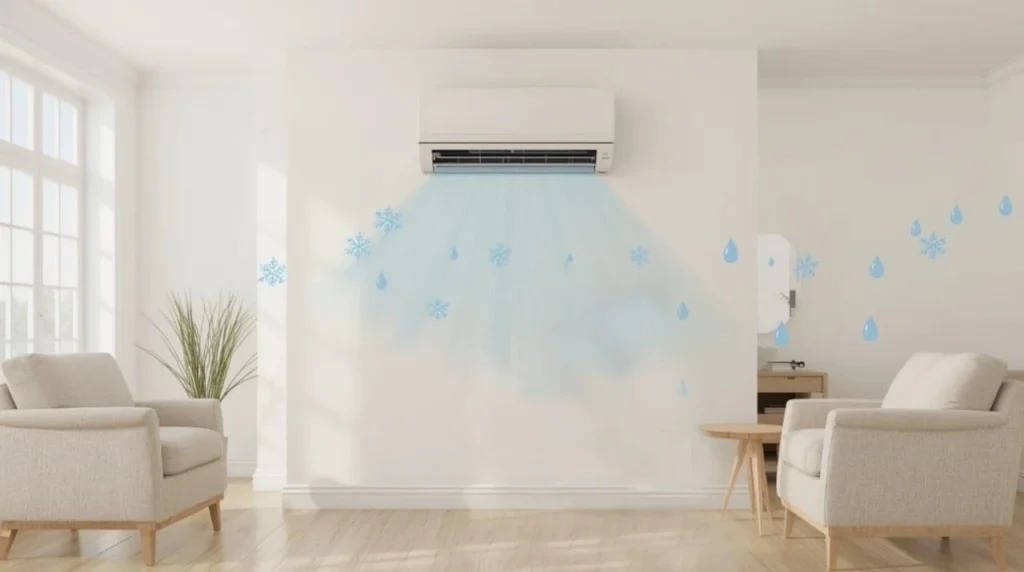
So here’s the thing — your AC wasn’t actually built to be a dehumidifier. Its main job is cooling. But while it’s doing that, it’s also pulling moisture out of the air without you even thinking about it. Warm, humid air gets pulled across the evaporator coils, cools down, and the moisture just condenses right there on those coils. That water drains away and what comes back into your room is cooler and drier air.
So do air conditioners lower humidity? Yeah, they do — it just happens naturally as part of the cooling process.
If you’ve ever lived somewhere humid, you know exactly what I’m talking about. That heavy, sticky, suffocating feeling on a hot summer day. You switch the AC on and after a little while that feeling just kind of melts away. That’s not only the temperature dropping — the moisture is actually leaving the air too.
Aircon and Humidity Control
Now, not every AC handles this equally well. For humidity control, air conditioner type really does make a difference. Central air systems are generally way better at keeping larger spaces dry and comfortable. Window units and portables? Fine for one room, but don’t ask them to do more than that.
Sizing is another thing people get wrong. Too small and the unit just can’t keep up on a really humid day — you’ll still feel that stuffy, heavy air even with it running. And when that happens, a dehumidifier or just improving the airflow in your home usually helps close that gap.
Does Air Conditioning Dry the Air?
A lot of people worry about this. And look, AC does pull moisture out — but a decent, well-maintained unit shouldn’t leave your home feeling like a desert. When the air does feel uncomfortably dry, it’s usually an older unit that hasn’t been serviced in a while causing it. Sometimes it’s just the way air circulates through your particular home. Either way, tweaking your settings or running a small humidifier alongside your AC usually fixes it without much hassle.
Air Conditioning vs. Humidifiers: Which is More Effective in Managing Humidity?

Comparing Air Conditioners to Humidifiers
Even though air conditioners and humidifiers may seem similar, their function is different. Air conditioners cool and eliminate moisture from the air to reduce humidity. Humidifiers add moisture to the air, which is helpful to control dryness. You will first want to utilize air conditioning and humidity control within a building, if you are concerned with reducing too much moisture.
Otherwise, humidifiers can be useful for dry indoor air, especially in the winter season, to allow for additional water content to your comfort, but this would generally not be done in a more humid region. Air conditioning is better suited for controlling high humidity while the air conditioner helps keep the interior of your home warm.
Factors That Affect Air Conditioning’s Ability to Remove Humidity
Air Conditioner Type and Efficiency
The type of air conditioner you have is very important in terms of how it handles humidity. For example, central air conditioners tend to be better at removing humidity in larger areas. Window units and portable air conditioners are great for cooling a single room, but they may not be very effective in larger areas.
From what I have seen, size matters. If the size unit is too small, it may struggle with the humidity load on very hot and humid days. If the unit is too big, it may remove the humidity but cool the space down too much too quickly.
Room Size and Airflow
One more important factor that will impact how well an air conditioner controls humidity is how much airflow goes through the machine. An air-conditioned space in a small room with good airflow will probably produce more cooling benefit than a large room that does not allow airflow. If you struggle with high humidity in a larger room, consider incorporating a fan that can circulate the air more effectively. It will help the air conditioning unit do its job.
External Weather Conditions
Another factor in how well an air conditioning machine can dry the air is how humid the air is outside. If the outside is humid, the AC unit is going to work harder to maintain warm air inside. In climates where outside air is very wet, air conditioning and humidity control are crucial.
Common Issues with ACs and Humidity Control
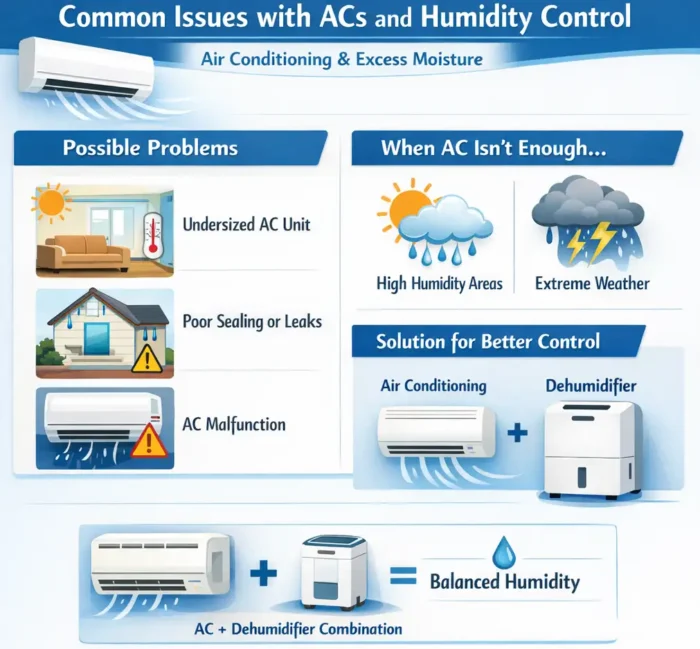
Air Conditioning and Excess Moisture
If your home feels warm even with the air conditioning running, it may be a problem with the AC unit. The unit is not big enough for the space or it may not be functioning properly, leaving moisture issues even with air conditioning. Your home may also have poor sealing or water leaks into the home. Regular service and maintenance to your air conditioner is important in case there is a mechanical issue.
Why Air Conditioning may not be Enough
In some areas, and/or when outside weather is severe, air conditioning alone may not adequately combat indoor humidity levels. If you live in an area prone to high humidity, you may need additional measures such as a dehumidifier to support your air conditioning for moisture control. Putting air conditioning and a dehumidifier in combination can also help increase your ability to manage humidity in your home.
Tips for Maximizing Humidity Control with Air Conditioning
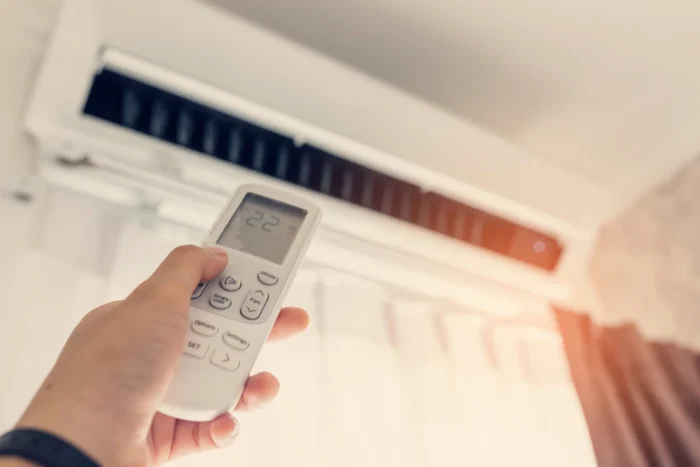
Increasing the Efficiency of Your AC Settings for Improved Humidity Control
To have your air conditioner work at full capacity, you want to ensure that it is performing well in humidity removal. Many newer air conditioners come equipped with a dehumidification mode, which helps you remove humidity from your space without causing coolness. Setting your thermostat at a higher temperature also helps prevent the air from being overly dry, which helps maintain a cozy home all year.
Regular Maintenance and Filter Changes
It’s important to keep your AC unit in good shape so that it can remove damp effectively. Cleaning or changing your filters on a regular basis will help the air flow and make it less likely that your AC won’t work right. This is something I always tell my clients who want to get the most out of their air conditioners.
Using AC in addition to other methods
Sometimes, the air conditioning doesn’t provide enough cooling to maintain humidity levels. Adding a dehumidifier makes a substantial difference, especially in damp settings. When both of these are working together, you will have a healthy and warm home.

Can Air Conditioning Alone Maintain Ideal Humidity Levels?
Limitations of Air Conditioning
Heating and cooling systems have the potential to reduce humidity, but that is not always sufficient to achieve humidity control. In areas with consistently high humidity outside, a dehumidifier may be required in addition to an air conditioner to maintain a warm environment. It is essential to understand the limits of your system and implement measures to manage the climate in a space.
Alternate Methods for Controlling Humidity
If air conditioning becomes insufficient in managing humidity, consider adding additional types of control. Dehumidifiers are an excellent option, and they can be used in addition to air conditioning to remove moisture. Increasing ventilation in the home can also help remove moisture and improve air movement.
Conclusion
In conclusion, air conditioning does a lot more than just cool the space; it also helps control the temperature and makes the space more comfortable. Whether you have a fixed air conditioner, a window unit, or a portable unit, being able to lower the humidity in the air makes it healthier and more pleasant inside. With regular upkeep, the right settings, and the odd use of a dehumidifier, you can keep your home comfortable and free of too much humidity.
Expert AC Services for Ultimate Comfort
Ensure your air conditioning system stays efficient. Schedule your AC maintenance today!
FAQS related to AC Reduce Humidity
Can Air Conditioning Help Reduce Indoor Humidity?
Yes, air conditioners do help reduce indoor humidity. They remove moisture from the air as they cool, making the environment more comfortable.
Why Does My Home Still Feel Humid Even With the AC Running?
If your AC is running constantly and humidity remains high, it might be undersized for your space or need maintenance. Checking the unit’s capacity and servicing it can help improve performance.
Should I Use a Dehumidifier Alongside My Air Conditioner?
Using a dehumidifier with your AC can enhance humidity control, especially in very humid climates. It helps maintain a comfortable indoor environment.
Does Air Conditioning Dry Out the Air Too Much?
Air conditioners can make indoor air feel dry but they typically maintain a balance. If the air feels too dry, consider using a humidifier to add moisture.
How Can I Maintain Ideal Humidity Levels in My Home?
To keep humidity levels between 30-50%, use your AC efficiently, seal any gaps in windows and doors and consider using a dehumidifier or humidifier as needed.